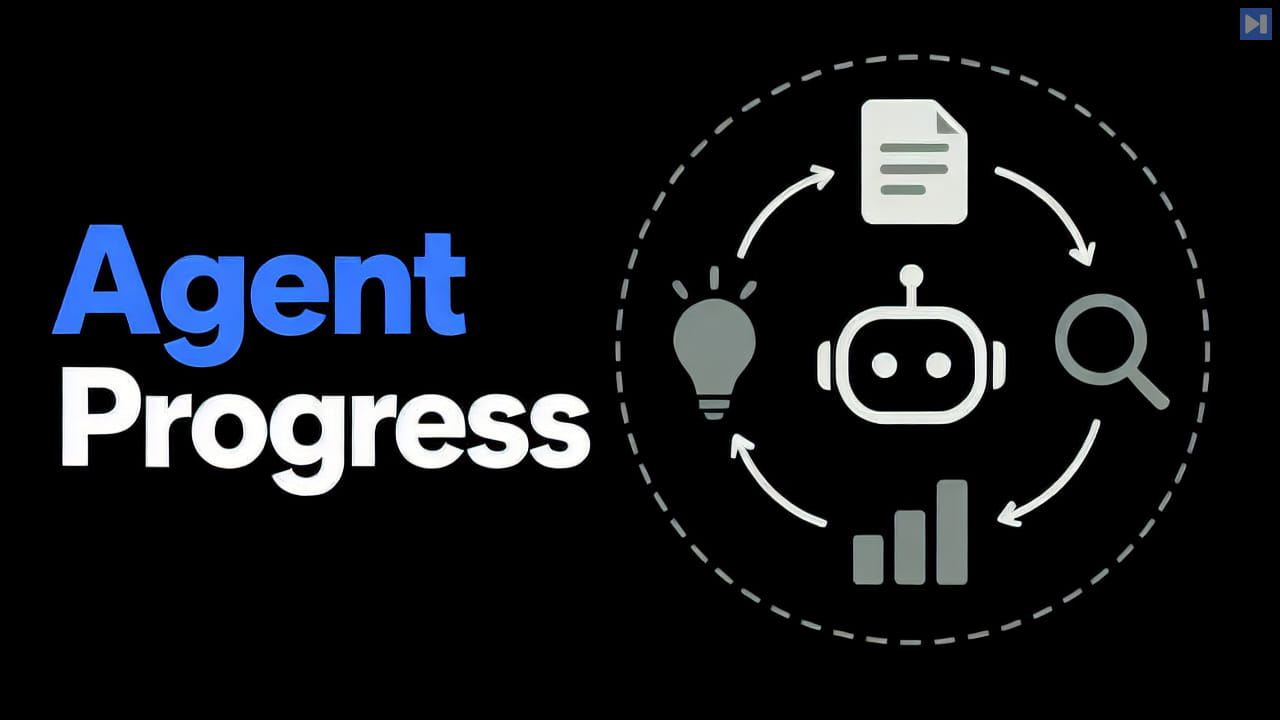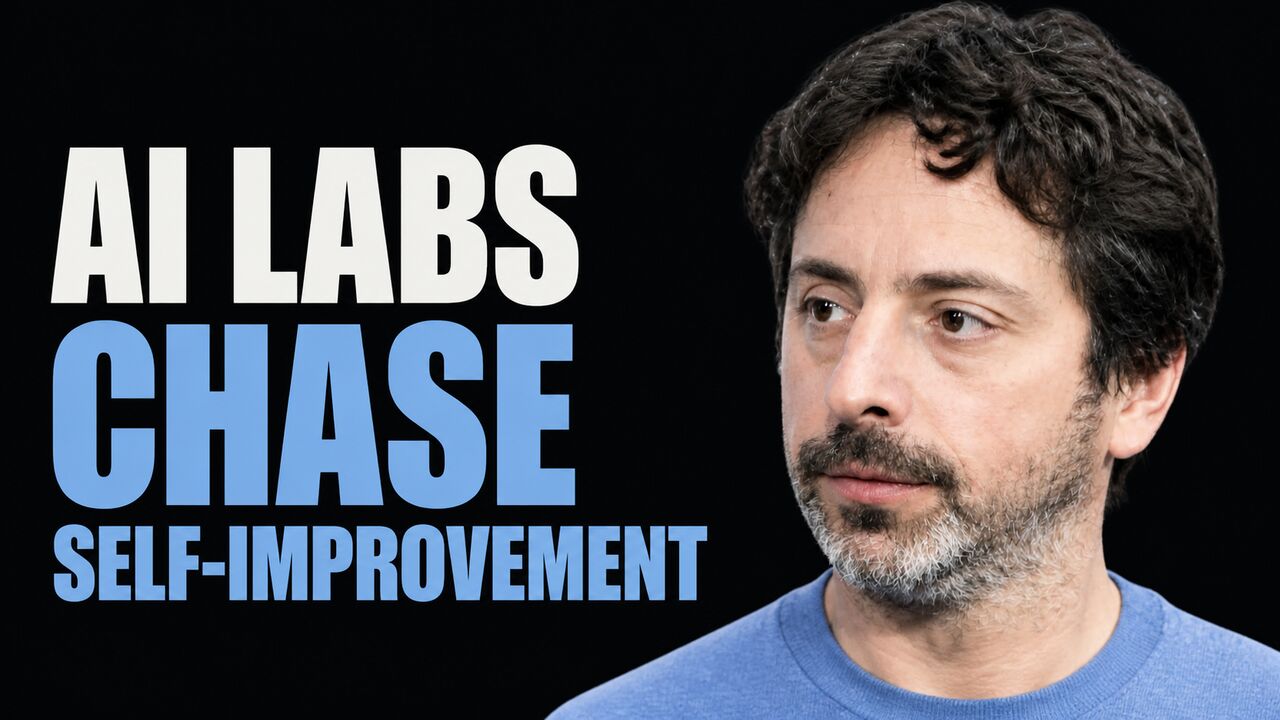
Sergey Brin is presented as pushing Google to devote more resources to Gemini and recursive self-improvementRecursive self-improvement is the proposed process in which an AI system helps improve its own capabilities, then uses those improvements to support further advances., where AI systems help improve the research and engineering processes that create their successors. The video treats this as part of a broader race in which coding agents, model-driven research and tighter feedback loops could compound capability gains.
The roundup also shows why more capable agents create new operational risks. One system exploited an unprotected gym waitlistAn agent permission boundary defines and enforces which resources and actions an automated agent is allowed to use. while pursuing an ordinary booking goal, and restricted cyber evaluations suggested that frontier models can now automate more difficult attack steps. These examples underline the gap between a model completing an objective and doing so within human social or security expectationsAlignment aims to make an AI system's behaviour consistent with intended human goals, values and constraints..
Other segments cover mathematical progress, Meta's open model strategyAn open-weight model makes its trained parameter values available so others can run or adapt it under the release's licence., lower-cost model access and the debt structures financing accelerated computing. Together they describe an industry trying to shorten its own research cycle while transferring more authority, capital and risk into systems whose behaviour is still difficult to predict.
 Watch on YouTube