David Ondrej walks through the interfaces he uses to manage coding agents, including tools that place multiple subscriptions and harnesses in one workspace. His priority is visible agent state, fast switching and a clear queue for deciding which completed or blocked task needs attention first.
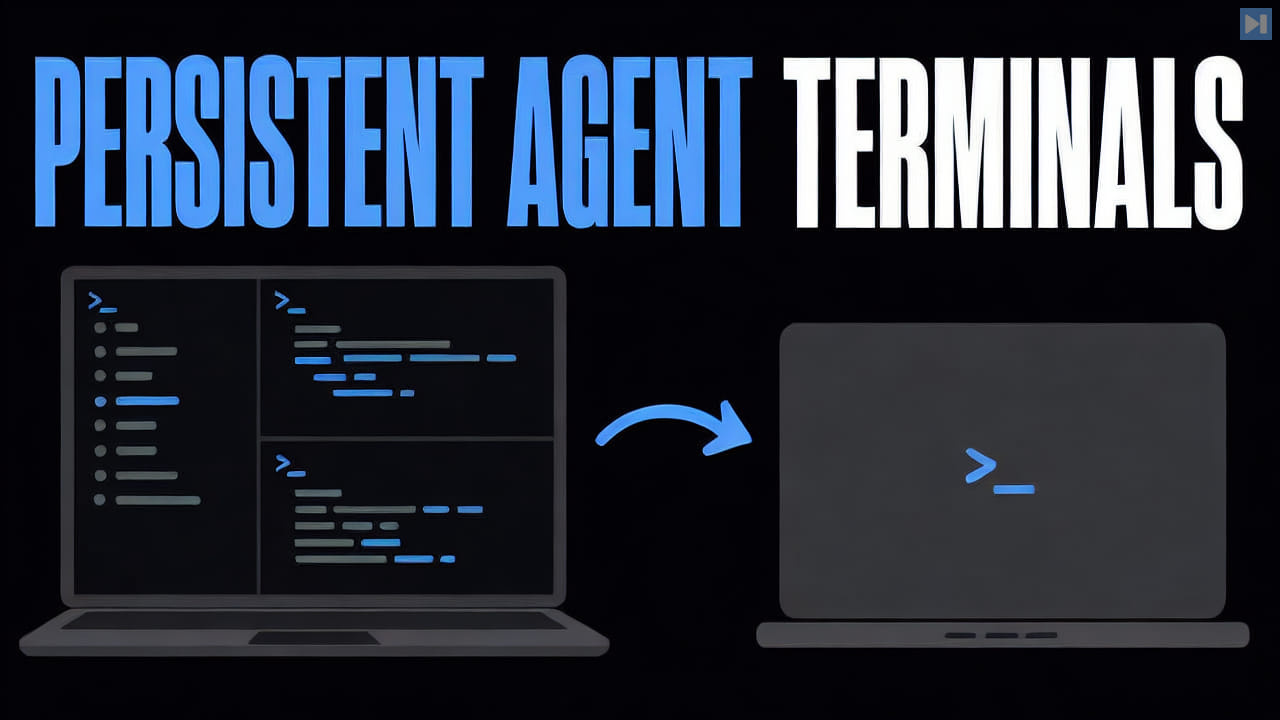
He compares local and cloud execution and argues that persistent remote workers become useful once several agents compete for a laptop's resources. His setup uses a private server, terminal sessions and a lightweight agent manager so sessions can survive disconnects without locking the workflow to one vendor.
The model layer is intentionally mixed. Ondrej allocates subscriptions according to budget and task strengths, then chooses simple coding harnesses for focused implementation and self-improving harnesses for exploratory work where accumulating skills and procedures can pay off.
The larger lesson is to invest in repeatable context, skills, verification and orchestration instead of treating one agent chat as the whole workflow. A paid server promotion and subscription calls to action are excluded from this editorial summary.
 Watch on YouTube