Stephen Hsu
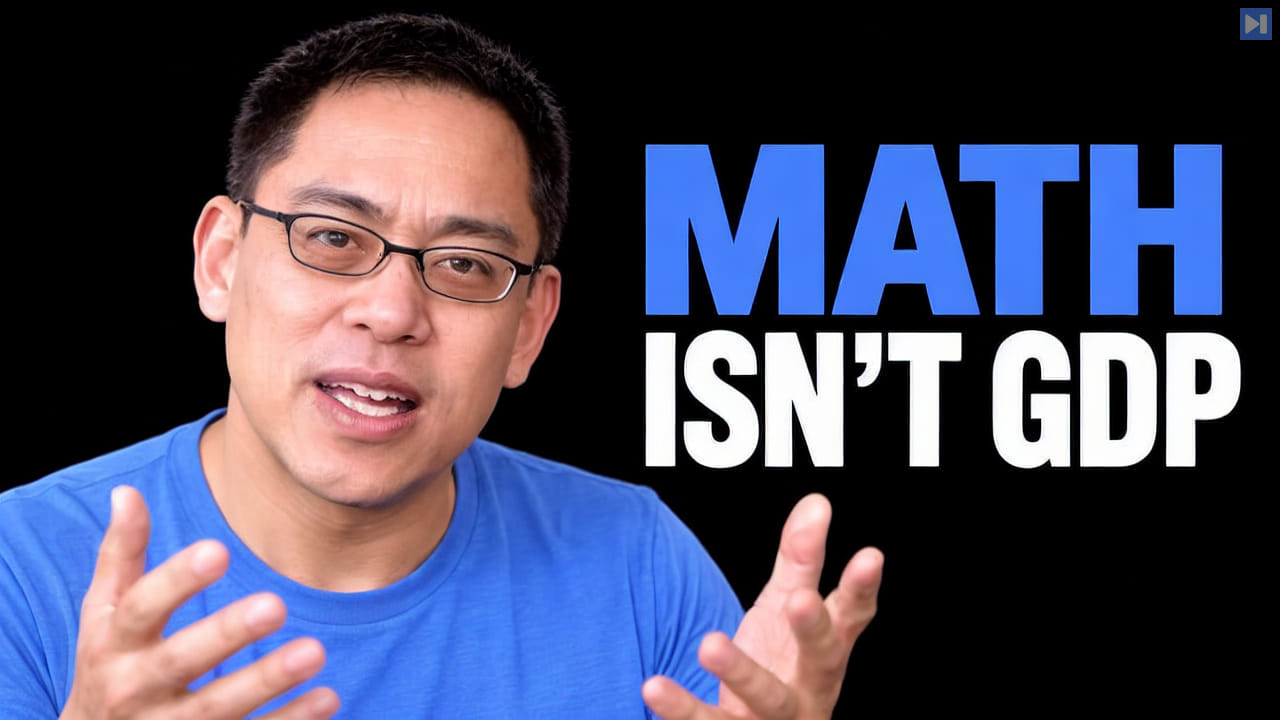
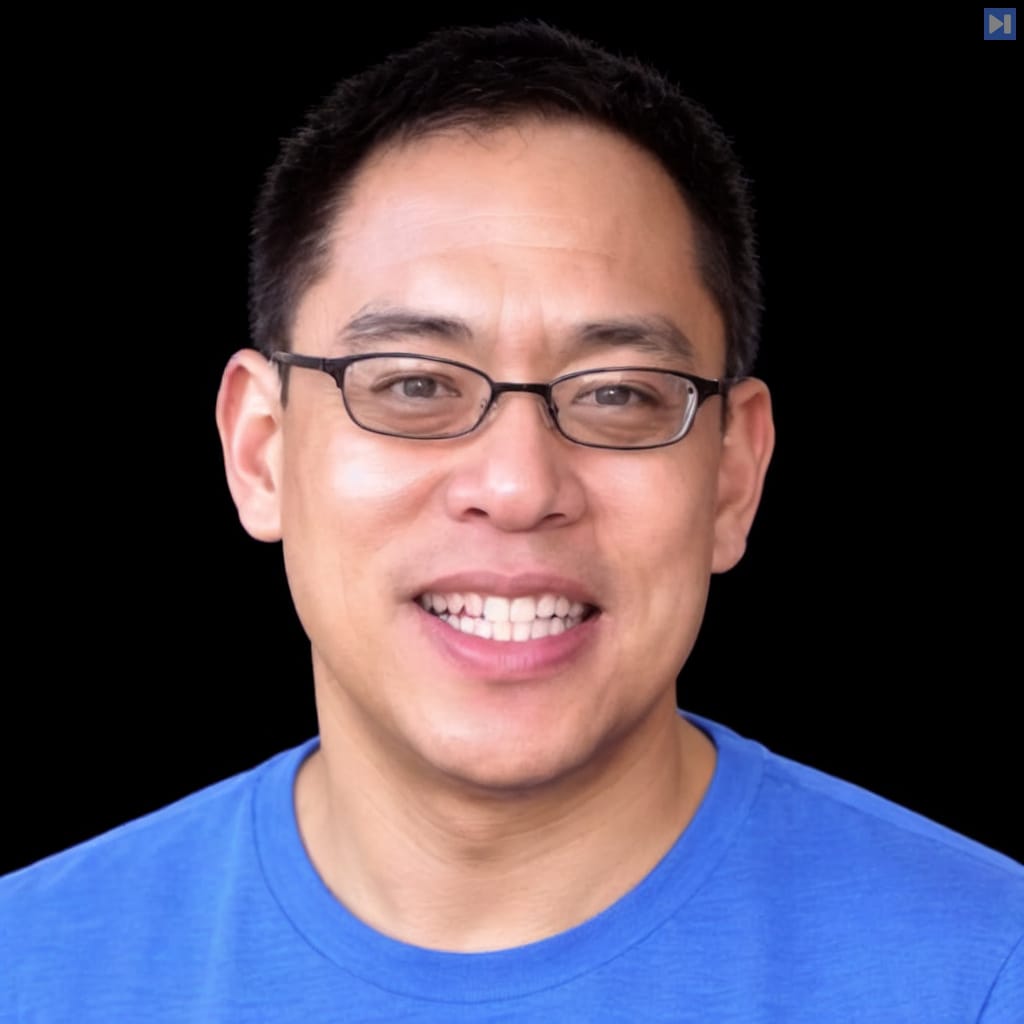
Stephen Hsu is a theoretical physicist and professor at Michigan State University who works across physics, computation and genetics. He hosts the Manifold podcast and discusses advanced AI, mathematical reasoning, economic effects and human control in this interview.
- Videos
- 1
- Channels
- 1
- Topics
- 4
0 comments · 0 votes
Video topic coverage
Based on 1 reviewed video for Stephen Hsu; compared with all 1320 public reviewed videos. Catalogue coverage, not expertise or speaking time.
Unmapped topics: 0 for this person; 1 in all videos. Scores cover mapped topics only.
- Stephen Hsu (1 video; normalised to 100%)
- All videos (1320; normalised to 90%)
Blue coverage envelope joins covered points. Zero scores remain at the centre and in the values; crossings over other axes do not indicate coverage. Both plots retain the same ten axes. The blue person plot is proportionally normalised to a 100% maximum and the white baseline to 90%. Each plot uses its own scale, showing relative topic emphasis; the values below show actual coverage.
- Agents & workflows0%56.3%
- Coding & tools0%40%
- Models & learning100%46.6%
- Infrastructure & compute0%24.7%
- Research & evaluation40%42.8%
- Safety & security100%29.3%
- Business & productivity40%32.8%
- Creative & media0%7.3%
- Robotics & perception0%5.6%
- Society & policy60%21.4%
Topic attribution
Both datasets use the same explicit fractional topic memberships. For each video, only the strongest membership in each group counts. We average those values across distinct public reviewed videos, including untagged videos. The all-video baseline includes this person's videos. Both datasets come from the same active catalogue snapshot and are independent of filters and viewing history. Groups overlap, so percentages do not need to total 100. Weights describe topic membership, not measured speaking time or relationship confidence.
Topics associated with this person:
- AI Economics: Society & policy: 60%; Business & productivity: 40%
- AI Safety: Safety & security: 100%
- Mathematical Reasoning: Models & learning: 100%
- Recursive Self Improvement: Models & learning: 60%; Research & evaluation: 40%