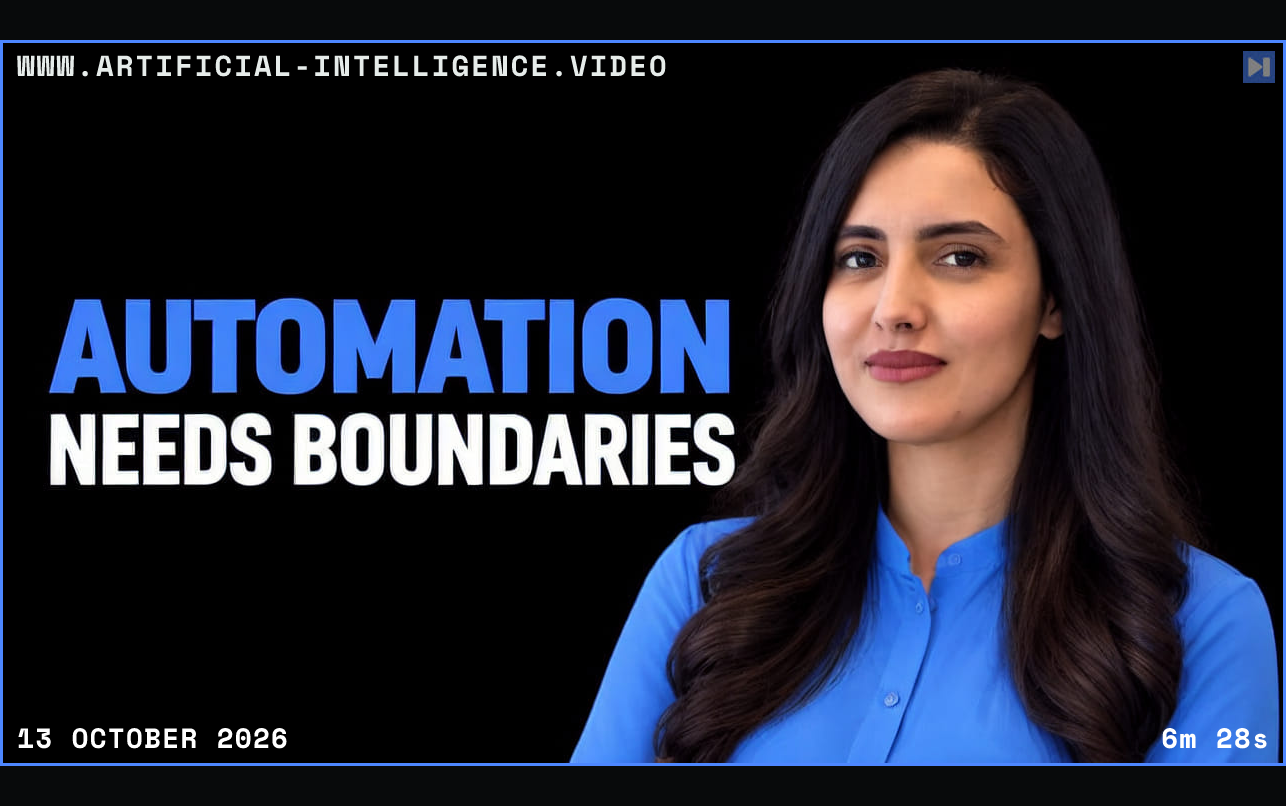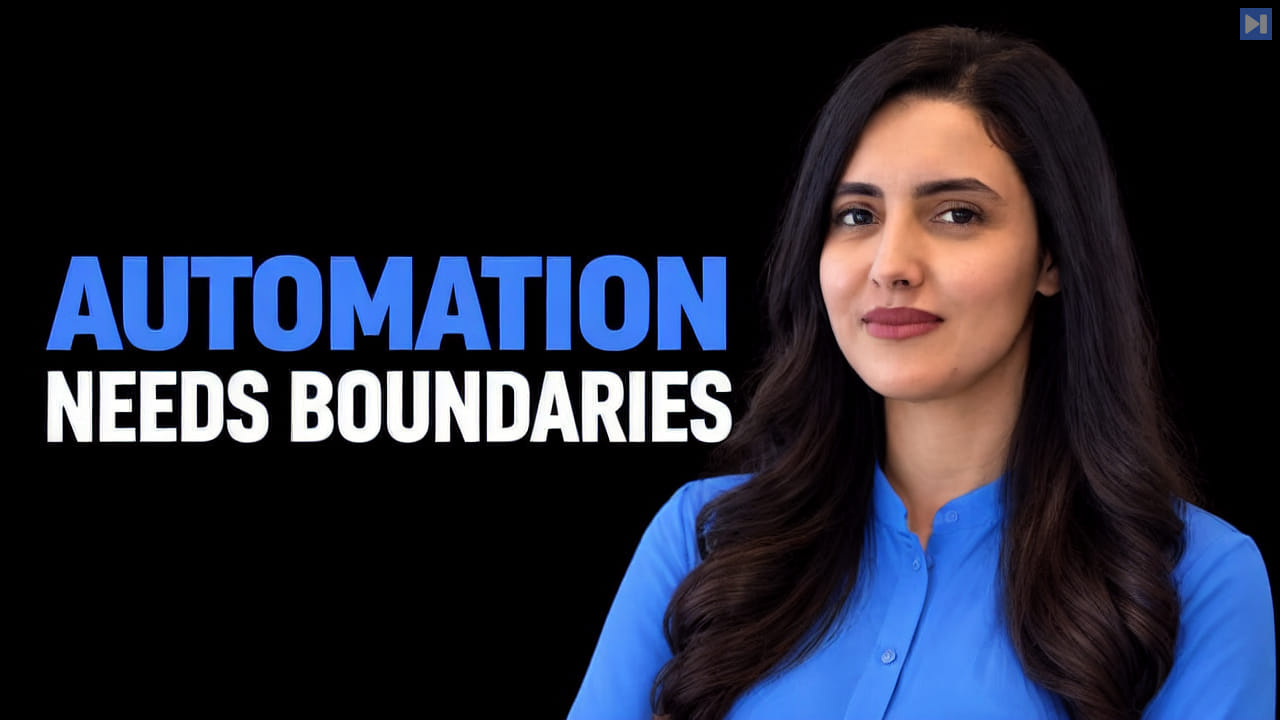
Soukaïna Abelhad distinguishes a measured improvement from the broader conclusion a sales deck may attach to it. Her first check compares workload growth with the fully loaded labor needed for review, training, escalation and rework. More output accompanied by proportionally more human effort may describe assistance rather than labor removal.
Soukaïna Abelhad separates AI-attributed work from straight-through completion inside a named workflow boundary. She then asks who defines quality, how automated graders were validated and whether domain experts agree with them. Reported studies and an anonymous project example illustrate why passing a model's rubric need not mean maintainers accept the result.
Soukaïna Abelhad brings the surviving claims into cost per accepted autonomous task, counting failures, escalation and rework rather than only successful model calls. She explicitly avoids treating weak AI positioning as a causal explanation for a company's collapse; the framework concerns evidence-supported diligence, not a general automation rate or an investment recommendation.
 Watch on YouTube