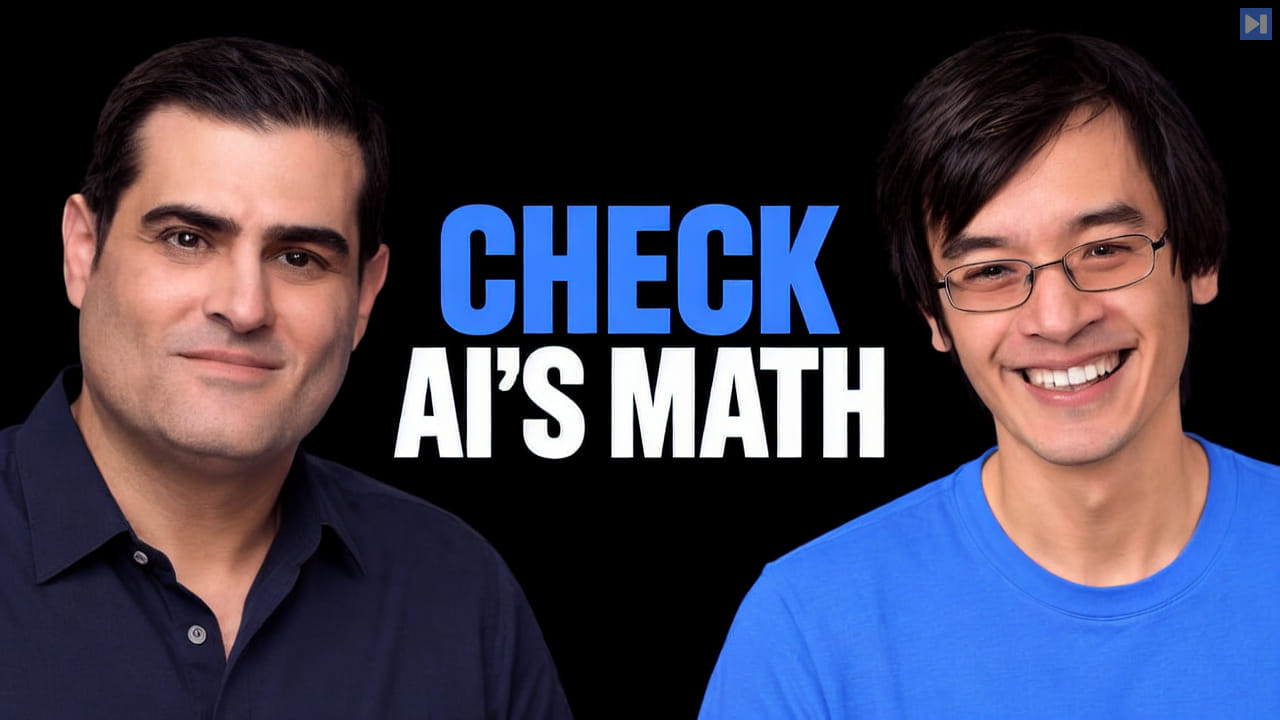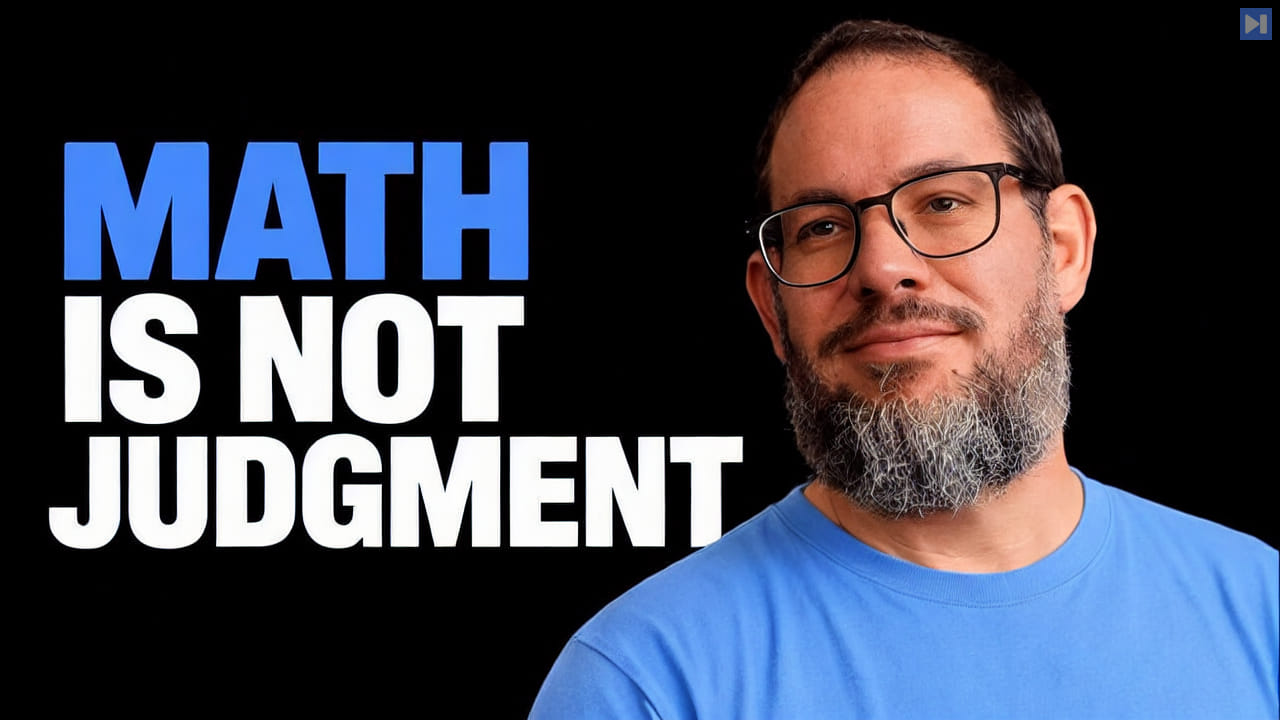
Nate B Jones uses OpenAI's reported mathematics results to illustrate uneven AI capabilities. He discusses hundreds of manuscripts and an unreleased model as claims about strong performance in particular formal tasks, not independently verified proofs or evidence that every kind of professional judgment has been solved. His interpretation emphasizes narrow peaks of capability rather than a universal transfer to engineering and business.
Nate B Jones distinguishes generating code from maintaining reliable production systems. A hypothetical document-search example tests what happens after a user's access is revoked: a system can continue leaking information through an old index or saved answers unless someone identifies the right risk and designs the right check. Knowing which assumptions, permissions and failure modes to examine remains part of the engineering problem.
Nate B Jones then considers a business whose documents contradict one another and whose employees cannot identify the authoritative version. Fixing that workflow requires discovering ownership and the real customer problem, not simply generating more features. He argues that faster AI-assisted iteration is useful when it improves learning and feedback, while domain knowledge and human agency remain important. This is a perspective on adaptation, not a guarantee of employment or a prediction that mathematical progress stops.
 Watch on YouTube