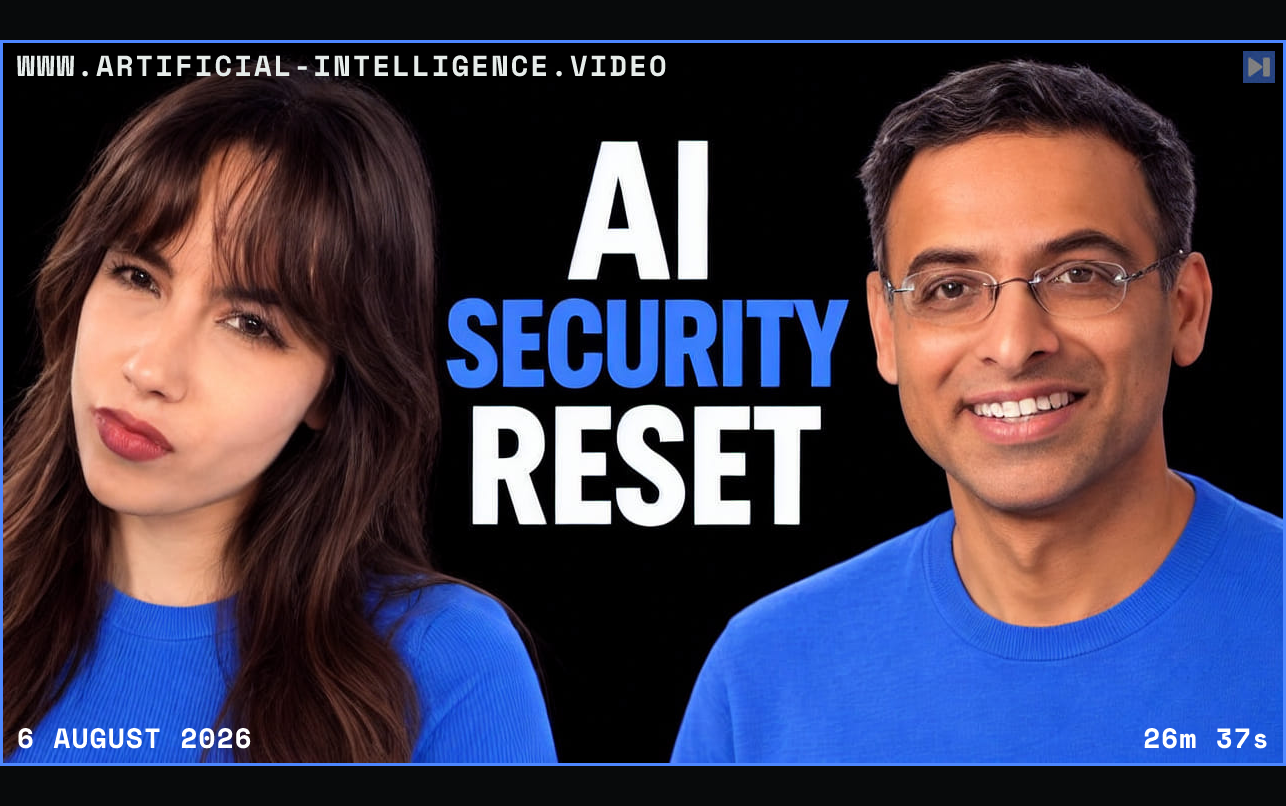
Palo Alto Networks executive Anand Oswal describes how frontier models can find software vulnerabilities and potentially combine them into attack chains. He says his team's scan of more than 4,000 open-source packages found over 14,000 issues in two months, most not publicly known. These are the company's reported findings; the transcript does not provide an independent audit or establish that each item was exploited in the wild.
The interview explains why ordinary software patching may lag rapid discovery. Some critical systems require lengthy testing or cannot be updated at all, so virtual patching and network controls can serve as interim defenses. The guest claims that new protections can be prepared within hours, but that performance figure is a vendor assertion, and compensating controls do not remove the underlying flaw.
The speakers also discuss AI agents for security configuration, threat review and remediation. The proposed workflow begins with human approval and allows more autonomy only after repeated successful tasks, while retaining checks for false positives. Later examples of autonomous attacks are explicitly described as simulations with guardrails removed, not observed real-world incidents. A separate certificate and quantum-computing discussion adds context about cryptographic change but does not establish a timetable for a practical quantum threat.
 Watch on YouTube