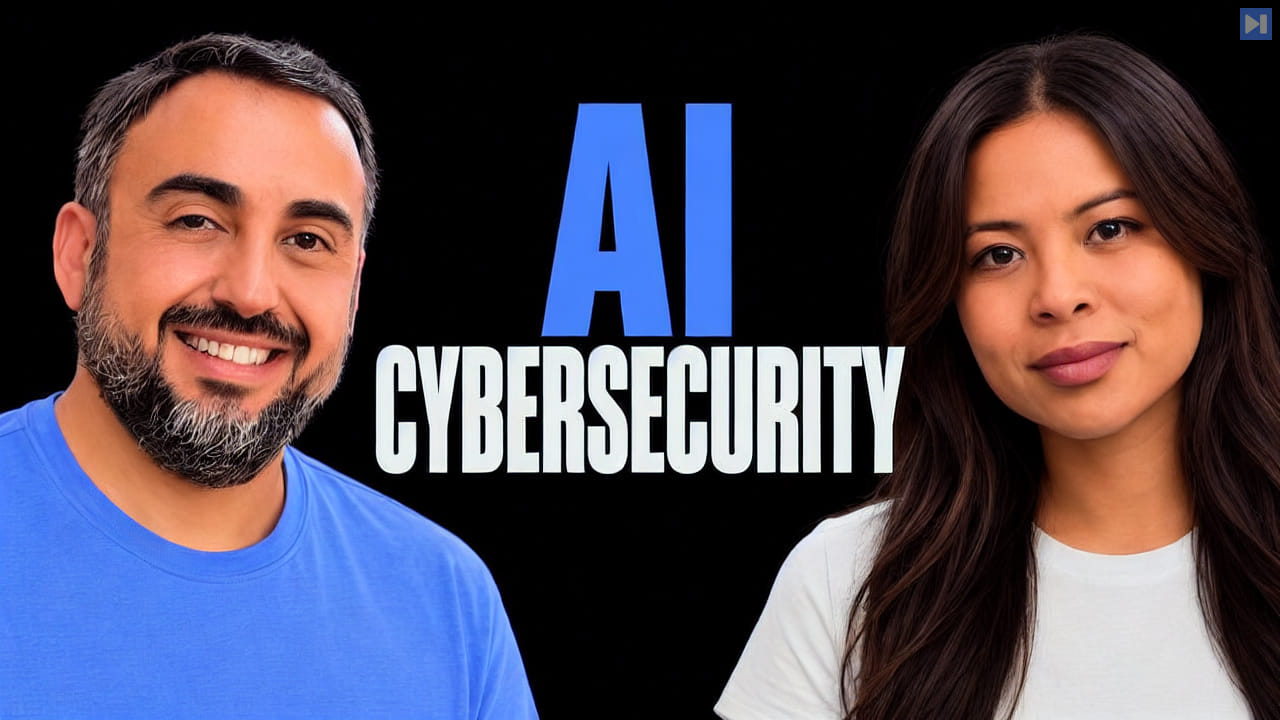
Alex Stamos tells Sophia Dew that increasingly capable open-weight modelsAn open-weight model makes its trained parameter values available so others can run or adapt it under the release's licence. may make it cheaper and faster to operationalise software vulnerabilities. He calls the transition a difficult period for defenders and argues that the cost of scanning and fixing large codebases is a central challenge.
Stamos discusses Cognition’s Devin Security launch and its offer of scanning credits. He describes prioritising findings and producing fixes with human approval; his claims about the company’s product are presented as a vendor perspective rather than independently verified outcomes.
The conversation turns to threat intelligence sharing, the difficulty of coordinating defensive agents, and the need to remediate or rewrite vulnerable legacy code. Stamos argues that teams should reduce exposed systems and improve patchingPatch management is the organised process of identifying, evaluating, deploying and verifying software updates that fix defects or security weaknesses. while maintaining human oversight.
 Watch on YouTube