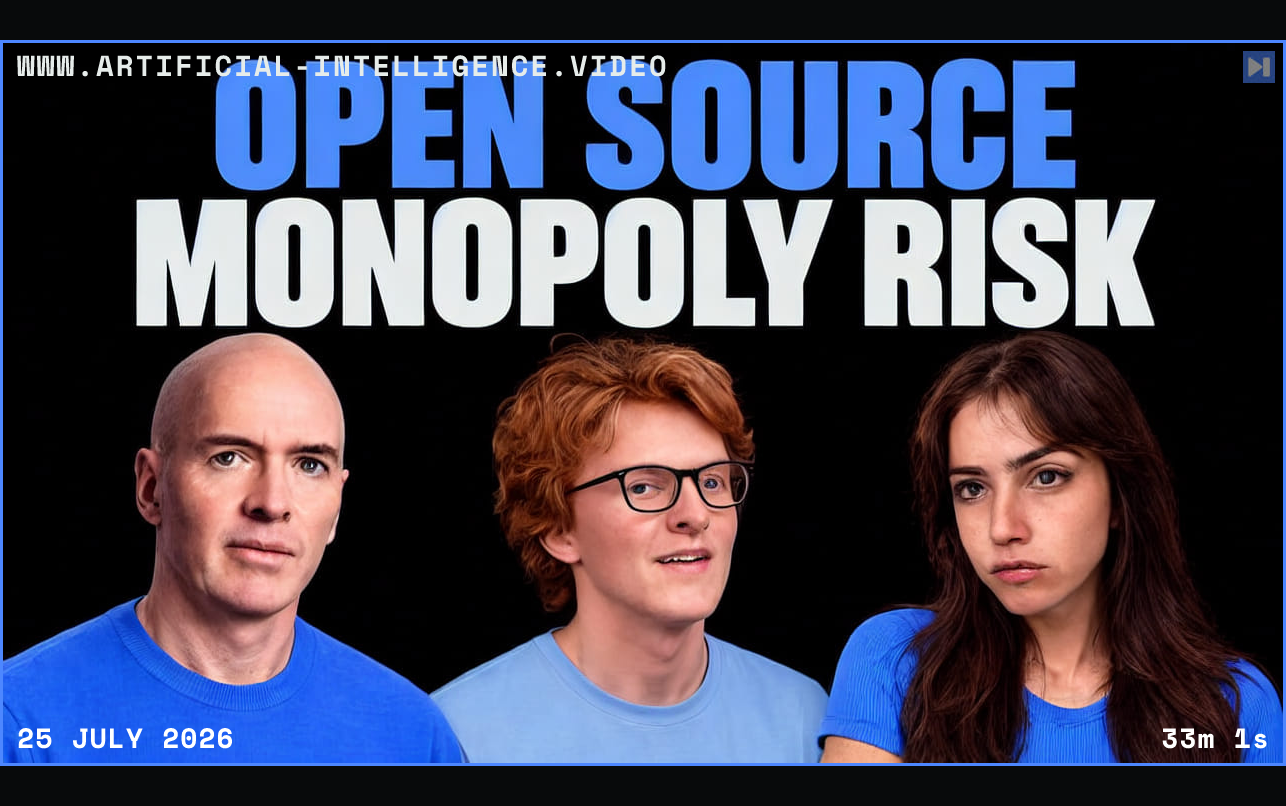
Ben Horowitz joins Theo Jaffee and Sofia Puccini to argue that restricting open AI models could concentrate power in a small number of proprietary providers. Ben Horowitz presents open ecosystems as a way to enable research, competition and community scrutiny, but the safety benefits he claims remain an argument rather than a demonstrated universal rule.
Ben Horowitz discusses national-security policy, model distillation and the competitive choices facing builders. Theo Jaffee and Sofia Puccini probe how platform dependence can affect robotics and other products when the model provider might also enter the same market. Legal and policy opinions in the conversation are not legal advice or settled findings.
Ben Horowitz also considers investment in open models, smaller specialized systems and business opportunities in a market he sees as early in adoption. The interview closes with AI art and creative access. Claims about rival companies' motives are attributed to Ben Horowitz rather than presented as independently verified facts.
 Watch on YouTube