The walkthrough starts by defining a New York City daily-temperature strategy for Kalshi. It uses Google WeatherNext 3 forecasts through Earth Engine, checks the market's Central Park weather-station rules, and connects the required Google and Kalshi APIs before any automated order logicWorkflow automation uses software or AI to complete a connected sequence of routine steps with less manual effort. is built.
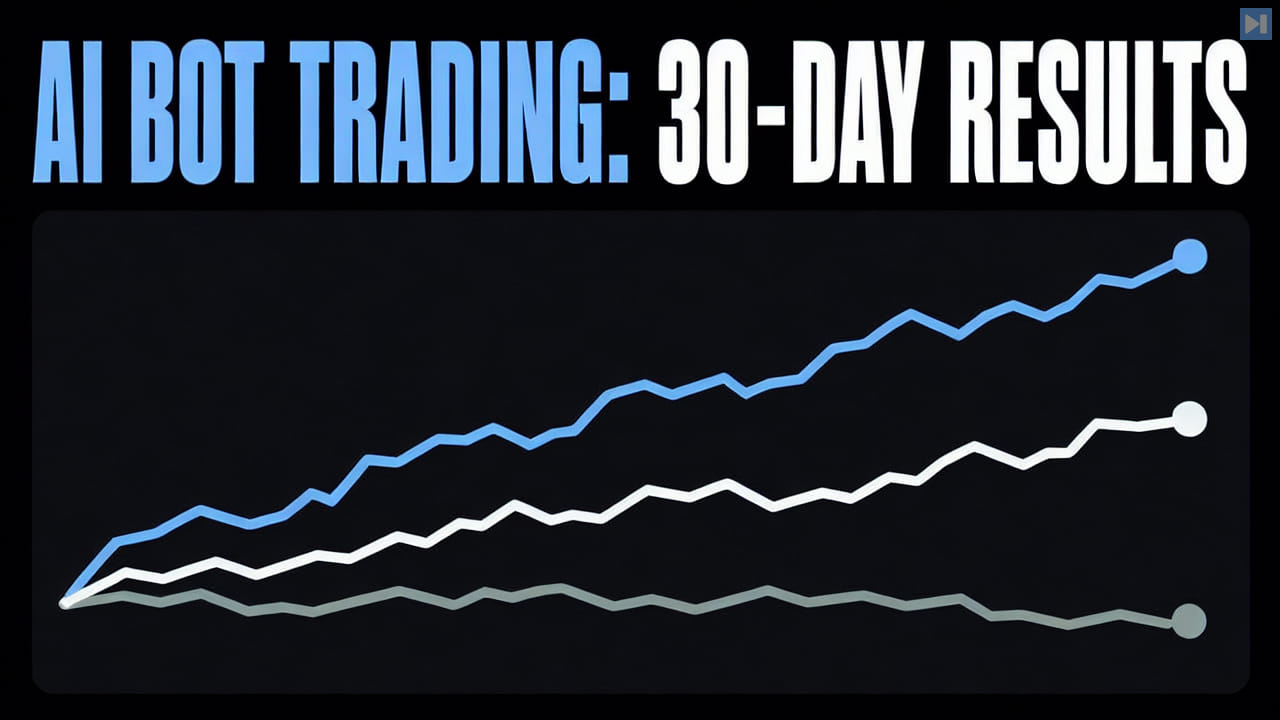
GPT-6 Astra in Codex is then used to assemble a reproducible backtestBacktesting applies a strategy to historical data to estimate how it would have behaved under past market conditions. and compare forecast probabilities with market prices at several horizons after opening. The proposed bot freezes its weather estimate before the market opens, checks both sides of every temperature bucket, requires liquidity, accounts for fees and a safety buffer, and skips trading when the estimated edge is too small.
The bot is tested locally, deployed in paper mode to a small AWS instance, and switched toward a live trial. The automated entry does not fireAgent completion verification checks evidence that an agent achieved the requested outcome rather than merely producing intermediate work. because an uncertainty scenario replaces the frozen probability, so the presenter makes a small manual trade and treats the result as a debugging case rather than proof of a durable edge. The closing guidance stresses ongoing monitoring, trading fees and server costs.
 Watch on YouTube