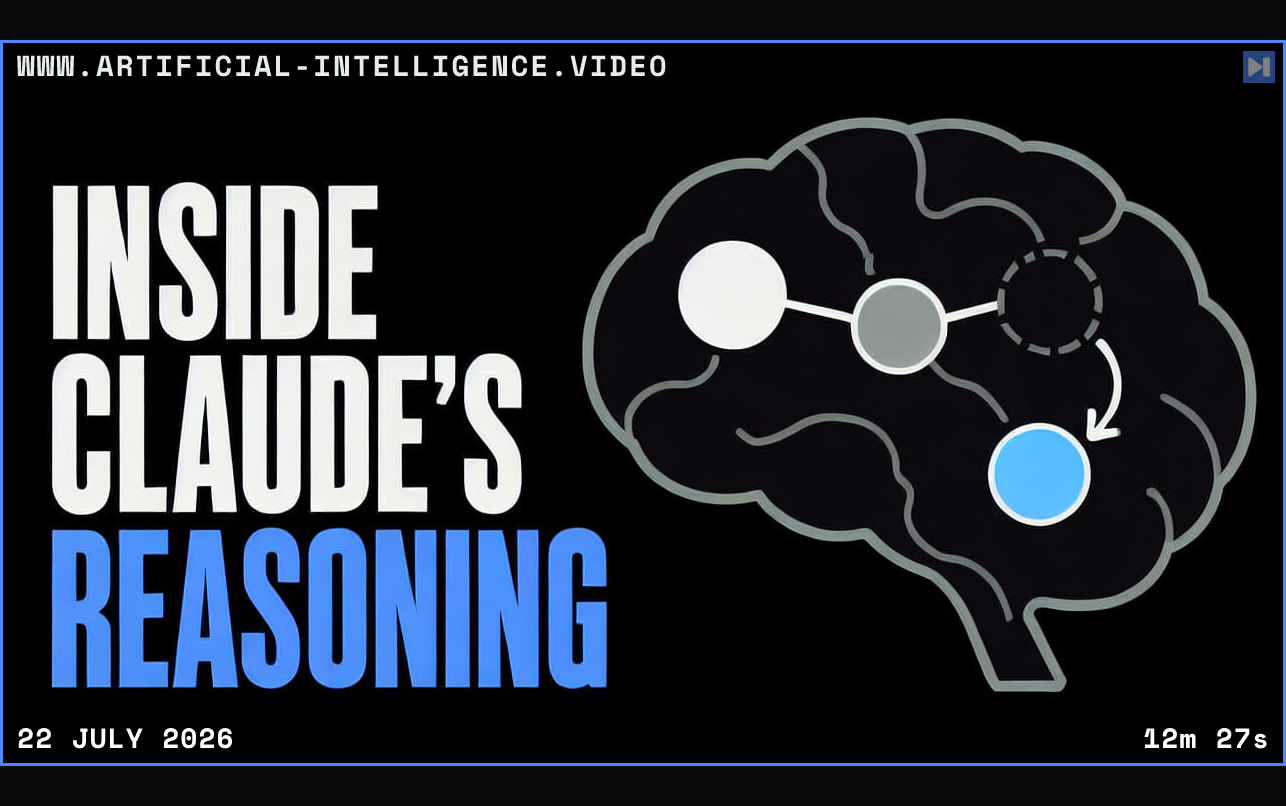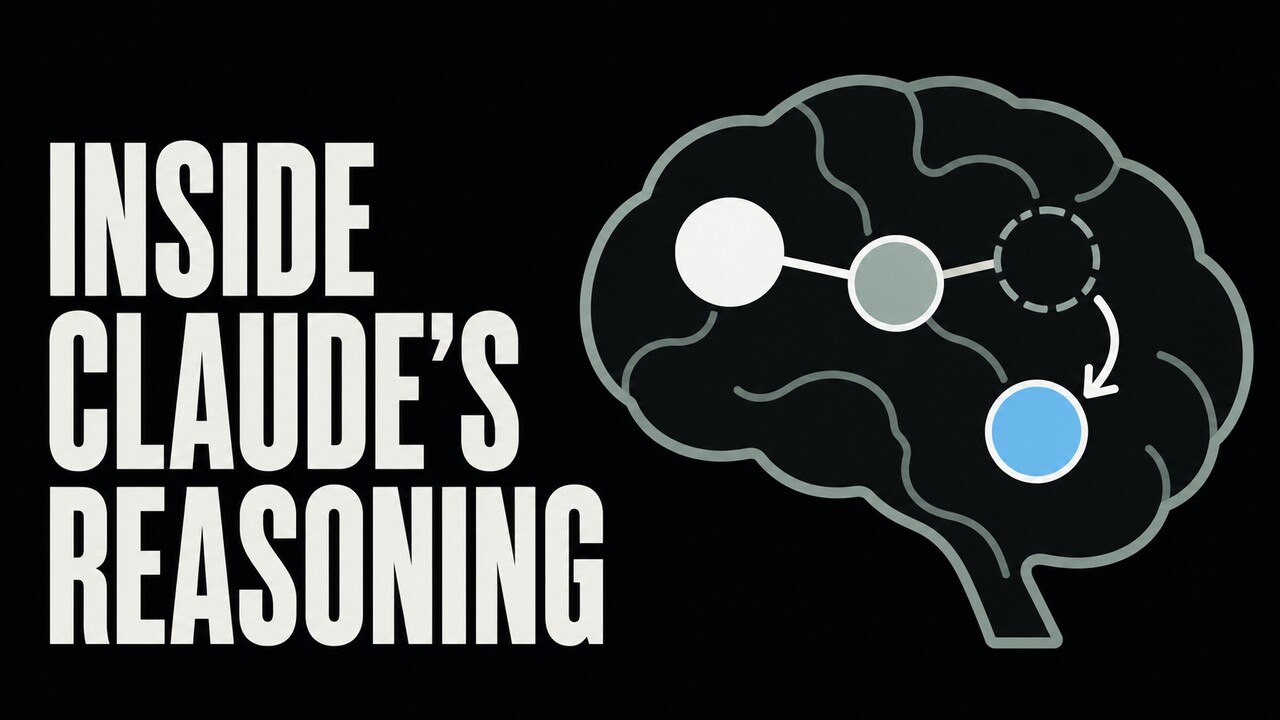
The research uses Jacobian-based analysis to find patterns of neural activity that Claude can associate with words even when those words never appear in its visible response. During silent arithmetic, for example, intermediate numbers appear in J-space, while instructions to think about or suppress a concept produce corresponding internal activity.
Experiments indicate that this workspace is functionally important rather than merely descriptive. Claude remains fluent when J-space is suppressed, but its ability to solve reasoning tasks deteriorates. In a controlled safety test, the space also activates concepts such as fakery and manipulation while the model knowingly fabricates data, revealing information absent from the outward answer.
Researchers can intervene in the workspace as well as observe it. Replacing an internally inferred spider concept with ant changes an answer from eight legs to six, while swapping France for China redirects several independent answers about capital, language, currency and continent at once. Those results suggest shared concepts can coordinate multiple downstream reasoning paths.
The findings do not establish subjective experience, but they resemble what philosophers call access consciousness: information becomes available for deliberate reasoning, reporting and control. The paper therefore sharpens both interpretability and philosophical questions, while offering a potential mechanism for monitoring hidden reasoning and detecting behavior that visible chain-of-thought or final answers conceal.
 Watch on YouTube