Igor Pogany presents Grok Bot as a managed alternative to self-hosted agent systems such as OpenClaw. Each assistant receives its own virtual computer and can work through a browser, terminal and persistent memory without requiring the user to maintain local infrastructure.
The demonstration shows an assistant connecting to Gmail and Calendar, creating recurring routines and remembering preferences across sessions. Pogany emphasizes that the useful distinction is not simply model quality, but whether the agent has durable context, scheduled execution and controlled access to the tools needed to complete work.
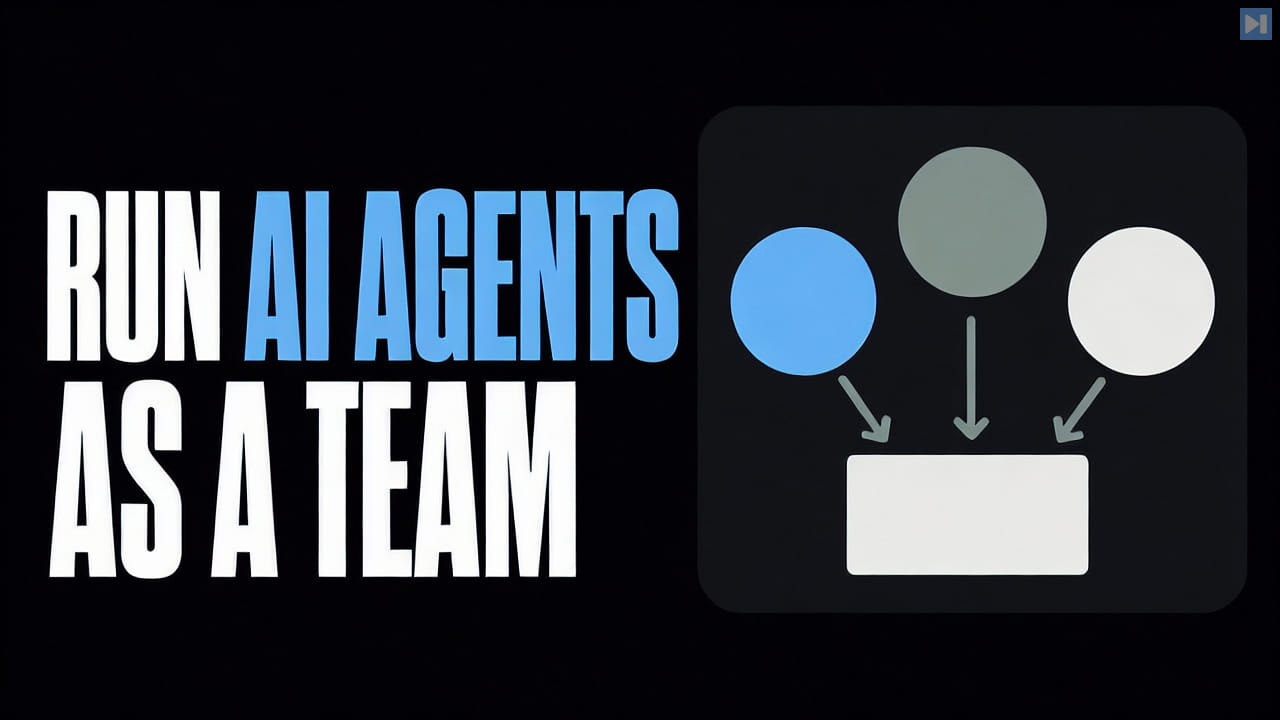
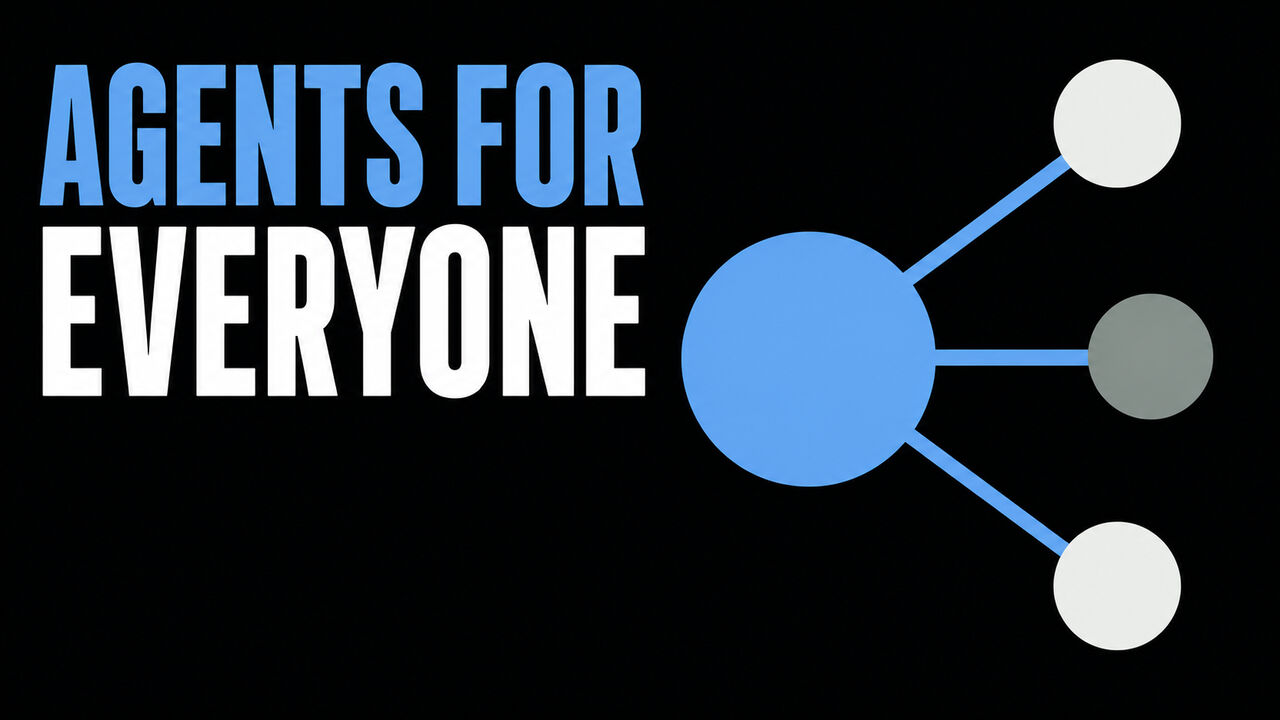
A second assistant then requests information from the first, illustrating how specialized agents can collaborate while maintaining separate responsibilities. Pogany argues that this shared-memory and agent-to-agent layer could make multi-agent systems more practical for ordinary users, although the product's broader capabilities and limits still need real-world testing.
 Watch on YouTube