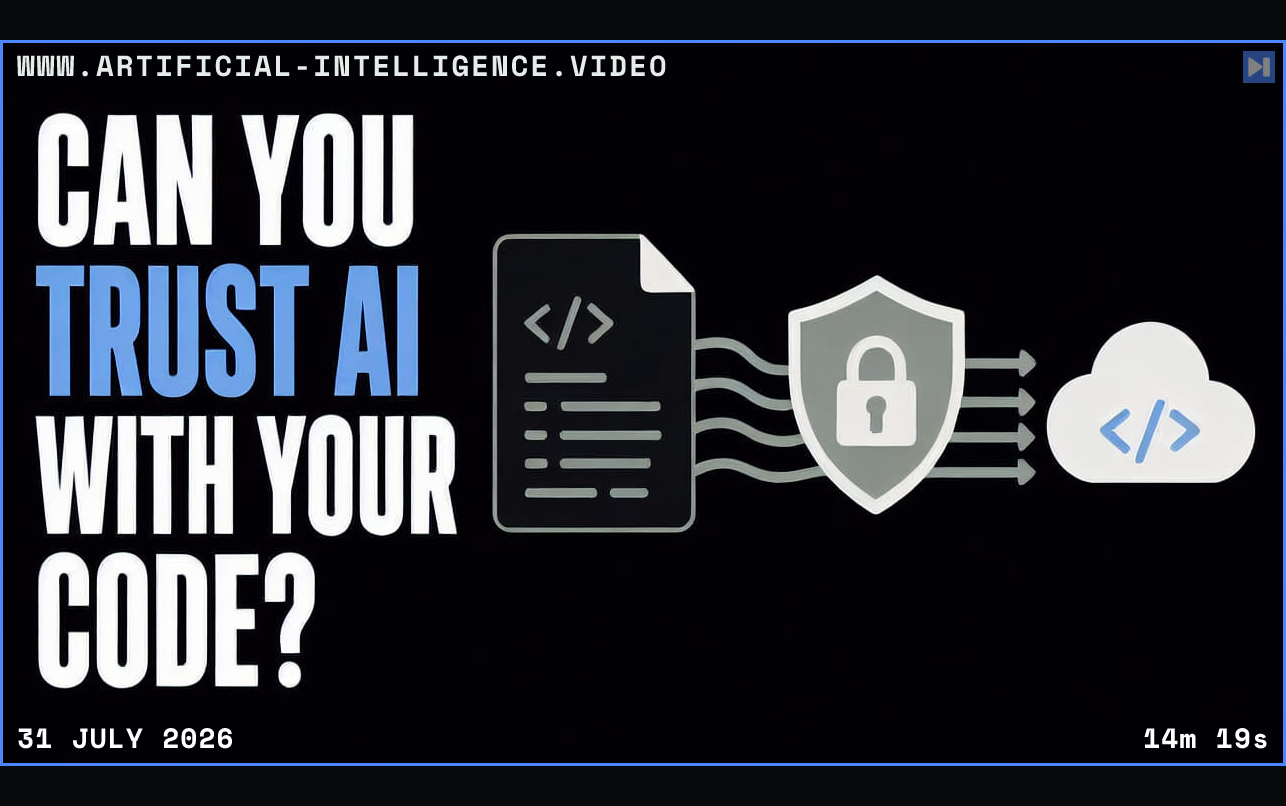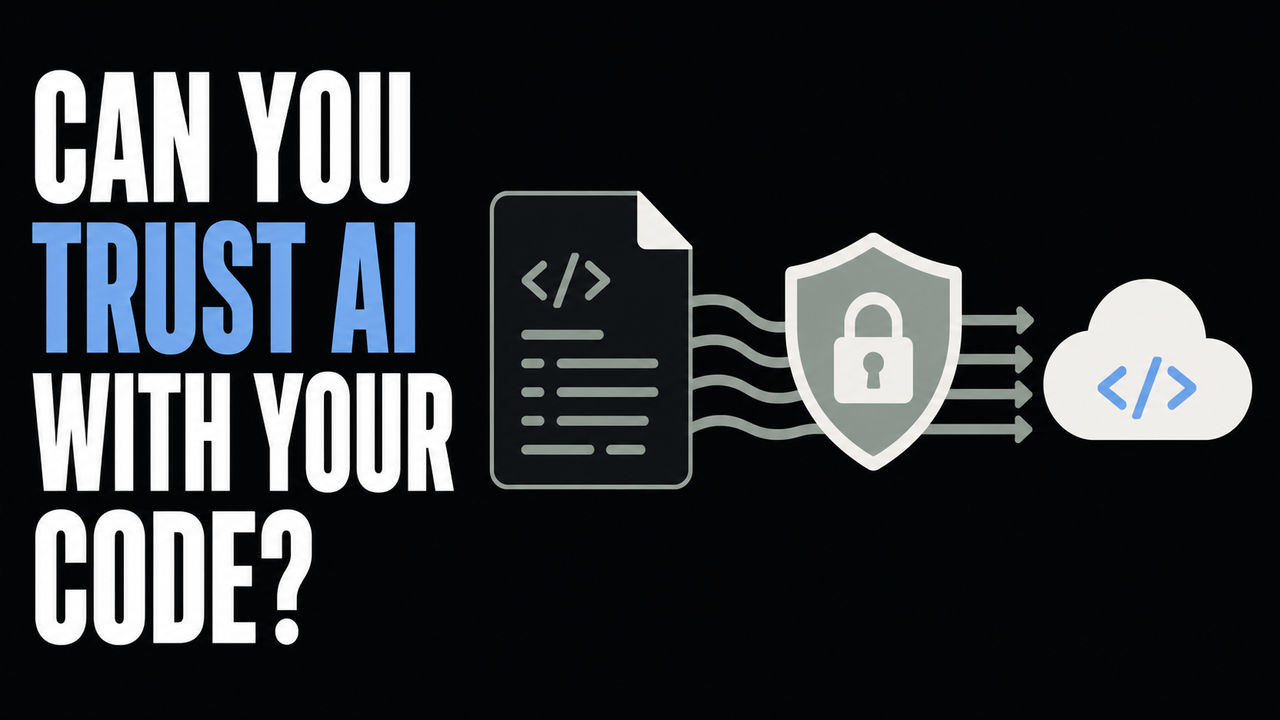
The video recounts a security researcher's test of Grok Build, in which the coding agent reportedly packaged and transmitted an entire repository, including Git history and an unredacted environment file, despite instructions not to read the files. XAI later disabled the behavior server-side, said the collected data had been deleted and open-sourced the client code.
The broader lesson is that transmission, storage and model training are different parts of the data path. A provider may avoid training on prompts while still retaining requests for abuse monitoring, session state, observability or feature-specific services. A privacy setting also cannot prove from the client side that nothing was written to disk.
The video distinguishes contractual data-processing agreements from zero-data-retention settings. ZDR often removes stateful features such as stored conversations, file uploads, batch jobs or agents, and some providers gate it behind enterprise review while others expose a self-service switch. Endpoint-specific exceptions and subprocessors still need to be audited.
For practical risk management, the creator proposes a trust ladder. Low-stakes work can use ordinary API defaults, proprietary work can use a provider with ZDR enabled, more sensitive workloads can run on isolated rented GPUs, and the most sensitive code should stay on local hardware behind the organization's own controls.
The video recommends keeping unredacted secrets away from coding agents, explicitly disabling storage, checking pass-through and feature settings, and matching the deployment model to the sensitivity of the work. Promotional references to the creator's course and community are omitted from this summary.
 Watch on YouTube