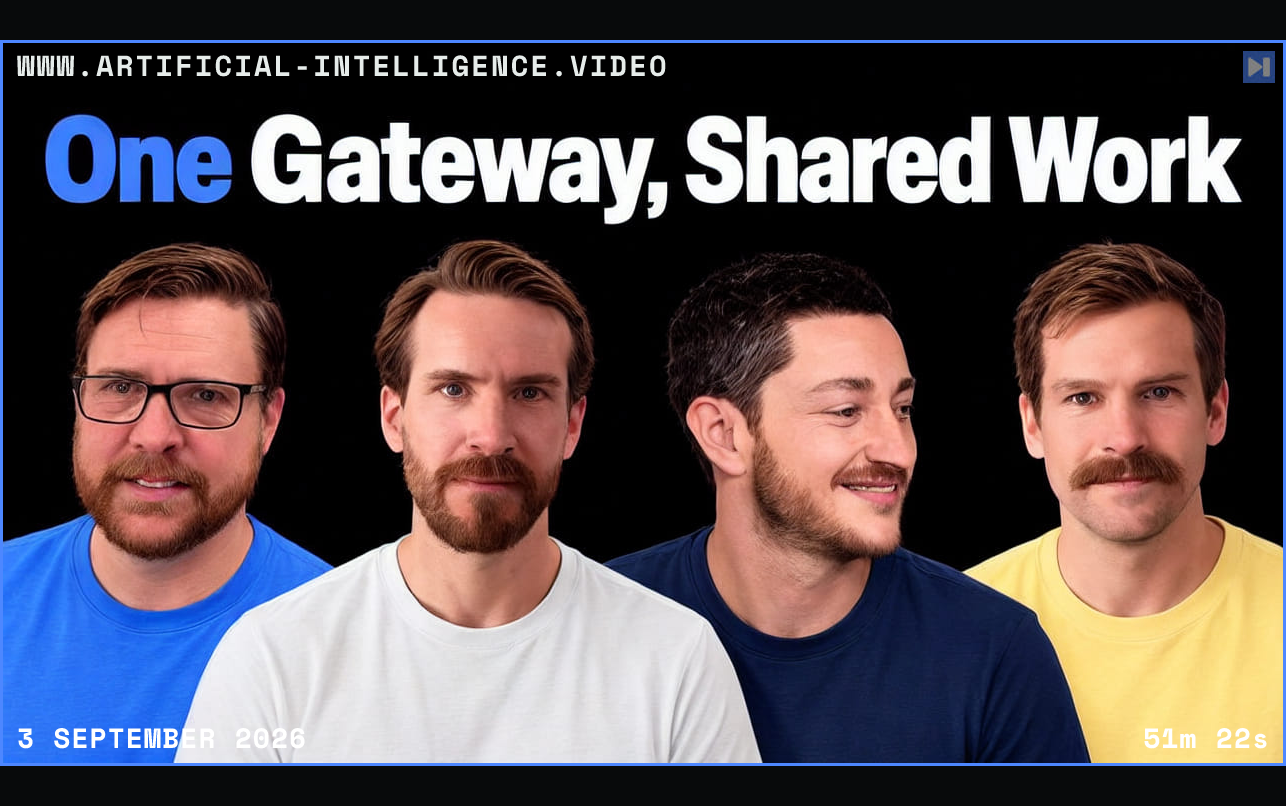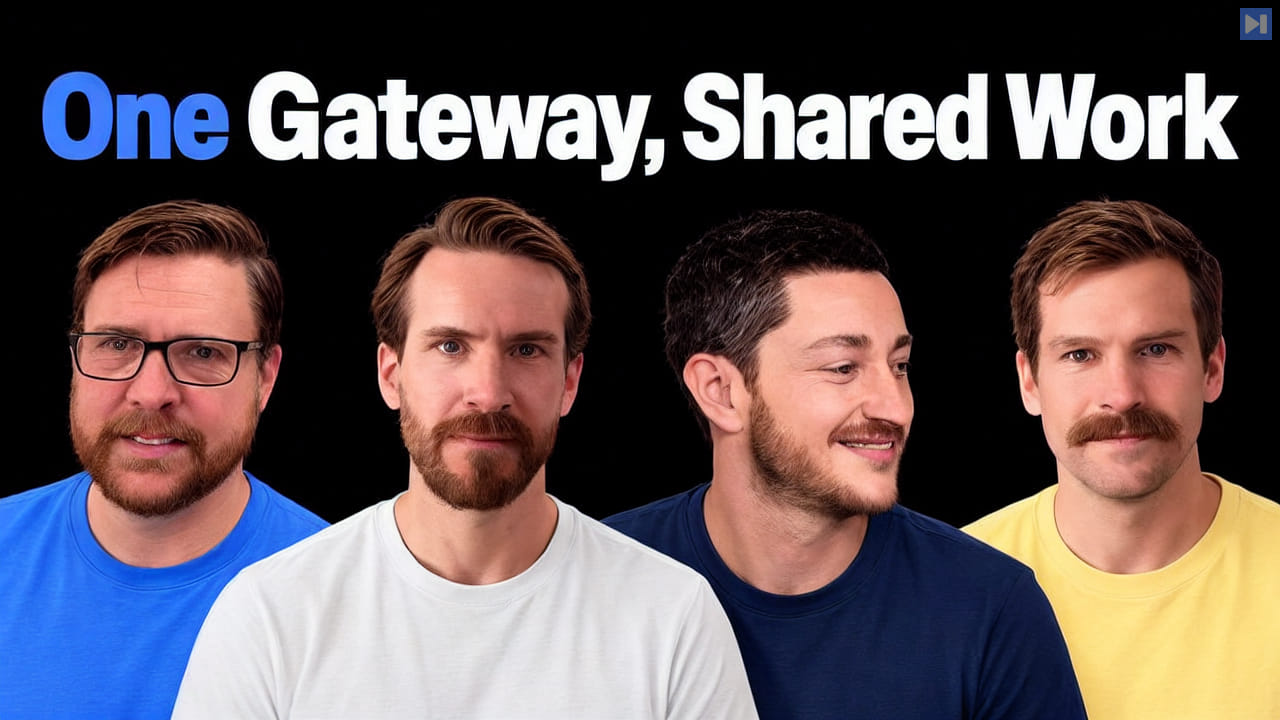
Hannes Rudolph, Patrick Erichsen, Peter Steinberger and Josh Lehman discuss the rebuilt OpenClaw Control UI and the team's shift toward longer-running collaborative work. Dashboards turn agent output into persistent views, while shared sessions let teammates continue work without copying responses between conversations. These examples describe the team's experience rather than a controlled productivity comparison.
Hannes Rudolph, Patrick Erichsen, Peter Steinberger and Josh Lehman explain that multiplayer means several trusted people using one gateway, not independent personal agents gaining a new secure collaboration boundary. Shared access can expose connected data and context, so they caution against adding untrusted people. Messaging integrations remain useful, while the web interface exposes richer dashboards, session views and team activity.
Hannes Rudolph, Patrick Erichsen, Peter Steinberger and Josh Lehman describe shared memory, background reconciliation and reflective skill updates. They discuss a move toward a unified memory system and distinguish team-wide state from separate personal agents. Per-user skill controls and some notification features are still being developed during the episode, not guaranteed available features.
Hannes Rudolph, Patrick Erichsen, Peter Steinberger and Josh Lehman show the idea of worker nodes distributing sessions across local machines and hosted infrastructure. They explicitly say the experience is not yet as reliable as local execution. Onboarding and visualization examples illustrate a range from simple messaging tasks to more involved workflows; broad claims of unlimited compute, universal reliability and automatic financial management are not established outcomes.
 Watch on YouTube