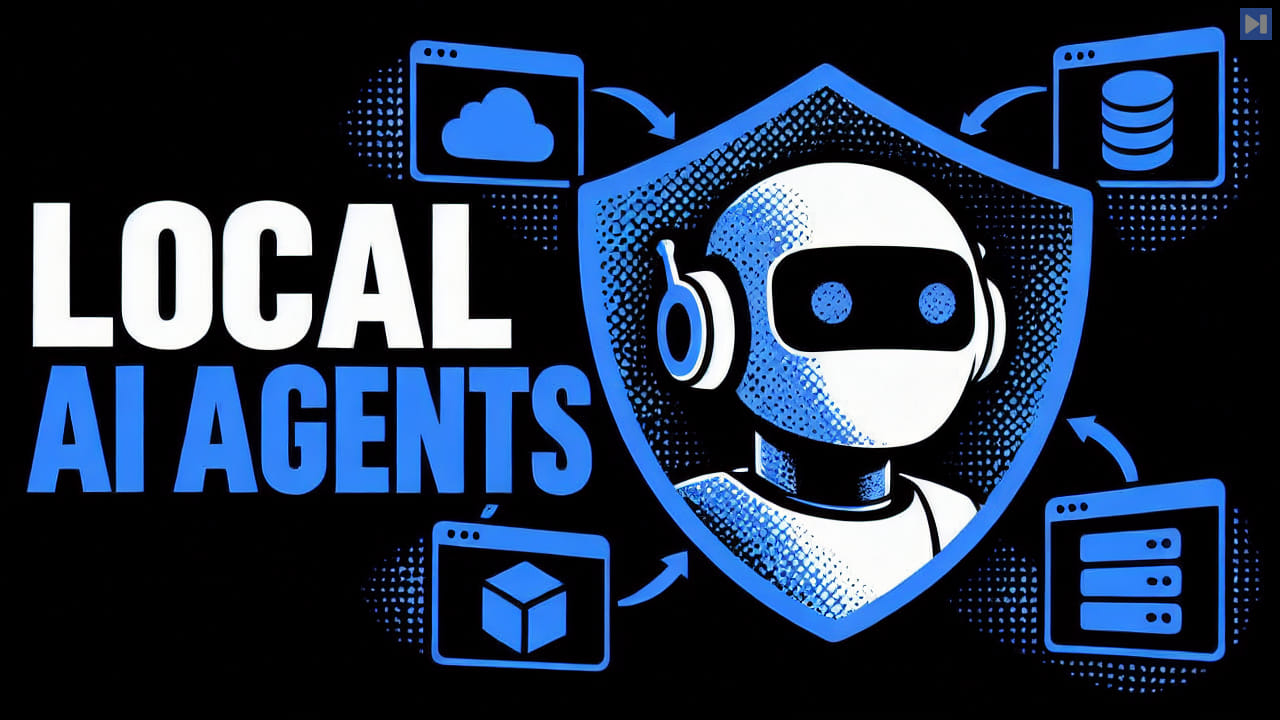
Dan Barrett, Raymond Weitekamp and Jose Montes de Oca present OpenProse as a declarative layer for agent workflowsA declarative workflow describes the intended outcome, dependencies and constraints while leaving some execution details to the system that carries it out.. Instead of prescribing every step, a contract describes a required outcome, its inputs, dependencies and constraints. Contracts can compose other contracts and travel between compatible models and harnessesAn AI agent harness is the software framework that packages a model with tools, instructions, context management, execution controls, and user interaction.. The presenters distinguish this approach from exploratory chat, where a user may not yet know the desired result.
Dan Barrett, Raymond Weitekamp and Jose Montes de Oca demonstrate event-driven jobs triggered by repository activity and other eventsWorkflow automation uses software or AI to complete a connected sequence of routine steps with less manual effort.. A pull-request review example combines a reusable reviewer contractAI-assisted code review uses AI to inspect software changes for defects, risks, standards, missing tests, and opportunities for improvement while human reviewers retain responsibility. with an explicit deployment confirmation before the hosted job can spend money. The team also discusses independent review sessions, intermediate checkpoints and pinning a successful execution pattern when a more procedural path becomes useful.
Dan Barrett, Raymond Weitekamp and Jose Montes de Oca describe a bank model-documentation example using public model information. Requirements, supporting material and review criteria are expressed as Markdown, with the agent producing a documentation draft. The demonstration does not establish regulatory approval or guaranteed compliance. Reported savings and customer success remain presenter claims rather than independently verified results.
Dan Barrett, Raymond Weitekamp and Jose Montes de Oca acknowledge that results depend on model and harness capability, and that an agent declaring itself finished is not independent verificationAgent completion verification checks evidence that an agent achieved the requested outcome rather than merely producing intermediate work.. They discuss prospective decision-model verifiers, routing and reinforcement learning, explicitly distinguishing those ideas from currently implemented features. Composing contracts can preserve intermediate constraints, but a natural-language contract alone does not guarantee reliability, security or audit acceptance.
 Watch on YouTube