Pierce Freeman and Richard Diehl Martinez offer predictions for 2026, rather than confirmed product plans. They debate OpenAI's business, consumer brand recognition and whether specialized models can compete through better training environments and focused capabilities.
Smaller architectures and distillationKnowledge distillation trains a smaller or different AI model to reproduce useful behavior learned from a stronger teacher model. could make useful intelligence cheaper to deploy. The conversation then contrasts Meta's organizational challenges with Apple's opportunity to combine hardware, private context and personalized software. Claims about either company's internal strategy remain the hosts' assessments.
The hosts imagine generated applicationsCode generation uses AI or another automated system to create source code from instructions, examples, schemas, or higher-level specifications. becoming a normal unit of work, including bespoke internal tools and dynamically assembled websites. They also recognize practical constraints: ambiguous requirements, maintenance, latency, brand consistency and the value of testing an interface before exposing it to customers.
Open-weight modelsAn open-weight model makes its trained parameter values available so others can run or adapt it under the release's licence. prompt questions about competitive parity and who funds expensive training. The hosts discuss commercial revenue, investors and strategic incentives, without establishing a single explanation for every lab or treating open weights as unrestricted open-source software.
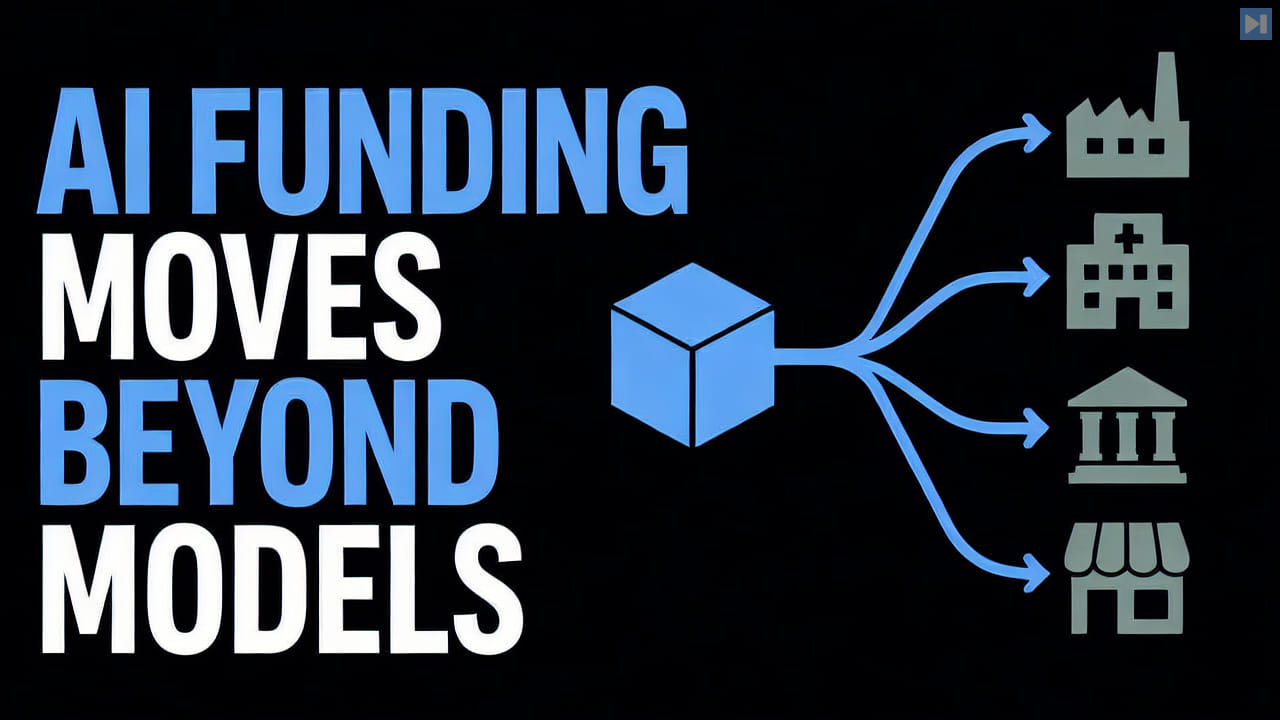
The closing forecast considers business budgets and whether visible utility can sustain AI investment. Advertising, robotics and useful software are possible routes to value, but the hosts explicitly acknowledge uncertainty about investment returns and bubble timing.
 Watch on YouTube