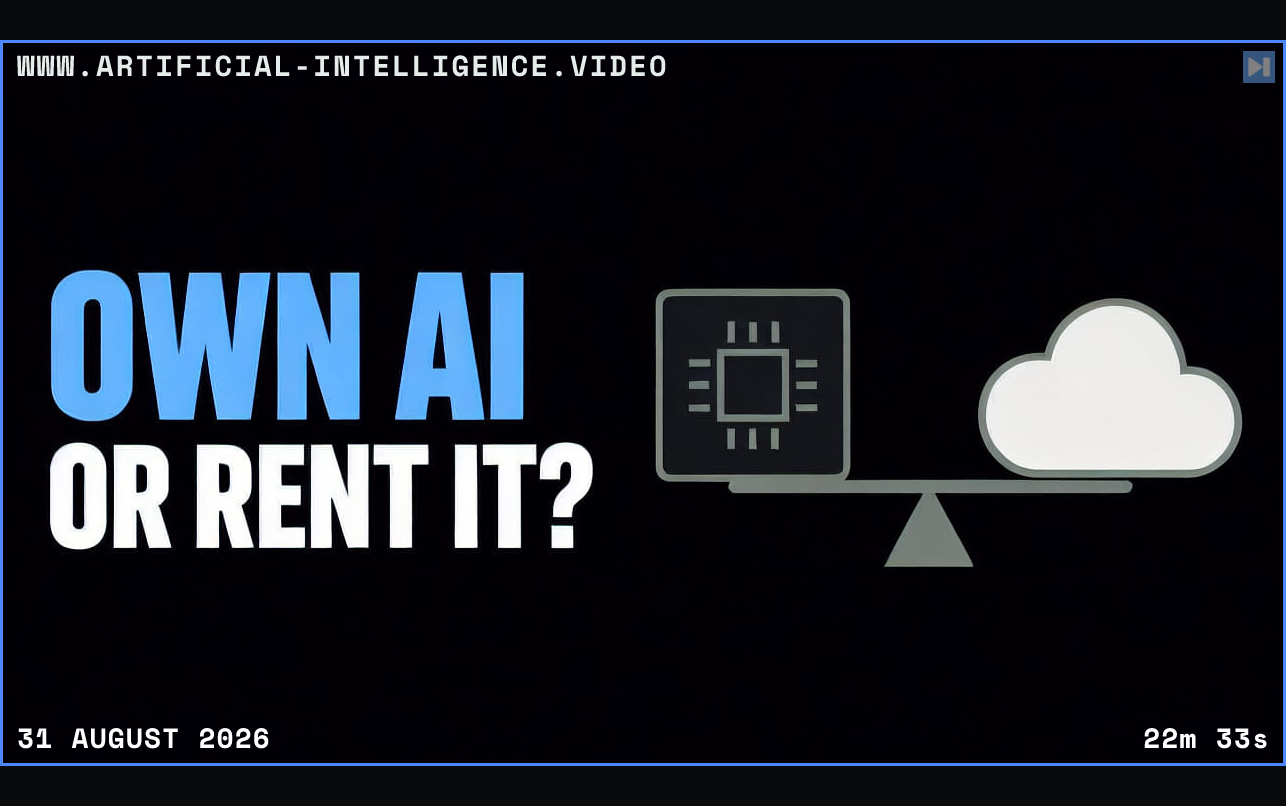
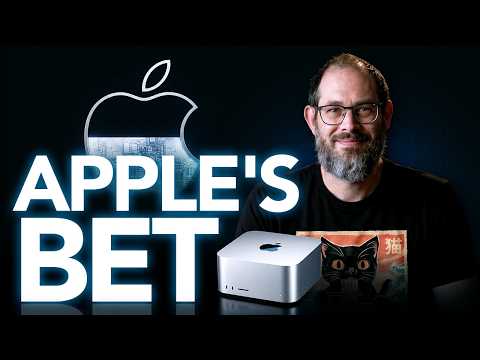
Nate B. Jones interprets Apple's desktop refresh as an explicit local AI strategy. The product ladder pairs ordinary desktop use with increasing unified memory and bandwidth, allowing buyers to choose between modest always-on agents and larger local model setups with multiple specialist agents.
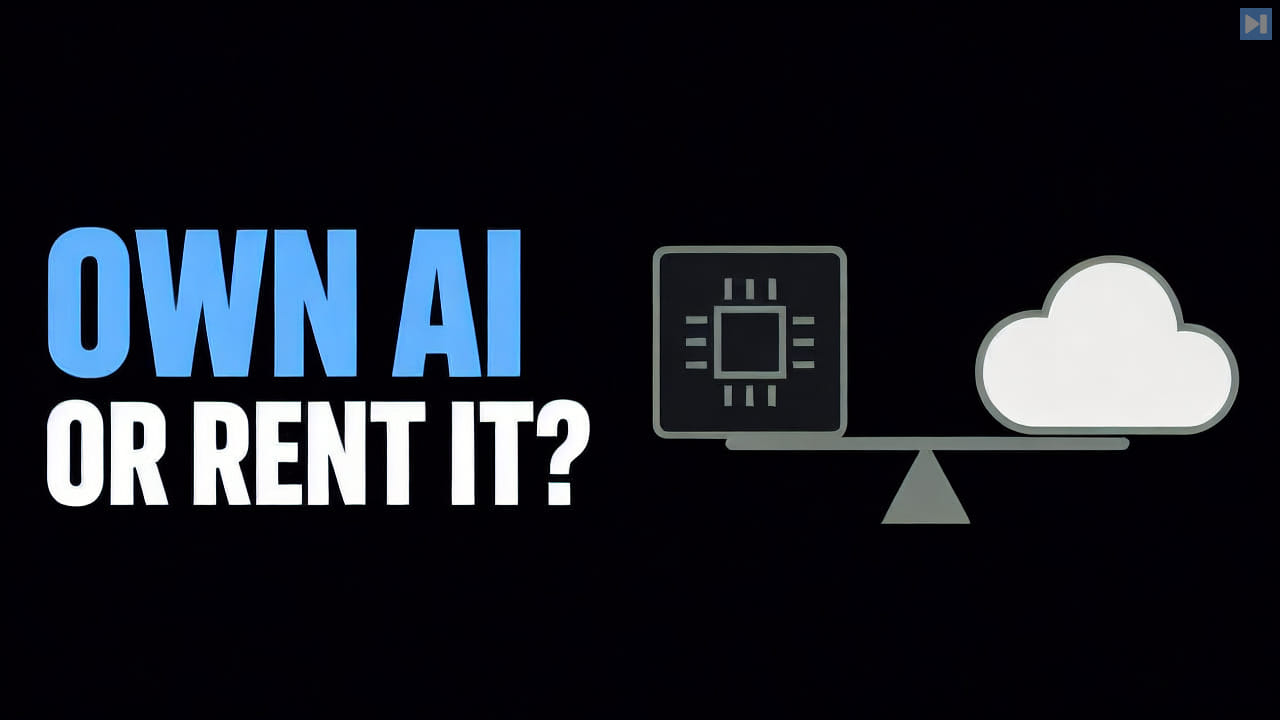
Jones says local computing offers privacy, control and a more predictable cost after the hardware purchaseInference cost is the expense of running a trained AI model to process inputs and produce outputs., but it cannot match a data center for the largest models, persistent cloud environments or massive parallel work. The practical market may therefore split between users who want a simple cloud subscription and technical buyers willing to manage local modelsA local model runs on computing infrastructure controlled directly by the user rather than only through a remote model service..
His likely outcome is a hybrid system in which routine intelligence runs locally and difficult work routes to frontier servicesHybrid inference combines local AI execution with cloud models so each request can use the environment best suited to it.. The missing layer is an easy way to install local models and select the right local or cloud model for each taskAI model routing sends each request to a model chosen for that request's complexity, cost, speed, privacy, or other requirements.. He frames Apple, cloud model labs and AI infrastructure providers as potential winners in different parts of that stack. The closing request for comments is omitted.
 Watch on YouTube