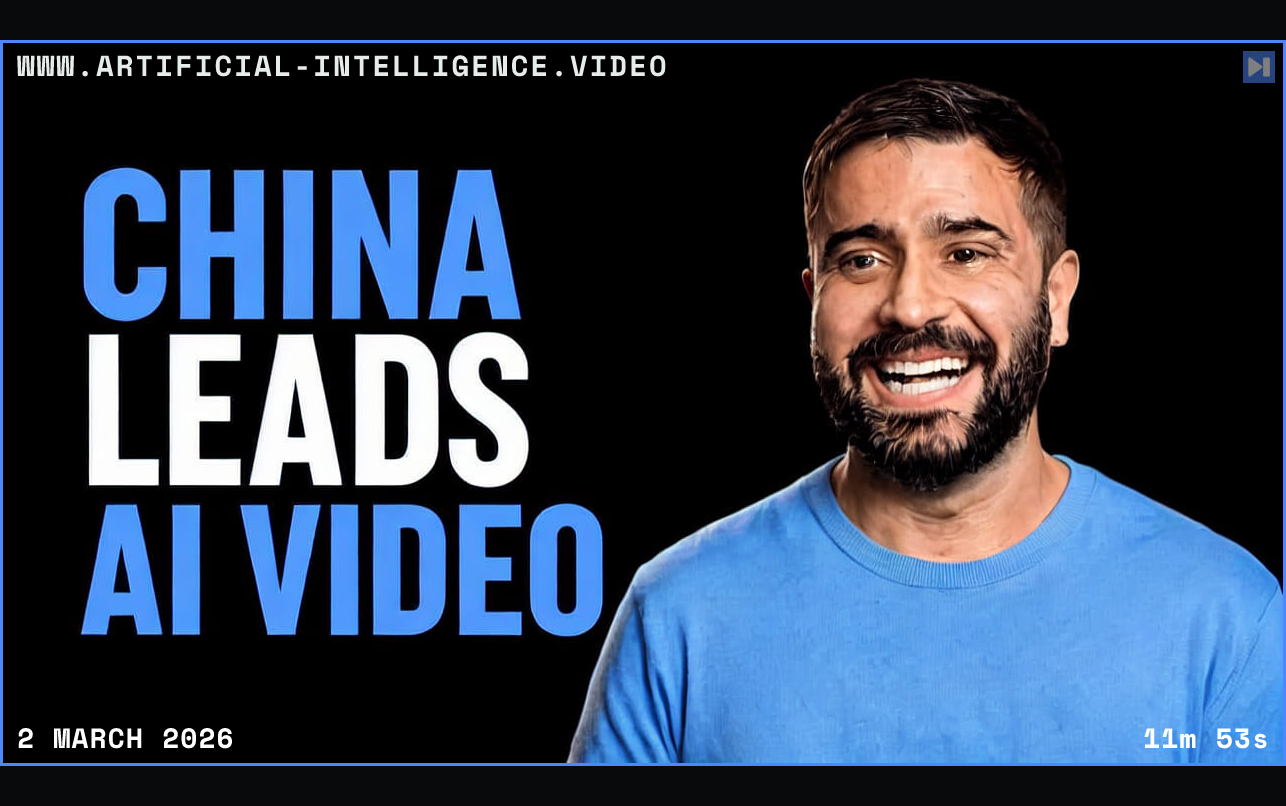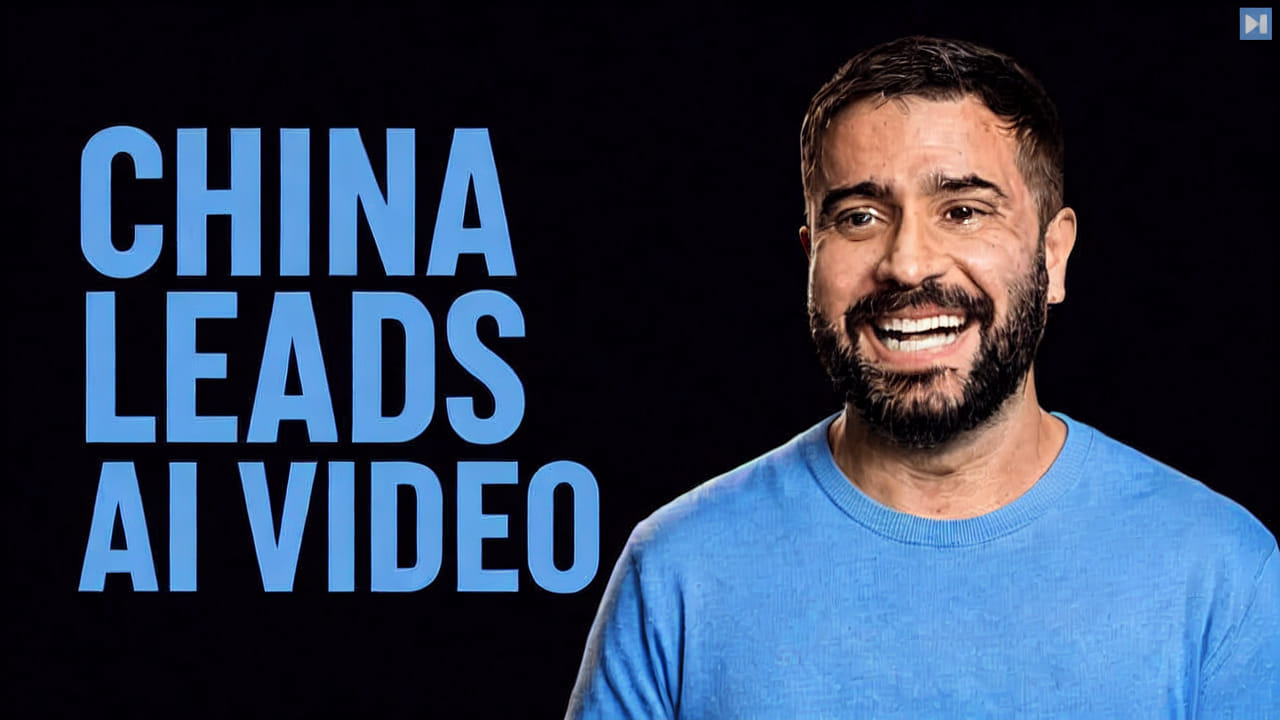
Bilawal Sidhu presents Seedance 2.0 and Kling 3.0 as complementary signs of China's lead in generative video. Seedance accepts text, images, audio, and video references, giving creators more control over characters, assets, motion graphics, style, and video-to-video transformation. Its stronger text rendering and synchronized audio make it useful for product demonstrations, advertising, and cinematic sequences that previously required several specialist tools.
Kling 3.0 focuses on 4K output, 15-second multi-shot sequences, native audio, and detailed textures. Generating several camera angles within one sequence helps preserve character, environment, and lighting consistency, while improved sound and lip synchronization make the result feel closer to a finished production. Sidhu's examples suggest that both systems are moving beyond isolated visual effects toward compact virtual production workflows.
The comparison also covers why Chinese labs may be progressing so quickly. Sidhu points to broad access to training material, fewer constraints from media licensing, and a workforce capable of dense, film-aware video annotation. Better descriptions of camera movement, composition, action, and physical behavior can improve what models learn from the same underlying footage.
The advantage is not absolute. US labs still control much of the most advanced compute and companies such as Google have large video datasets and mature research teams. Sidhu's conclusion is that the competition now depends on the full stack: compute, data, annotation quality, model design, and the willingness to turn those capabilities into controllable production tools.
 Watch on YouTube