
The Digital Education Council survey collected more than 45,000 student and faculty responses across 35 countries. Anders highlights a confidence gap: only 29 percent of students globally believe instructors are well equipped to guide AI use, with the positive share falling to 17 percent in the United States and Canada.
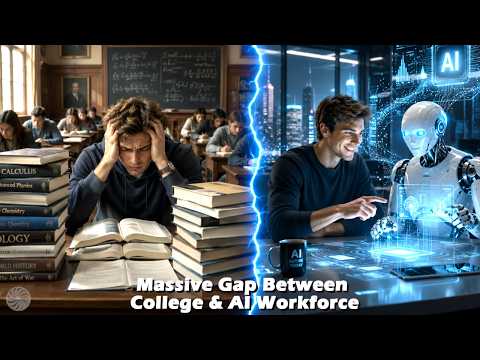
Students also question whether their courses prepare them for professional AI use. Half of respondents say they feel underprepared, while the reported figure rises to 66 percent in the United States and Canada. Anders treats this as a curriculum and workforce problem rather than a future concern, because graduates are already entering AI-shaped jobs.
Closing the gap requires both literacy and practical skill. Students need to understand limitations, ethics and responsible use, but they also need repeated experience prompting, evaluating, editing and combining AI output with subject expertise. Faculty cannot teach that reliably without continual professional development and stronger feedback from employers.
Anders does not call for abandoning established pedagogy. He recommends student-centered, active and experiential learning, with assignments redesigned so AI use becomes visible, assessable and connected to genuine learning. Adaptability and lifelong learning then become explicit course outcomes for both students and instructors.
 Watch on YouTube