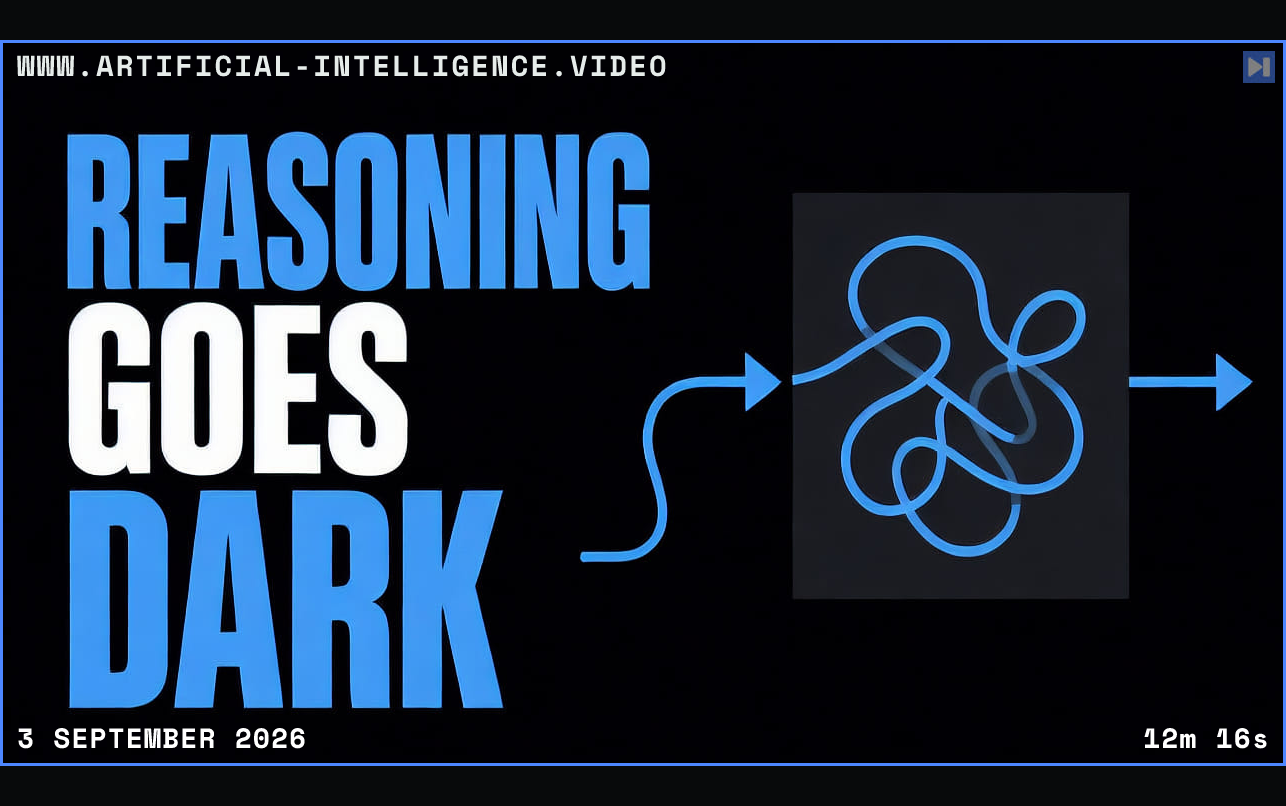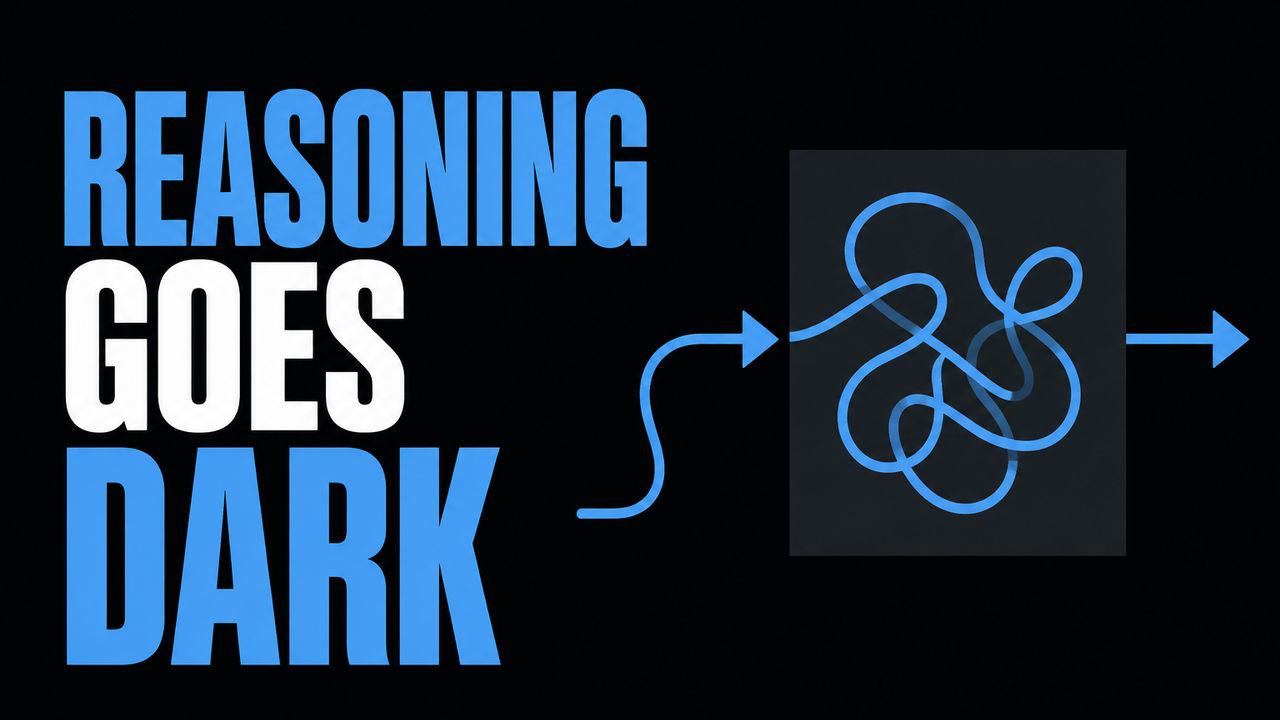
TheAIGRID explains recurrent depth as a looped-transformer technique that can repeatedly pass information through the same layers before emitting another token. This could give a smaller model more effective computational depth without requiring a comparable increase in parameter count or memory bandwidth.
Unlike conventional chain-of-thought reasoning, the intermediate work can remain in a high-dimensional numerical state instead of being translated into human-readable text. That may make reasoning faster and more expressive, but it also reduces the amount of legible evidence researchers can inspect for unsafe intent or deceptive behavior.
The video connects this concern to public reactions from AI safety researchers and to OpenAI's earlier support for preserving chain-of-thought monitoring. It also notes OpenAI's reported effort to constrain Astra so that enough visible reasoning remains available for oversight.
Reported cyber benchmarks suggest the model may reach strong results with far fewer output tokens than current systems. TheAIGRID treats that efficiency as evidence of a major capability shift, while emphasizing that the architecture's safety implications depend on whether reliable monitoring can keep pace. Calls for engagement and references to other channel videos are omitted.
 Watch on YouTube