3D scene generation produces geometry, materials, lighting, cameras, and object placement for a digital environment. The input can include text descriptions, images, diagrams, floor plans, measurements, or reusable assets.
A generated scene may serve as a prototype for visualization, animation, simulation, or a game. It still needs inspection because scale, texture, layout, and physical relationships can be plausible at first glance while remaining technically or visually incorrect.
ELI5
3D scene generation helps create a digital space with objects, surfaces, lights, and cameras. AI can turn a description into a starting scene that a person can inspect and edit.
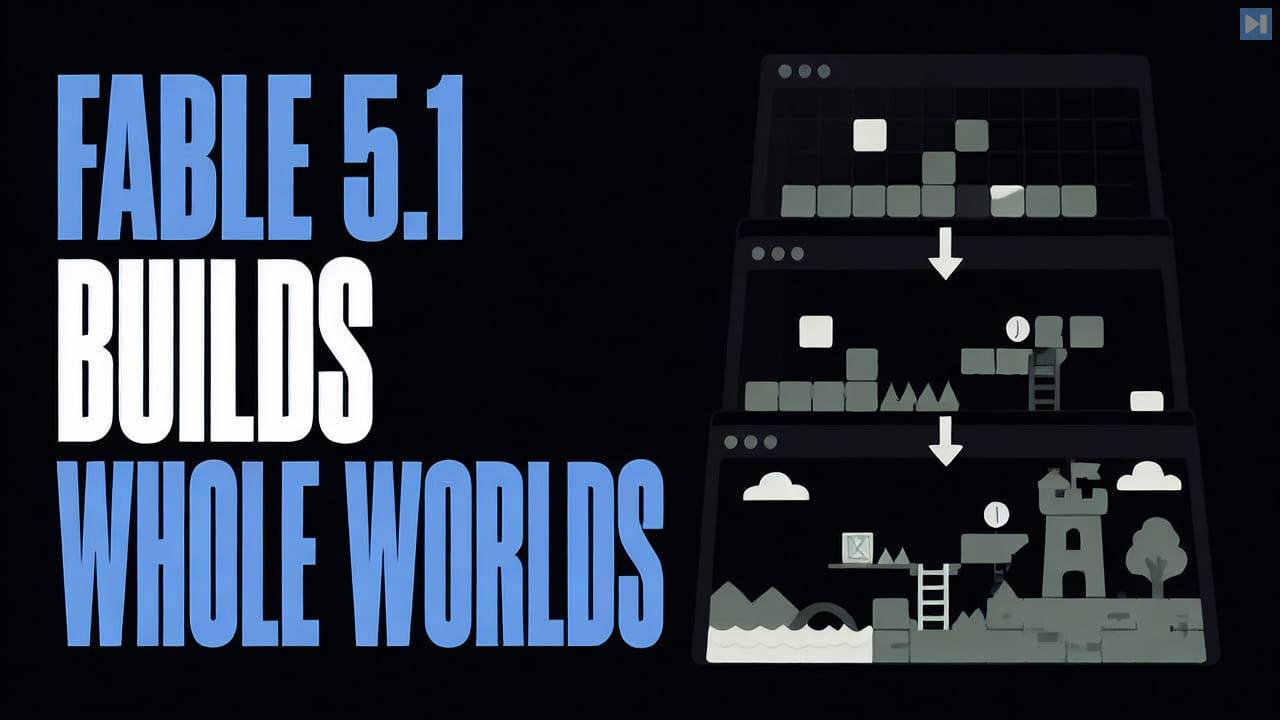
For example, a user can request a Minecraft-like landscape and the system can build blocks, lighting, and a camera in Blender. The creator still checks the geometry and how the scene performs.
What information can guide 3D scene generation?
Text, images, plans, measurements, object libraries, style references, and feedback can all guide the generated scene.
Does a generated 3D scene accurately reproduce the source automatically?
No. Geometry, scale, materials, and placement should be checked against the source and the intended use.