Artificial intelligence is an umbrella term for methods that enable computers to perform tasks commonly associated with intelligent behavior. These methods include machine learning, language models, planning systems, computer vision and other specialized approaches.
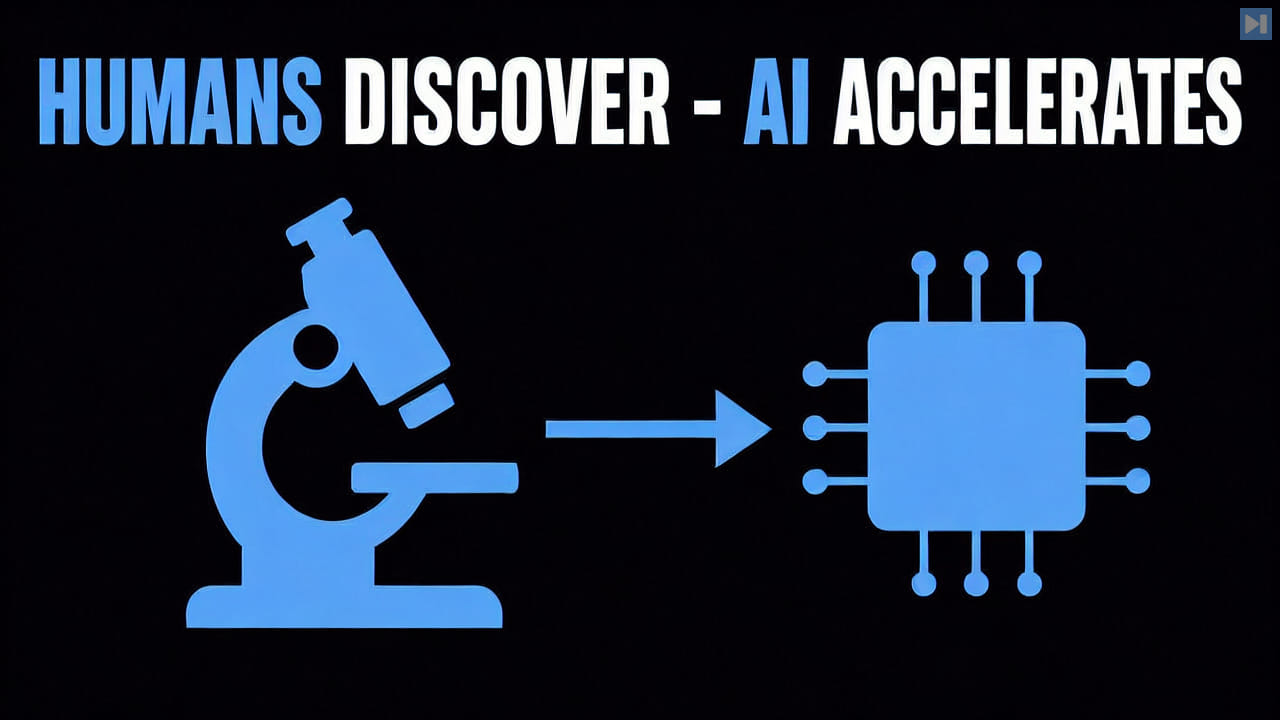
An AI system's output reflects more than a model. Data, prompts, tools, adaptation, interfaces and human judgment can all shape the result. Understanding these components prevents a useful accelerator from being mistaken for an independent source of expertise or insight.
ELI5
AI is a broad name for computer systems that perform tasks people associate with intelligence. Those tasks can include understanding language, recognizing images, finding patterns, planning steps, or supporting decisions.
For example, one AI system can identify objects in a photograph while another can answer questions about a document. Neither system understands or works exactly like a person, and its results depend on its training, tools, instructions, and surrounding software.
What can artificial intelligence do?
AI systems can classify information, generate content, recognize patterns, make predictions and support decisions. Their performance depends on the task, data, model and surrounding workflow.
Does artificial intelligence replace human judgment?
AI can automate effort or assist analysis, but consequential work still benefits from human goals, context, validation and accountability. A model's speed does not make its output automatically correct or meaningful.