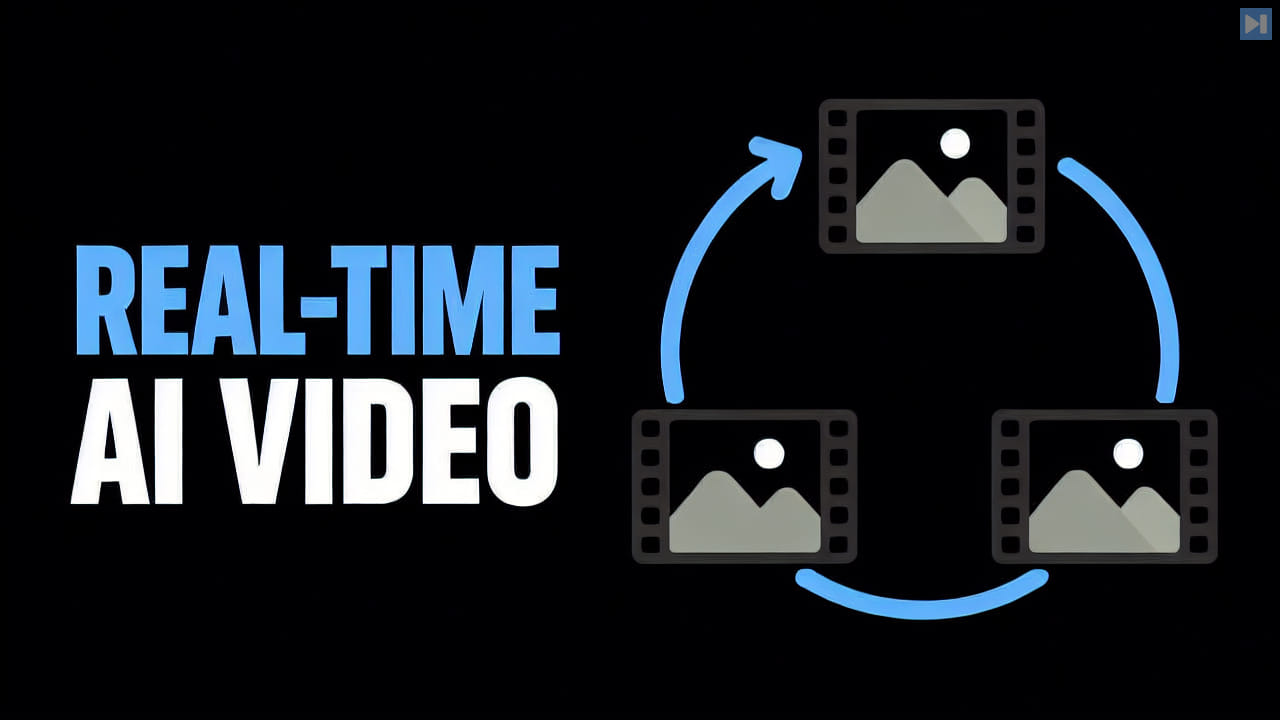
Image-to-video continuity concerns whether generated motion keeps the identity, composition, objects, and style established by a reference image. In a multi-clip stream, the final frame or another selected image can condition the next generation to reduce visible scene changes.
Strong continuity is difficult because each new generation can introduce drift. Useful evaluation checks character appearance, object placement, lighting, camera position, and whether changes follow the requested action rather than occurring arbitrarily.
ELI5
Image-to-video continuity measures whether generated video keeps the identity, objects, composition and style established by a reference image or earlier frame. The motion should change what was requested without randomly changing the scene.
For example, the final frame of one clip can guide the beginning of the next clip. Reviewers check the character, camera, lighting and object placement because small changes can accumulate into visible drift.
How can image-to-video continuity connect separate clips?
A pipeline can pass a frame from the current clip into the next generation as a visual reference alongside the new scene prompt.
What causes continuity drift in generated video?
The model may reinterpret underspecified details, lose identity information, or accumulate small changes across independently sampled clips.