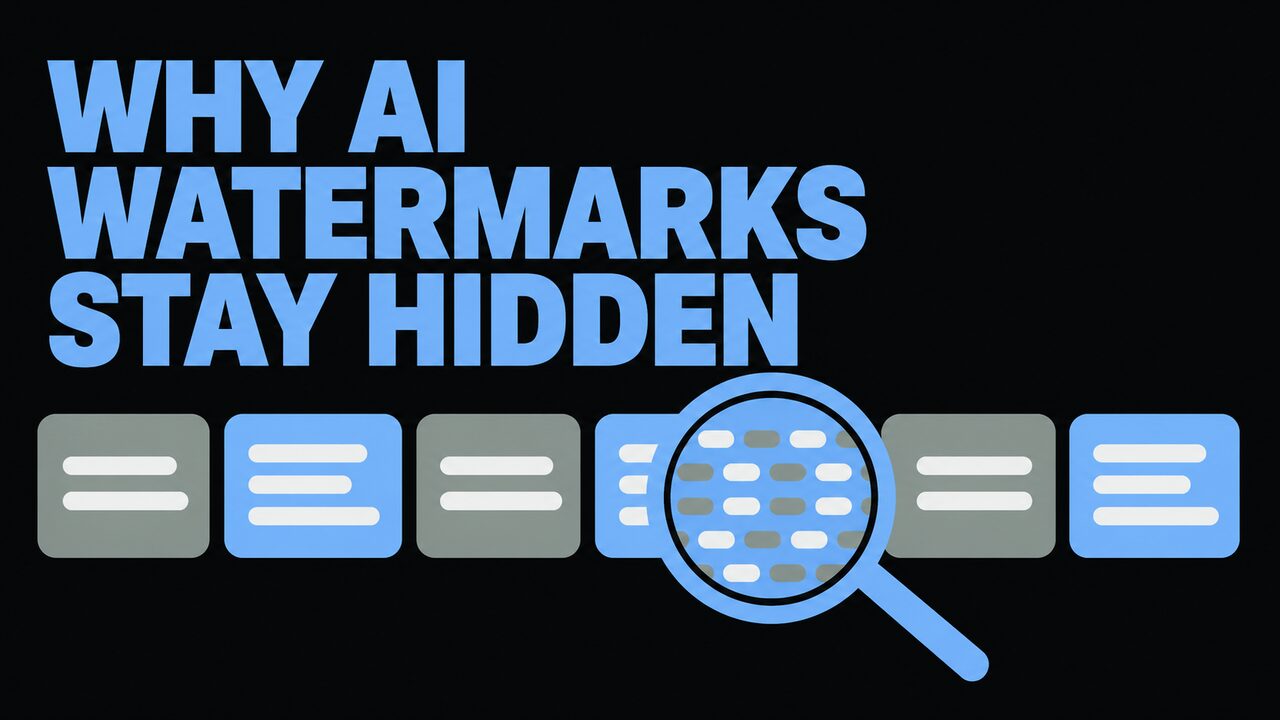
A language model watermark paraphrase attack sends generated text through a person, model, translator, or rewriting system that chooses new wording. Because token-selection watermarks depend on the original sequence and context, the rewritten passage may no longer contain enough keyed preferred outcomes for detection.
Robustness can be evaluated across editing strengths, languages, models, and passage lengths. A detector should not treat an absent signal after transformation as proof that the original text was human-written, because watermark removal and naturally unwatermarked text can look similar.
ELI5
A language model watermark paraphrase attack rewrites watermarked text while trying to keep its meaning. New wording can break the keyed token pattern that the detector expects.
For example, another model can paraphrase a passage and replace many preferred token choices. If the watermark then disappears, that does not prove the original was human-written because rewriting and naturally unwatermarked text can look similar.
Why does paraphrasing weaken a language model watermark?
It replaces the original token sequence, disrupting the keyed choices that carried the statistical watermark signal.
Can watermarking prevent people from editing generated text?
No. Watermarking supports detection under stated conditions but cannot stop copying, rewriting, translating, or paraphrasing.