Robot task sequencing turns a goal into an ordered set of actions. The system must recognize that some steps depend on earlier state, such as locating an object before grasping it or clearing a destination before placing it.
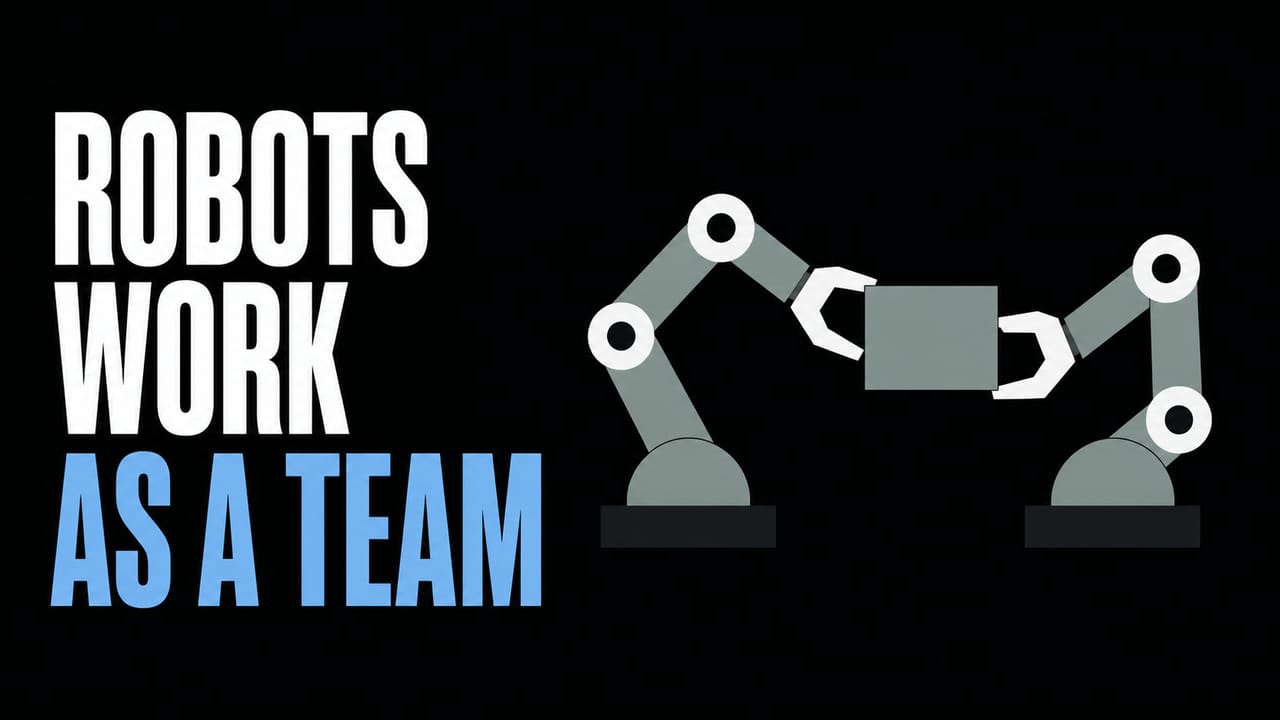
In a multi-robot workflow, the sequence also includes handoffs and synchronization among machines. Execution monitoring can revise the plan when an object is missing, a path is blocked or an earlier action fails.
ELI5
Robot task sequencing arranges physical actions in an order that respects their dependencies. A robot may need to find an object before grasping it and clear a destination before placing it there.
For example, a kitchen robot must open a cupboard before putting away a cup and close it afterward. If an earlier step fails or the path becomes blocked, monitoring can revise the remaining sequence instead of blindly continuing.
How is robot task sequencing different from motion planning?
Task sequencing chooses the order of meaningful actions, while motion planning calculates physical paths and movements for an individual action.
Can a robot change its task sequence while working?
Yes. A capable system can update later steps when perception or execution reveals that the original assumptions no longer hold.