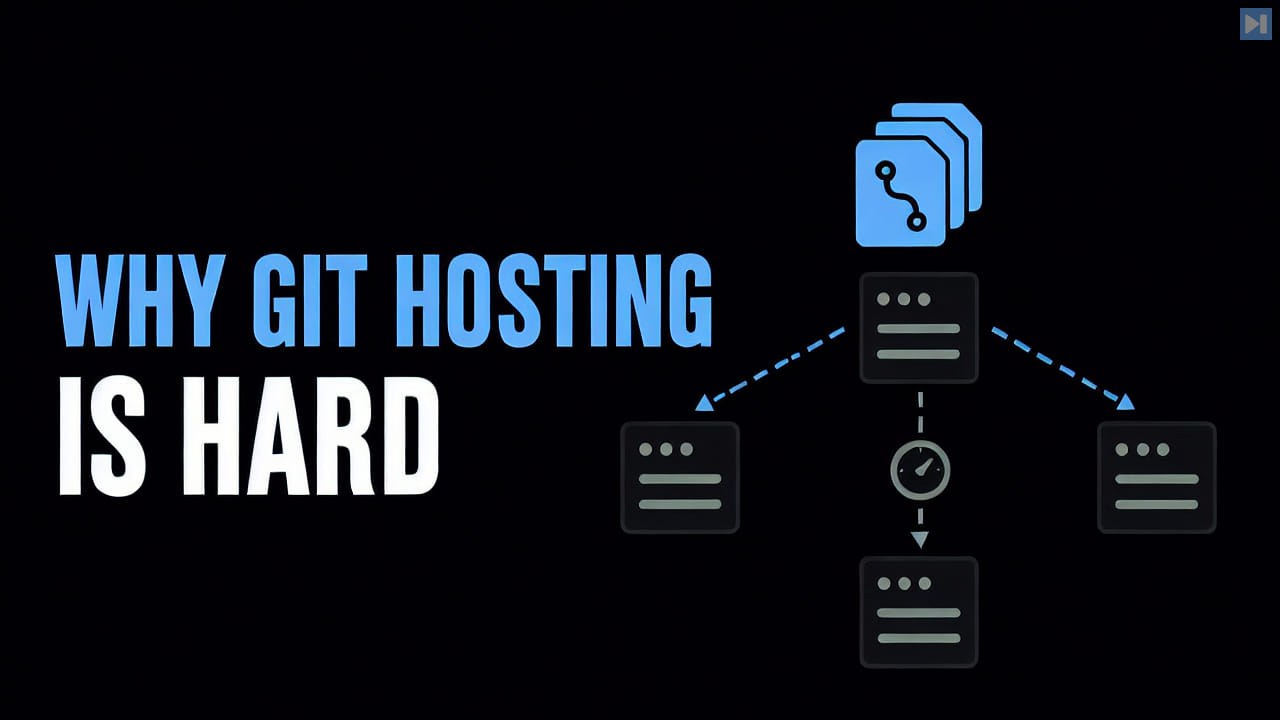
Average latency can look healthy while a small fraction of requests take much longer. Tail latency focuses on those slow outcomes because they often determine user-visible delay in distributed systems.
A request that waits for several replicas or services becomes more likely to encounter at least one slow response as fan-out grows. Coordination protocols must therefore account for the tail, not only typical response time.
ELI5
Tail latency measures the unusually slow requests near the end of a response-time distribution, often using the 95th or 99th percentile. An acceptable average can hide a small group of users who wait much longer.
For example, a request that depends on ten services becomes more likely to encounter at least one slow response. Measuring the p99 delay helps engineers design timeouts, capacity, and coordination for those worst common cases.
What does p99 latency mean?
It is the response time below which 99 percent of measured requests complete, leaving one percent slower.
Why does replication increase tail-latency risk?
A coordinated operation can be delayed by its slowest required participant, and more participants create more chances to encounter one.