Token pricing usually separates input and output rates because generated tokens often require more computation than prompt tokens. Providers may also offer different prices for cached input, long context, batches, service tiers, regions, or particular model versions.
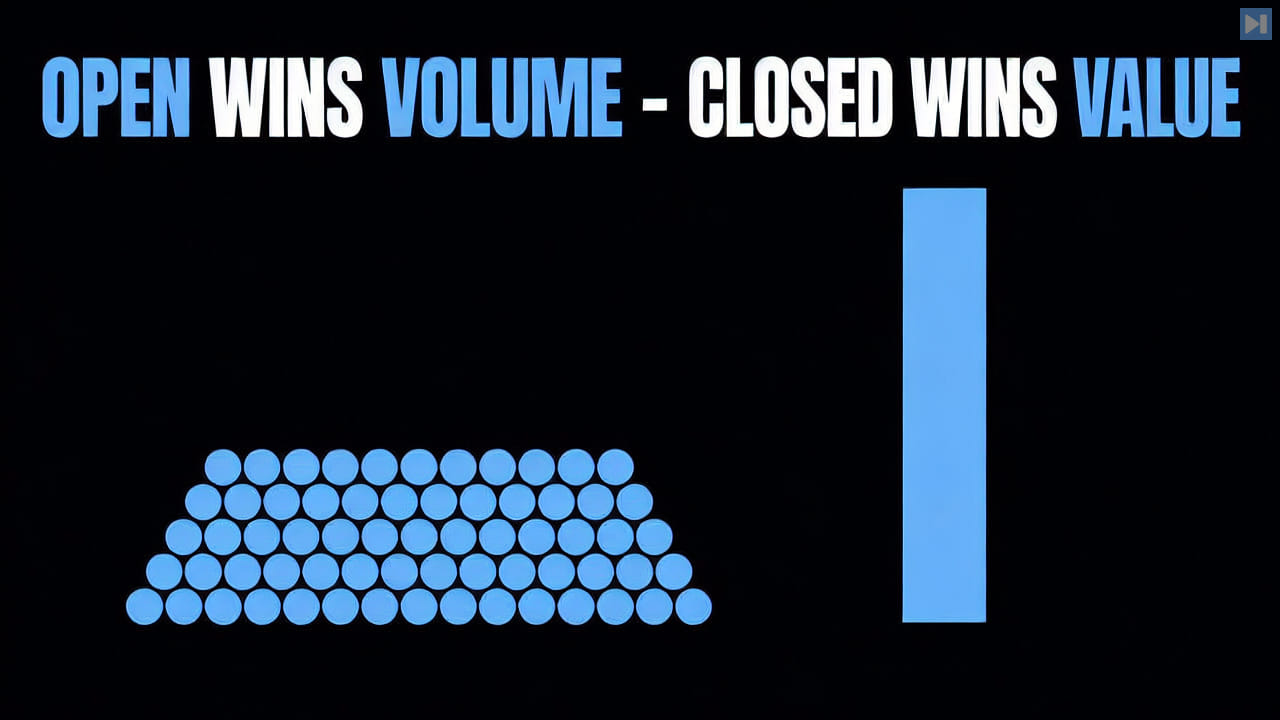
Unit prices do not reveal total task cost by themselves. A model with unchanged rates can still cost more if it generates more tokens, requires retries, or takes more steps, while caching can reduce the effective price of repeated input.
ELI5
Token pricing charges for AI model use according to the amount of input and output processed. Providers often publish separate rates for tokens sent to the model and tokens generated in response.
For example, a cheap model can still cost more for a task if it needs long prompts, several retries, and human correction. The meaningful comparison is the total cost of a successful workflow, not only the price per token.
Why are input and output tokens priced differently?
Reading prompt tokens and generating new tokens use different amounts and patterns of computation, so providers commonly assign them separate rates.
Can unchanged token prices still produce a higher bill?
Yes. Total cost can rise when a model uses more tokens, runs more steps, calls more tools, or needs retries despite unchanged unit rates.