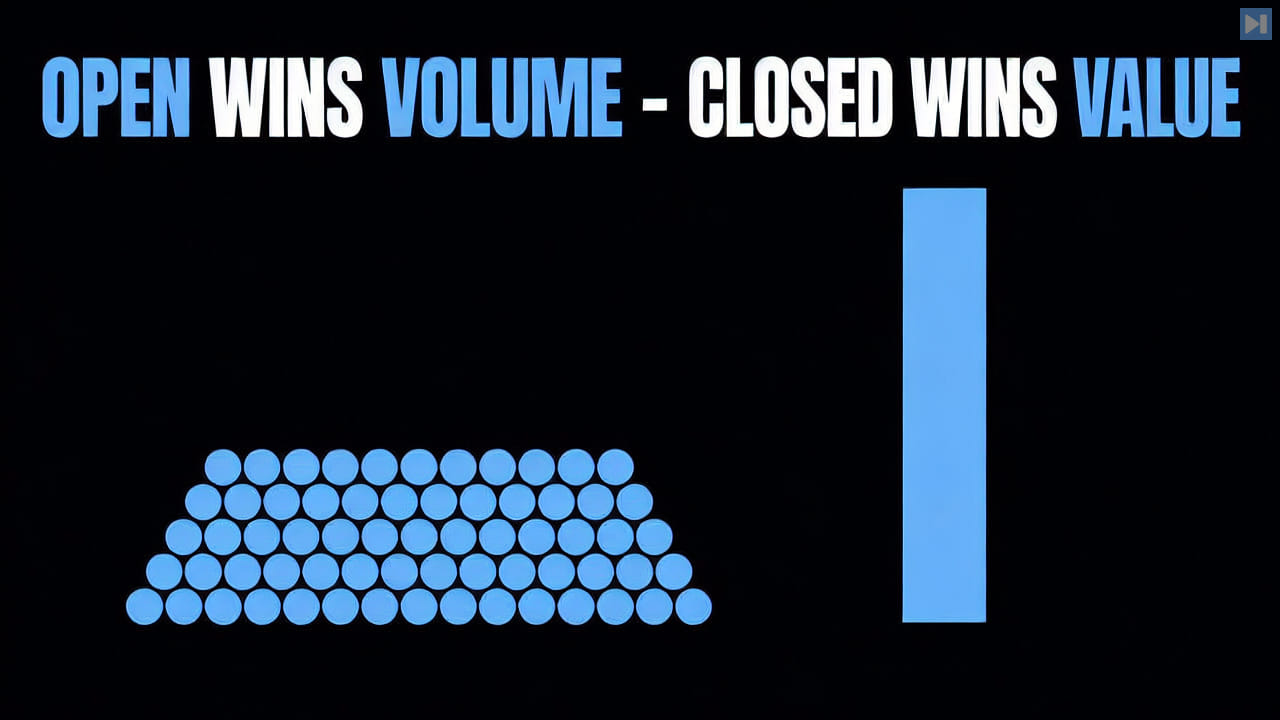
Token volume measures usage rather than unit price. It can be separated into input, output, cached input, reasoning, or other provider-defined categories and aggregated per request, completed task, user, application, or billing period.
Higher token volume can raise cost and latency even when listed rates stay unchanged. Comparisons should account for whether additional tokens improve task completion or merely add verbosity, repeated work, or inefficient reasoning.
ELI5
Token volume is the amount of tokenized input and output processed by AI models during a workload or period. Providers often count input and output separately because they can require different amounts of computing work and have different prices.
For example, a long document prompt plus a short answer may use many input tokens and few output tokens. High volume can mean useful adoption, but it can also come from repeated context, retries, or inefficient automation, so outcome quality matters too.
What types of tokens can token volume include?
It can include uncached input, cached input, generated output, reasoning tokens, and any additional token categories defined by the provider.
Why compare token volume per completed task?
It shows how much model usage was required for a useful outcome and prevents cheap unit prices from hiding inefficient or failed runs.