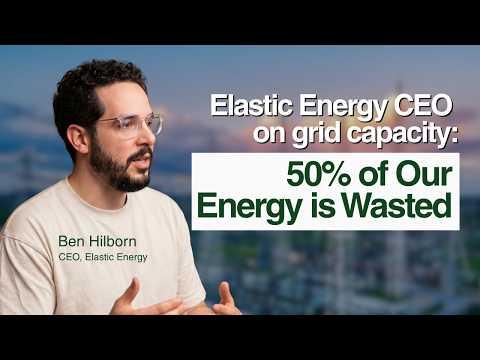
Ben Hilborn, introduced as the co-founder and CEO of Elastic Energy, describes compute and energy as two sides of the same infrastructure problemAI compute infrastructure is the hardware, facilities, networks, power, cooling, storage, and software used to train and run AI models.. Energy producers want more useful demand for their output, while AI data centersA data center is a facility that houses computing, storage, networking, power and cooling infrastructure for digital services. want faster access to reliable power. Ben Hilborn argues that coordinating existing assets can meet both needs more efficiently than treating every shortage as a reason to build an entirely separate system.
Elastic Energy’s proposed energy router applies distributed control at homes, factories, batteries, electric vehicles and modular data centers. Each edge device makes local decisionsEdge computing processes data and makes decisions near the devices or locations where events occur instead of sending every task to a distant central system. while exchanging grid conditions with neighboring devices, creating a federated control loop that can shift demandDemand response adjusts electricity use in reaction to grid conditions, prices, or reliability needs so supply and demand remain better balanced., bring distributed resources online and respond faster than a central operator with limited visibility.
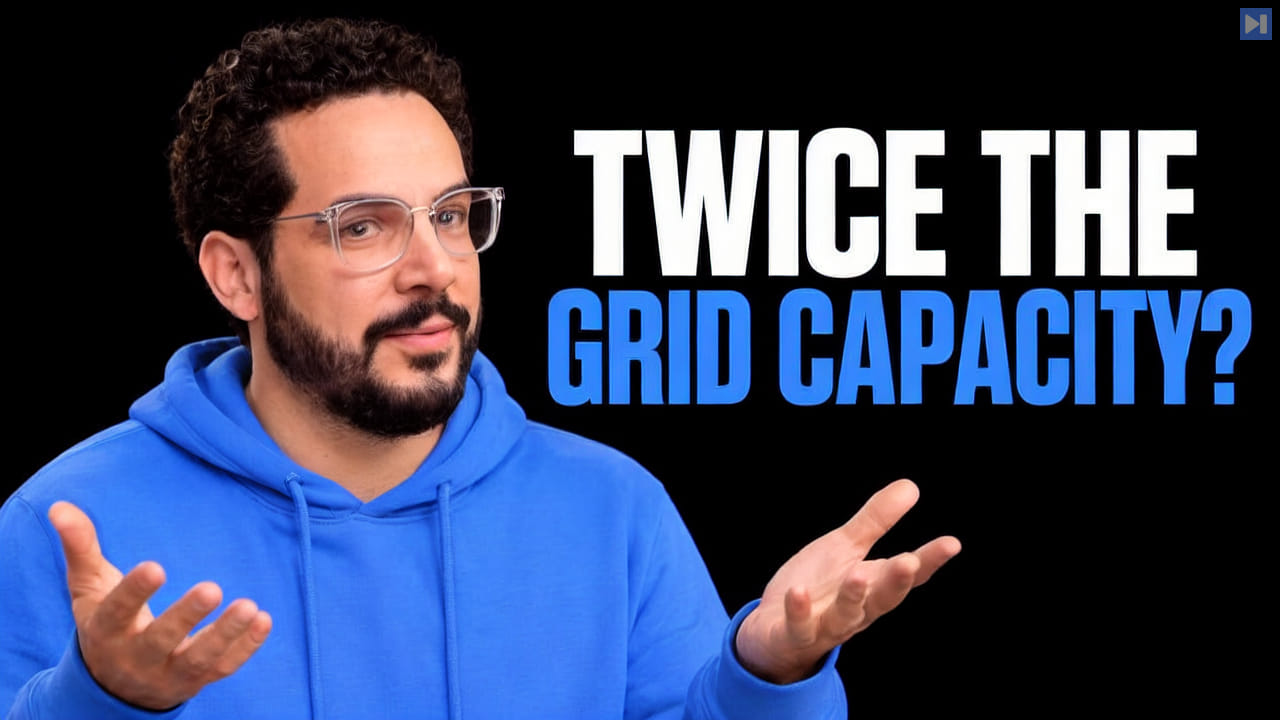
Ben Hilborn cites a study he attributes to Duke that placed average utilization across grid resources at roughly 53 percent. That figure indicates substantial theoretical headroom, but it does not prove that every unused unit can be recovered or that usable grid output can literally double without location, timing, reliability and safety constraints. The central claim is that real-time mapping and coordination could make a meaningful share of currently stranded capacity available.
Ben Hilborn argues that data centers should remain connected to the grid because flexible compute can purchase spare capacityAI compute capacity is the available ability of hardware and supporting systems to perform AI training or inference work over time., help finance shared infrastructure and reduce costs when it behaves as a good grid neighbor. He identifies batteries and schedulable compute as especially valuable tools for absorbing surplus generation, while emphasizing that energy abundance depends as much on coordination and distribution as on new sources such as solar or fusion.
 Watch on YouTube