The discussion reviews a version of ChatGPT designed for teenagers. Its learning featuresAI-assisted education uses AI to support teaching, studying, feedback, research, and learning while educators and learners retain responsibility for educational goals. can detect attempts to shortcut assignmentsAssignment shortcut detection identifies when a learner may be asking AI to bypass the intended learning process and can redirect the interaction toward guided study. and redirect the conversation into a step-by-step study modeStudy mode is an AI interaction mode that guides a learner through reasoning, questions, explanations, and practice instead of immediately supplying a finished answer., while project, writing, research and image tools remain available for constructive work.
The speakers question how easy it will be to bypass assignment controls when many competing models exist. They also warn that overly cautious or condescending responses may drive teenagers away from the protected product, undermining the safety goal even when the underlying policy is well intentioned.
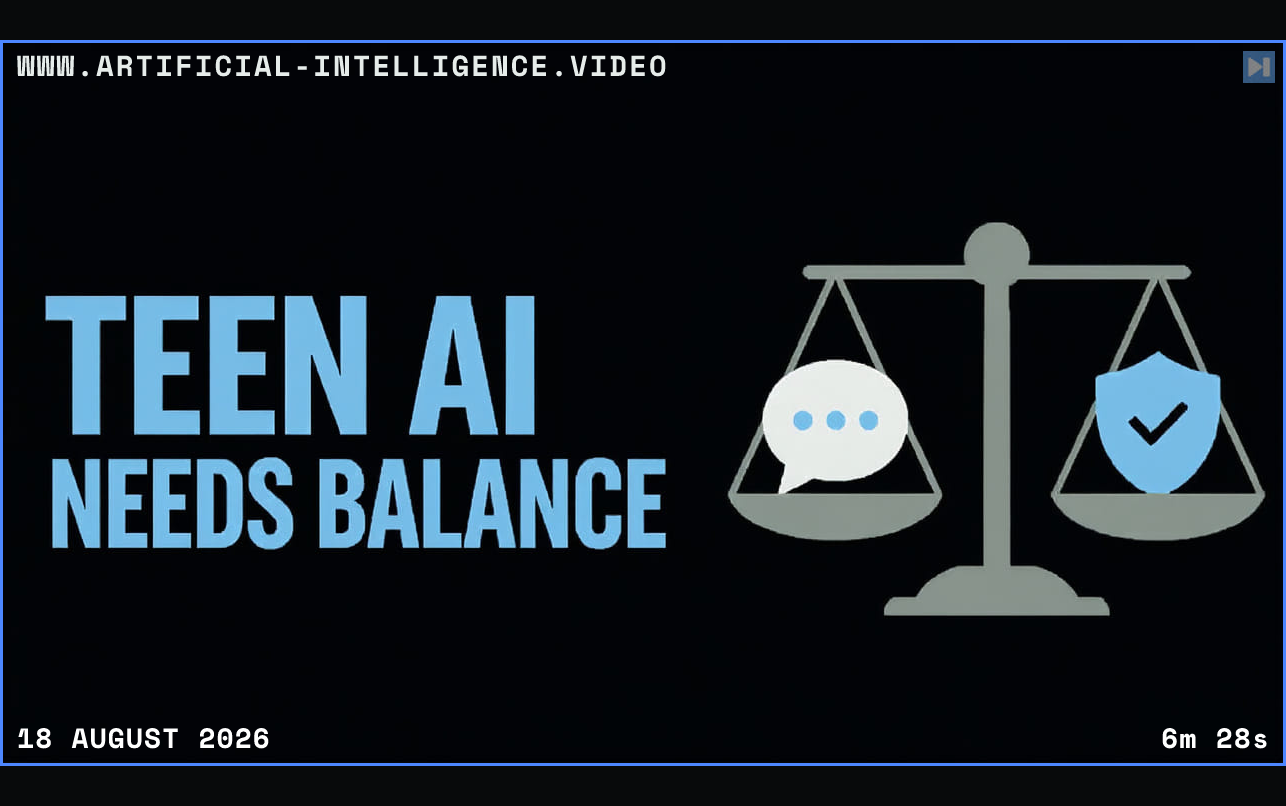
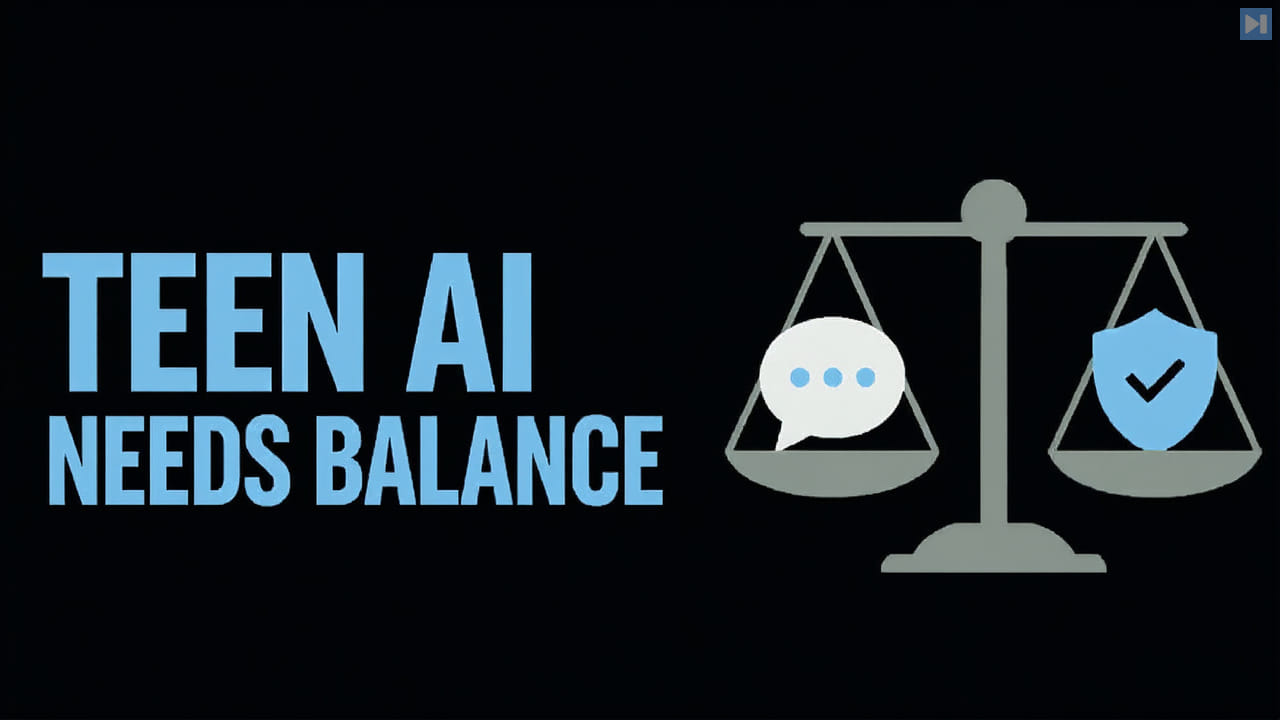
The strongest protections include limits on risky requests, more frequent break reminders, restrictions on health guidance and alerts to linked parents when conversations indicate acute self-harm or violence riskA parental risk alert notifies a linked parent or guardian when an AI conversation with a minor indicates a defined serious and urgent harm risk.. The video frames the design challenge as a balance between critical-thinking support, meaningful safeguardsAI safety is the field and practice of reducing harmful failures, misuse, loss of control, and unintended consequences from AI systems., teenage autonomy and legal risk.
 Watch on YouTube