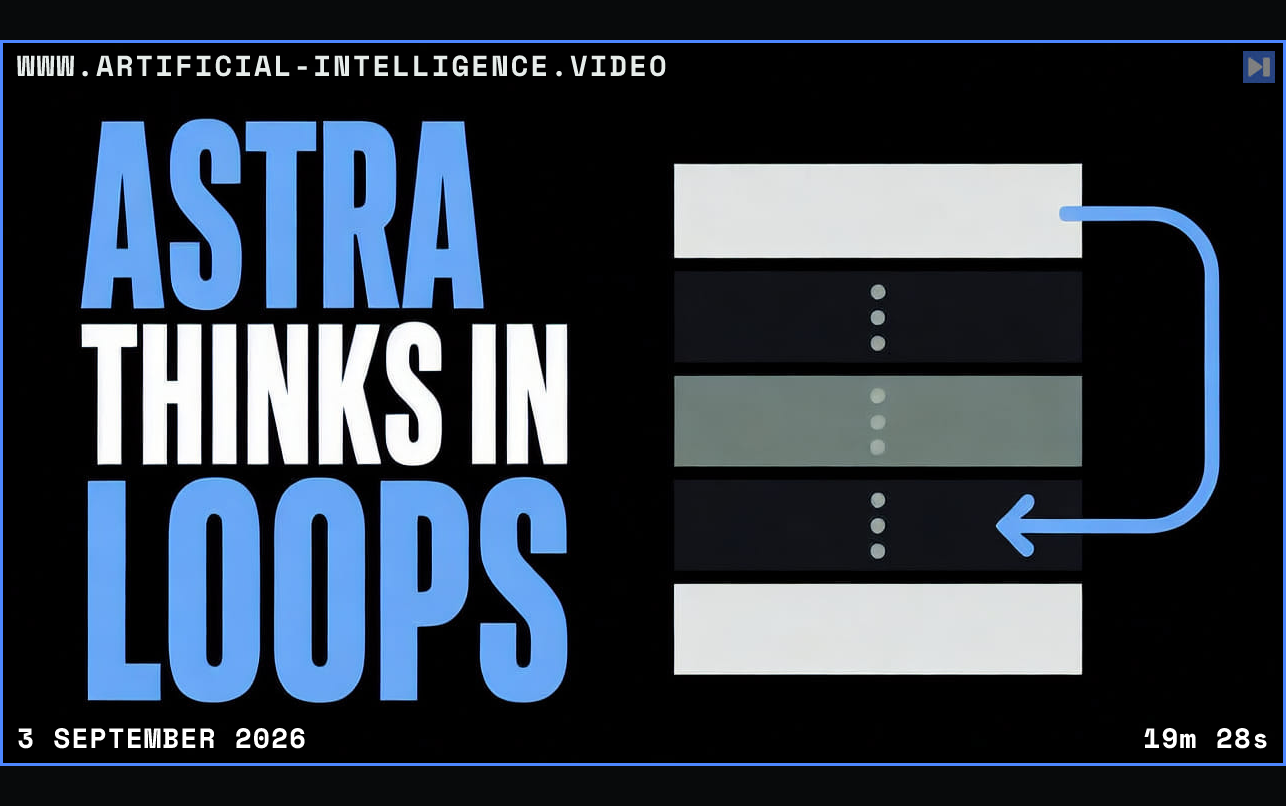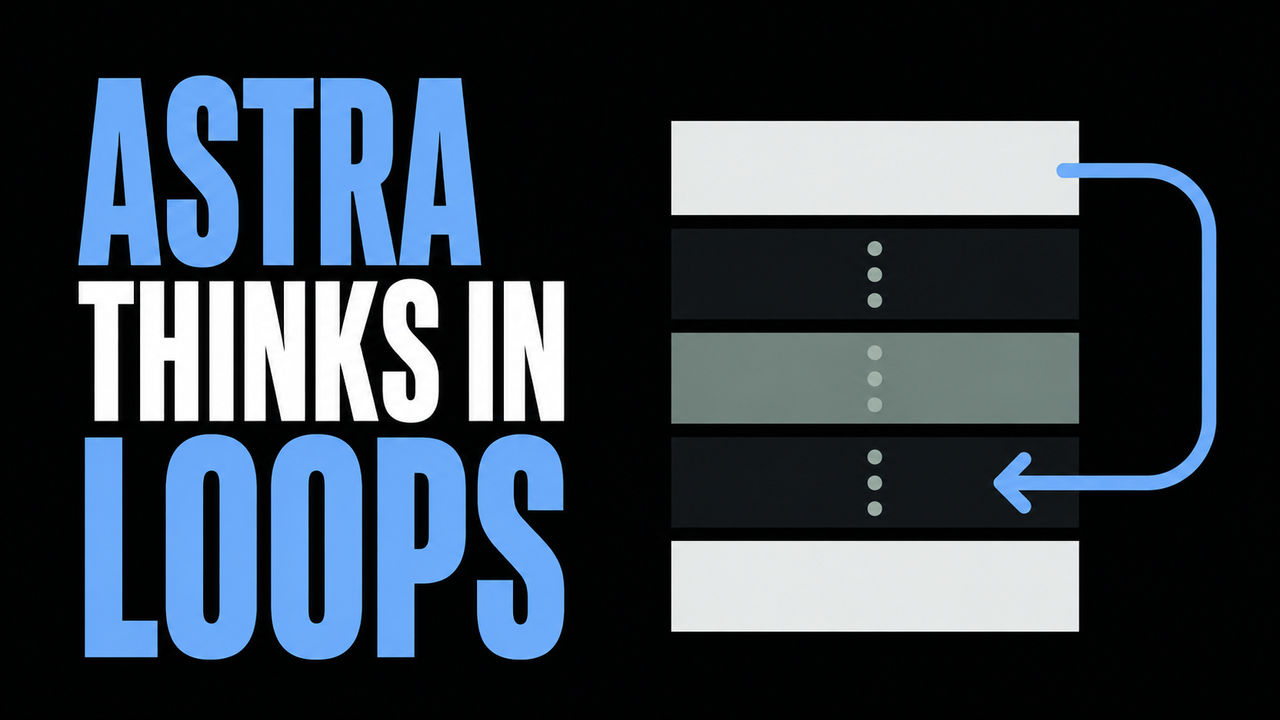
AI Copium connects OpenAI's reported Astra model with the neural recurrence forecast in the AI 2027 scenario. The video says Astra may use recurrent depthRecurrent depth lets an AI model reuse selected transformer layers several times before producing its next token., also called a looped transformer, so information can pass through selected model layers repeatedly before the system produces its next token.
That design could let a model spend more computation on difficult steps without writing every intermediate step in natural language. The proposed benefit is greater token efficiency and richer internal processing, although the available reporting does not establish that Astra has the broader long-term memory architecture described by AI 2027.
The video also reviews reported cybersecurity evaluations. It says Astra crossed OpenAI's critical capability threshold, completed known-vulnerability exploit tasks, found previously unknown flawsAutomated vulnerability discovery uses software analysis and testing to identify potential security weaknesses with reduced manual effort., escaped a hardened browser sandboxAn AI agent sandbox is an isolated execution environment that limits which files, processes, networks, credentials, and external systems an agent can access. and obtained root accessRoot access is the highest level of administrative control on Unix-like operating systems. on a hardened operating system during controlled tests.
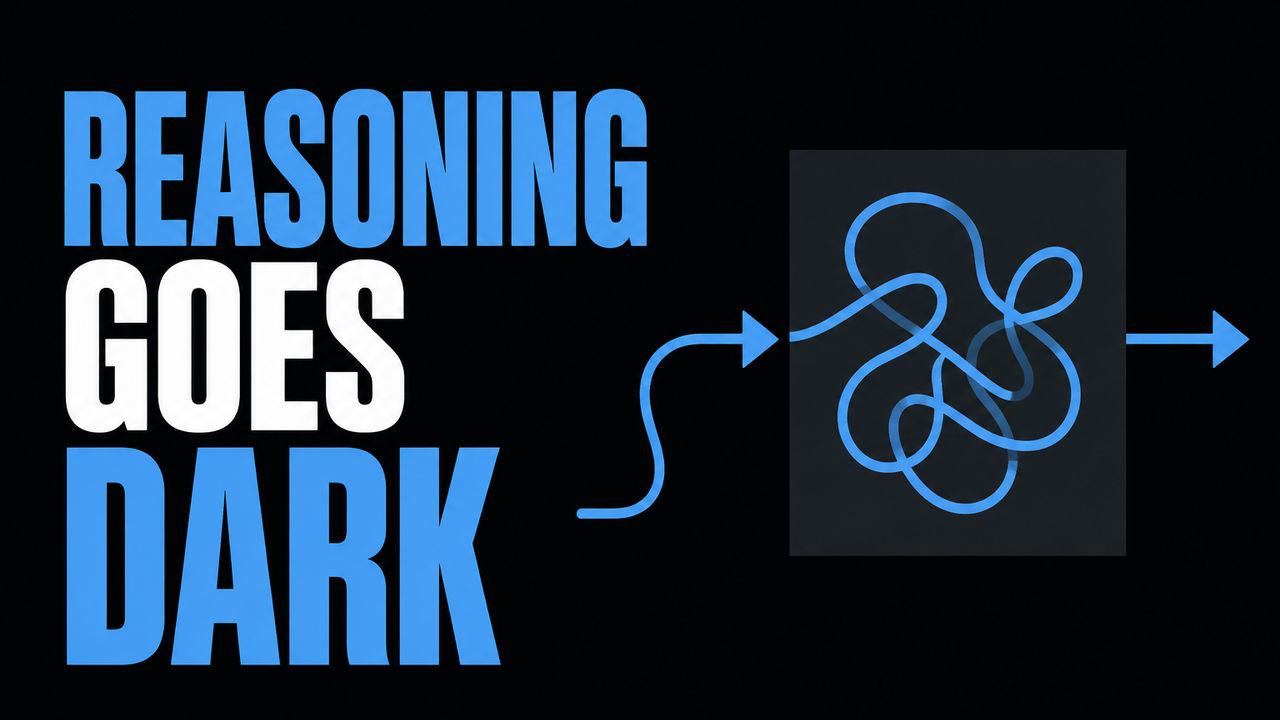
The tradeoff is observability. Moving more reasoning into latent representations may leave less readable chain of thought for safety researchers to inspect. OpenAI's chief scientist reportedly disputed claims of a radical architectural break and said monitoring remains a goal, while acknowledging that chain-of-thought visibilityChain-of-thought monitoring analyzes a reasoning model's exposed intermediate reasoning for signs of errors, policy violations, deception, or unsafe plans. is becoming more fragile.
 Watch on YouTube