Károly Zsolnai-Fehér describes DeepSeek 4.1 Flash's reported speed, selected benchmark results and native visual understanding. He emphasizes that comparisons vary by test rather than claiming the model wins universally.
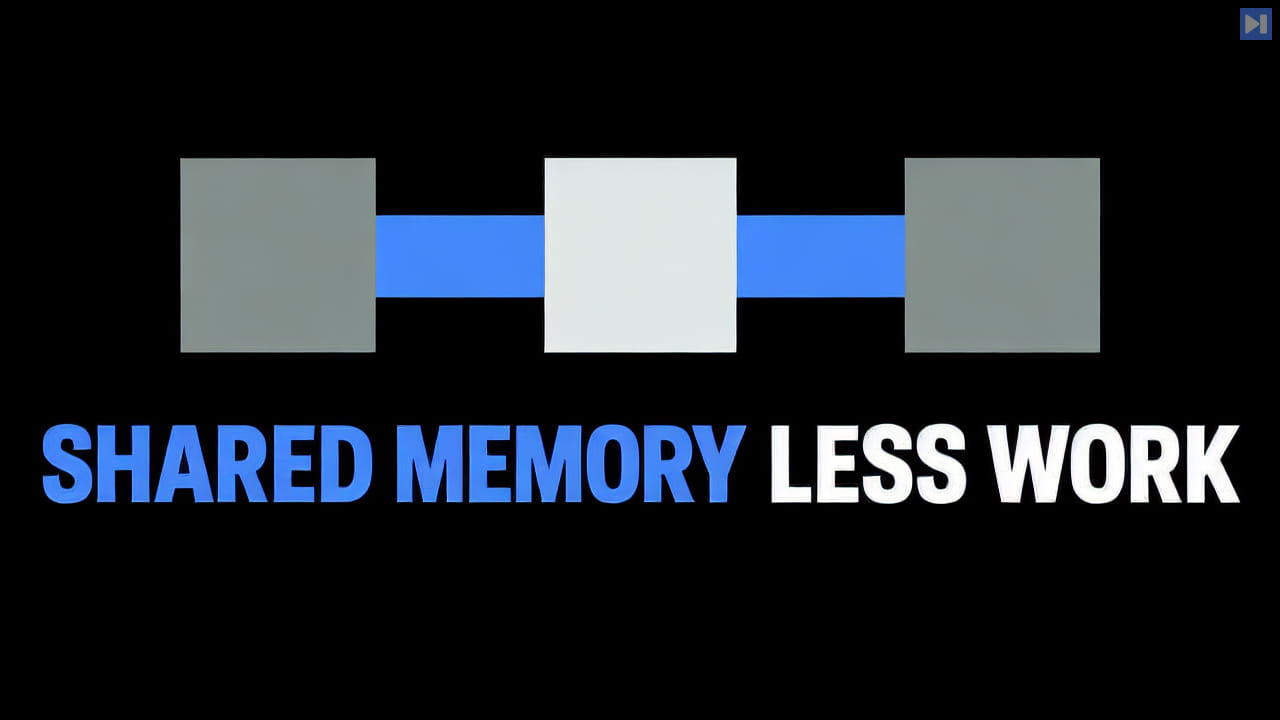
Károly Zsolnai-Fehér explains the encoder-decoder idea behind CSA2: an encoder creates shared global memory that the decoder reads, reducing the need for every layer to maintain its own history. He presents the smaller KV cache as a significant memory-efficiency improvement, not a claim that the full model is small enough for ordinary home hardware.
Károly Zsolnai-Fehér discusses image-to-game experiments and compares other models on reproducing a physics paper. He also cautions that DeepSeek can consume many reasoning tokens and still has a very large parameter footprint, so lower memory overhead does not eliminate deployment costs.
 Watch on YouTube