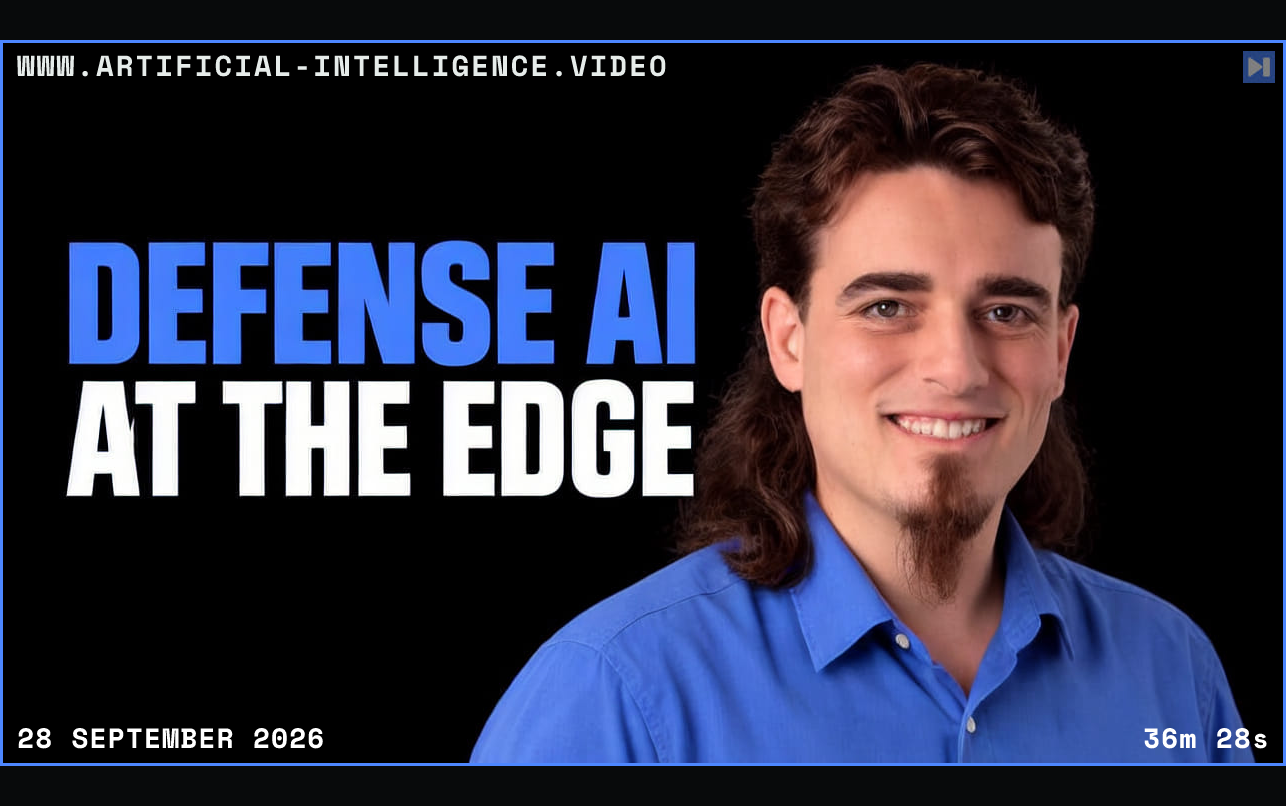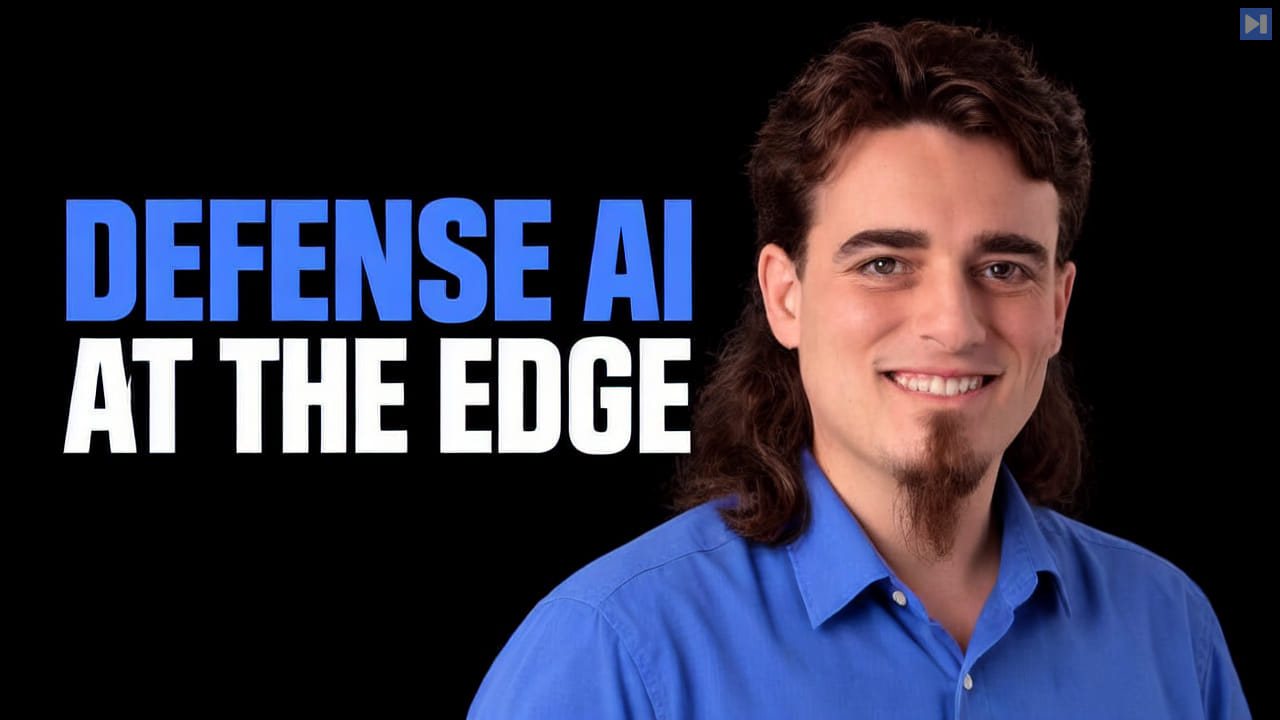
Palmer Luckey discusses how autonomous sensing could support wildfire detection and proportionate response. The conversation separates technical feasibility from adoption and institutional incentives, and introduces his broader view that malicious human use of AI deserves more attention than sensational extinction claims.
Palmer Luckey favors distributed autonomy for defense systems that must function without reliable communications. Jamming, underwater operation and revealing radio emissions make constant dependence on a central controller fragile. He distinguishes specialized sensor-processing systems from nondeterministic text-generating models.
Palmer Luckey explains why Anduril is not building humanoid robots. Purpose-built systems can outperform a universal robot on demanding tasks, while other companies may achieve economies of scale for general humanoids. General robots may still help operate infrastructure designed for people.
Palmer Luckey contrasts product-led development with traditional defense procurement. Self-funded prototypes can demonstrate useful capabilities before a contract, but purchasing practices and industrial consolidation affect which ideas reach deployment. He argues that entrepreneurship remains valuable where institutional incentives resist change.
The discussion also covers virtual-reality comfort and the responsibilities of technology founders. Palmer Luckey highlights moving weight and heat away from the face, and argues that AI assistance does not remove the need to manage architecture, funding, organizations and legal responsibility.
 Watch on YouTube