Raymond Weitekamp argues that reliable outcomes require better specification, management and verification of agent work. He describes recursive language models as treating context as data that code and delegated model callsAI agent delegation assigns a bounded task, context, authority, and expected result from one participant to an agent or another agent. can inspect and divide.
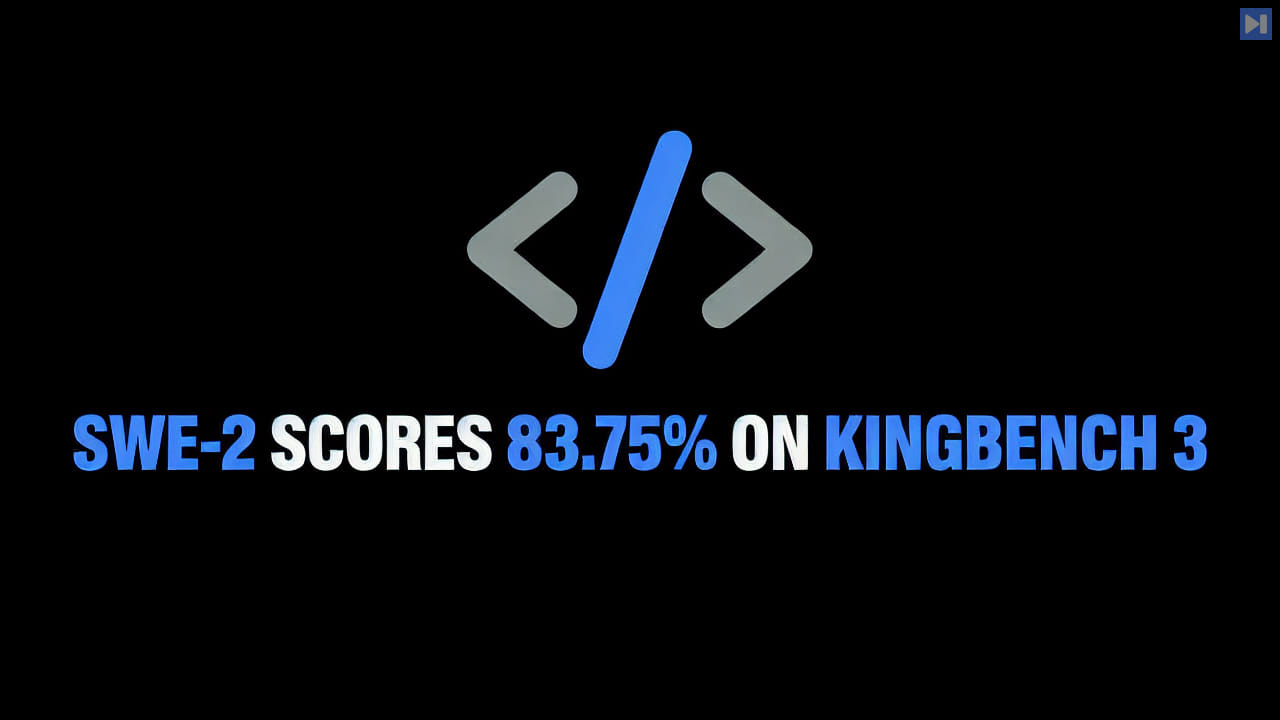
He discusses his benchmark experimentsEvaluation is the systematic assessment of a system's behaviour or results against explicit criteria. and a rubric distinguishing model-directed decomposition from fixed map-reduce pipelines. His reported results are presented as his own experimental claims, with different harness rules affecting comparisons.
Weitekamp presents a recursive Pi extension and describes Claude Code dynamic workflows and OpenProse. Examples include repository investigations, migrations, audits and converting successful sessions into reusable programs with explicit dependencies and checksWorkflow automation uses software or AI to complete a connected sequence of routine steps with less manual effort..
 Watch on YouTube