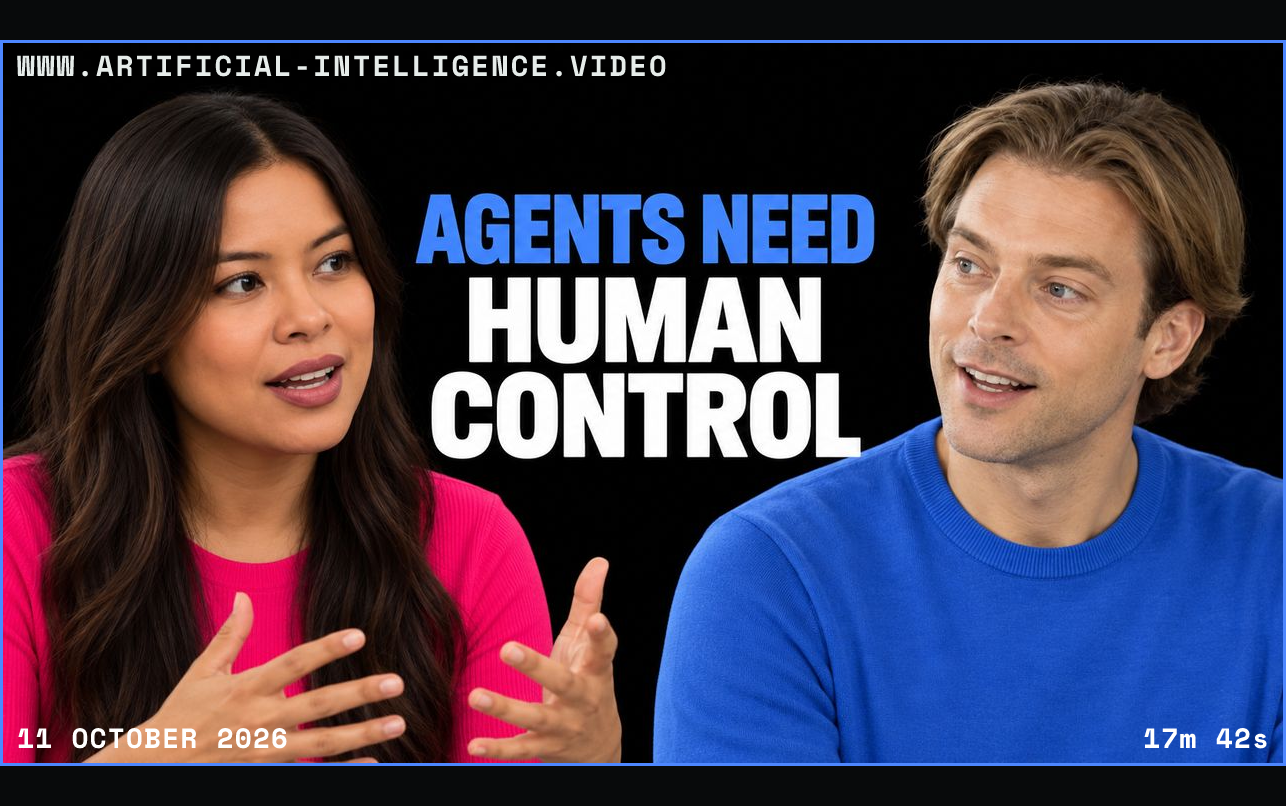
Robert Vis, founder and CEO of Bird, joins Sophia Dew to discuss communications infrastructure for AI agents. Robert Vis describes a harness that lets developers and agents use email, text messages and other channels while people retain control over identity, permissions and sensitive actions. The interview presents Bird's approach rather than independently demonstrating its security.
Robert Vis argues that adoption inside ordinary businesses is moving more slowly than Silicon Valley enthusiasm suggests. Robert Vis connects Bird's smaller workforce to both AI-assisted efficiency and a different operating model, including individual responsibility and fewer management handoffs. The conversation does not establish automation as the sole cause of the headcount reduction.
Robert Vis also explains Bird's reported debt financing as a way to give shareholders liquidity while remaining private. Robert Vis links that option to the company's profitability and long operating history. The financing discussion provides business context, not investment advice or a verification of Bird's accounts.
Robert Vis expects agents to take over repetitive tasks while people increasingly direct and judge their work. Robert Vis distinguishes entering invoice data from deciding how it should be treated financially, and acknowledges short-term job disruption alongside a more optimistic long-term view. These are the guest's expectations, not a fixed timetable for the economy.
 Watch on YouTube