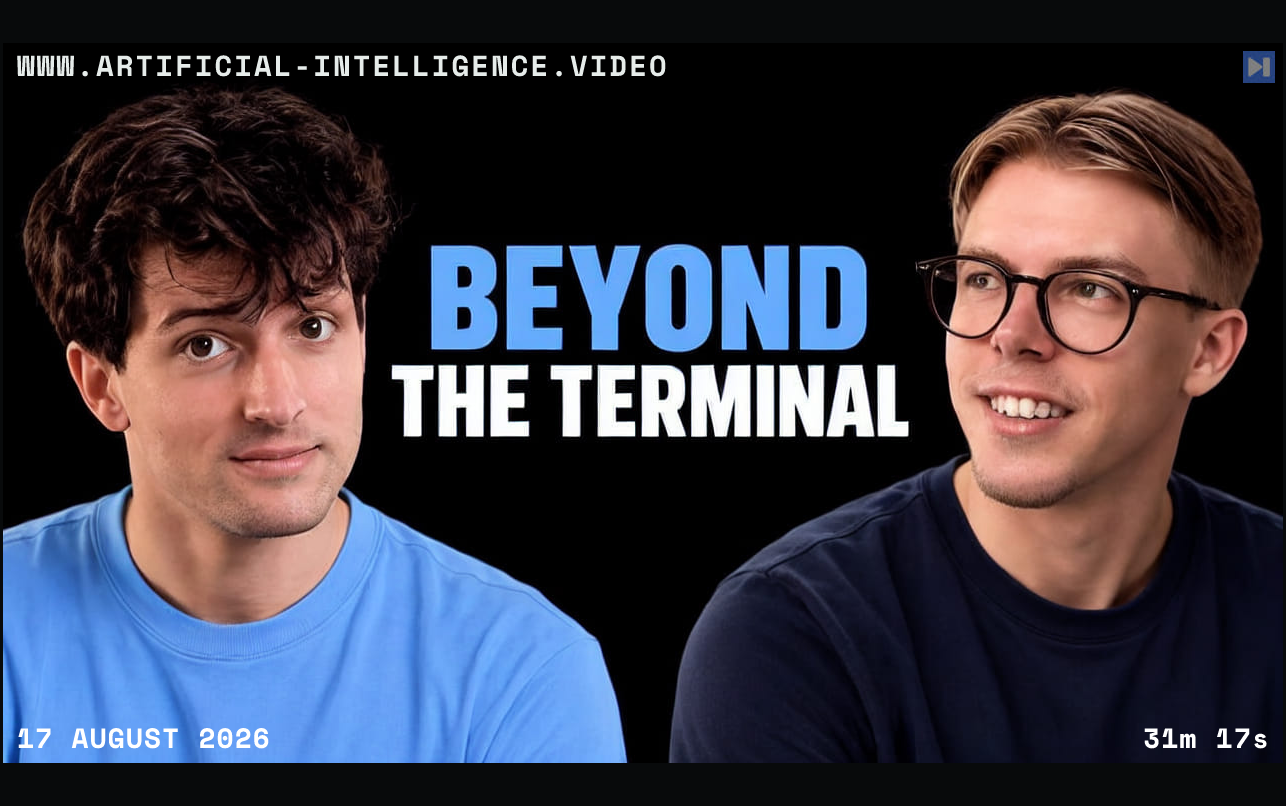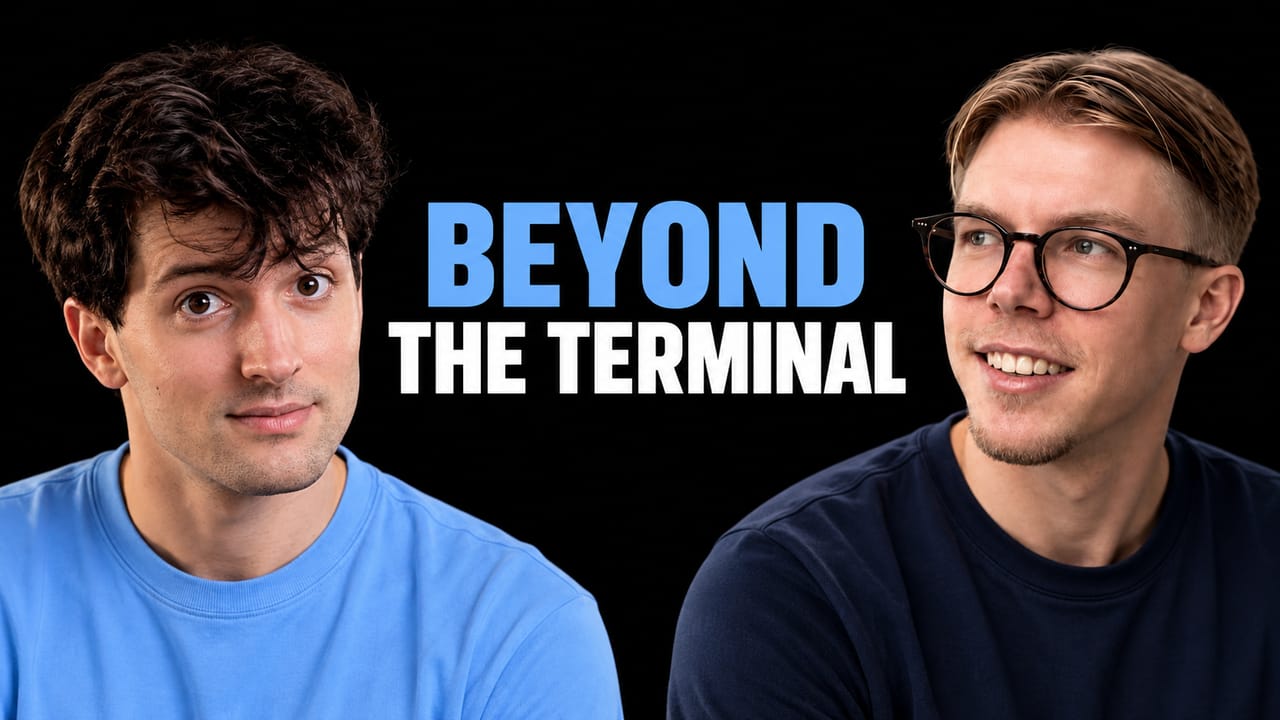
Theo Browne describes moving away from a terminal-first workflowA command-line interface lets a user or program operate software by entering textual commands and reading its responses. as his work shifted toward managing multiple AI coding agentsA multi-agent system contains multiple AI agents that interact, coordinate, divide work, or influence one another while pursuing tasks.. He argues that manually tracking terminal panes, sessions and worktree paths adds mental overhead when the number and shape of active projects keep changing. Project and thread views give him a clearer overview of work in progress.
Theo Browne identifies image handling and navigation as practical advantages of graphical tools. Pasting a screenshot, inspecting it in context, selecting formatted text and switching between tasks require less setup than the terminal and SSH combinations he previously maintained. His experience with agent managers and the Codex app helped change his preference, although he still uses terminals for some remote administration.
Theo Browne explains that long-running agent tasks made connection durability and execution location more important. Laptop sleep, unreliable mobile connections and resource-heavy local sessions interfered with when he could start work. Separating the interface from execution on another computerA cloud computer is a remotely hosted computing environment that provides applications, files, networking, and execution without running directly on the user's device. lets him describe a task, close a client and return from another device while the work continues.
Theo Browne discusses T3 Code as one implementation of this separation, built around WebSocket communication rather than tying all interactions to Electron RPC. The technical account focuses on consistent project and thread controls, local provider integrations and remote access across desktop, browser and mobile clients. He frames these as responses to workflow frustrations rather than evidence that one model is universally better.
Theo Browne also argues that open-source interfaces matter because developers can inspect and adapt their tools instead of waiting for a vendor to fix regressions or add features. His conclusion is a personal workflow argument for graphical agent management, especially with multiple concurrent tasks, rather than proof that terminals are unsuitable for every developer.
 Watch on YouTube