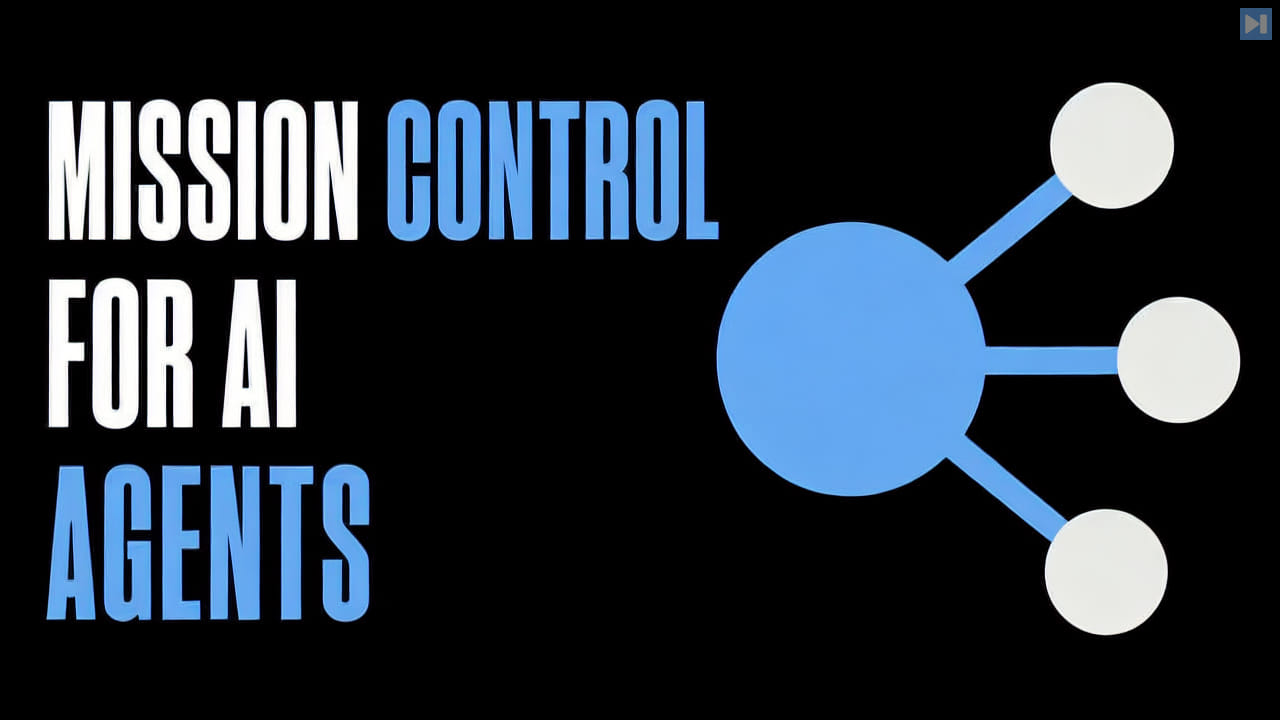
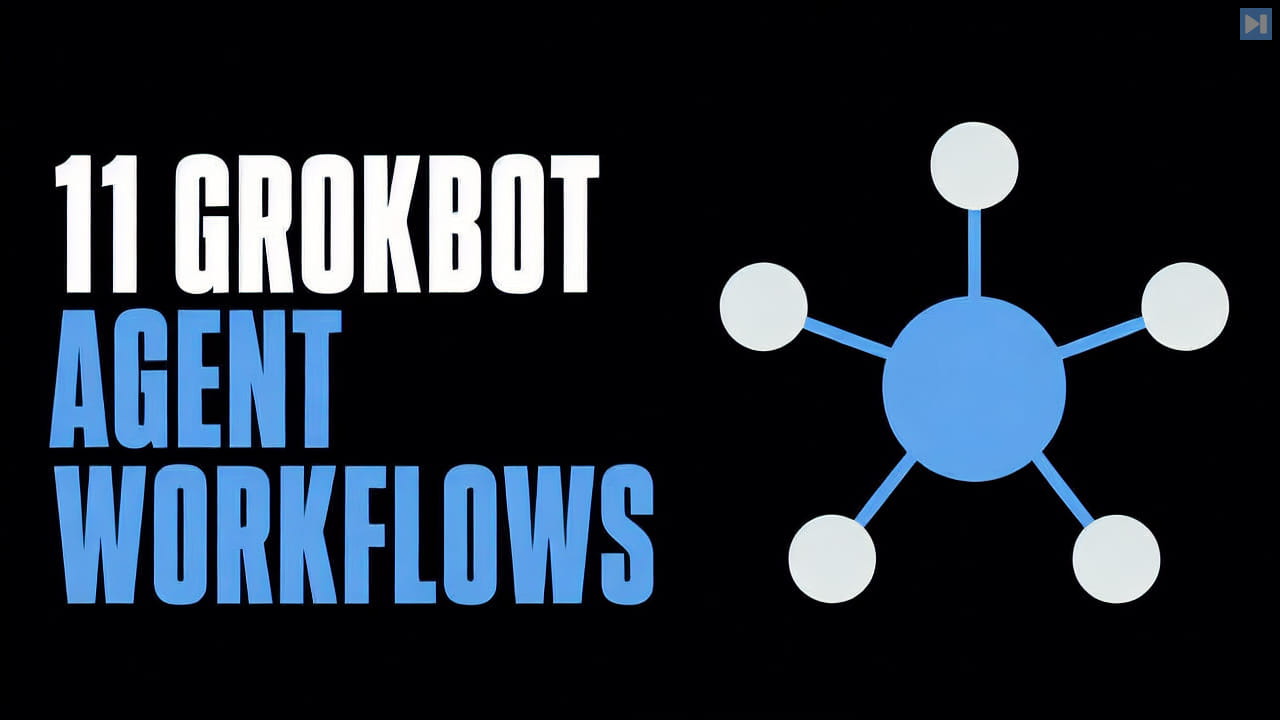
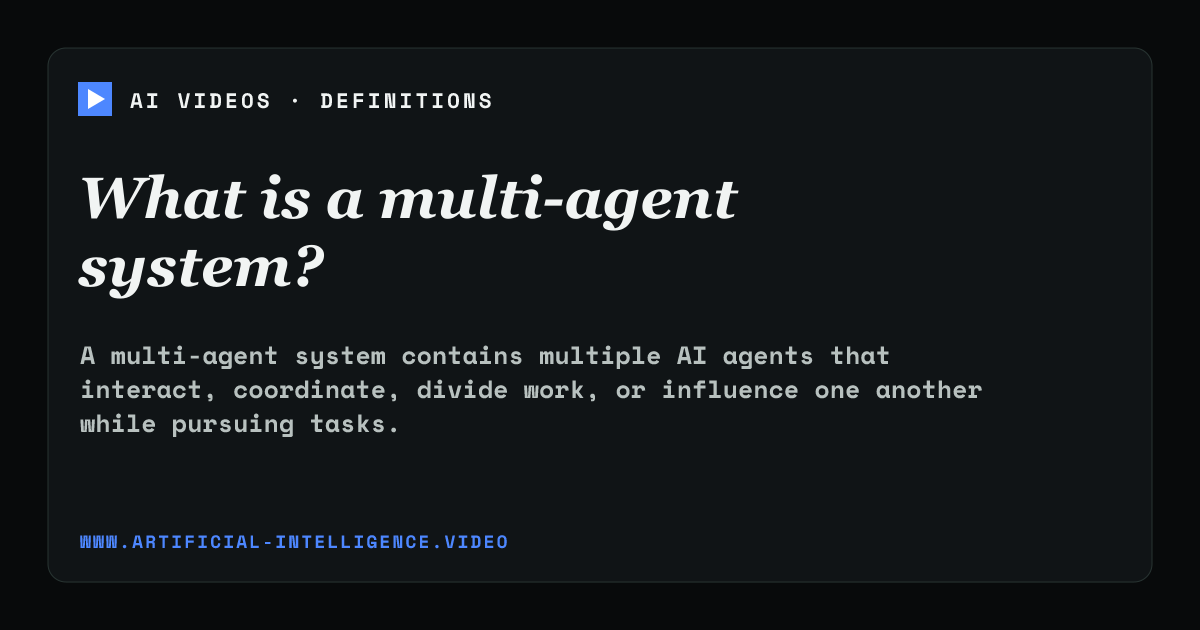
A multi-agent system gives separate agents their own roles, tools, context, models, or environments while providing ways to exchange tasks and results. This can keep each agent focused and let specialized work proceed independently.
Multiple agents create coordination and accountability needs. The system must define ownership, authenticate handoffs, limit permissions, track progress, handle failures, and verify that combined results satisfy the overall goal.
ELI5
A multi-agent system uses several AI agents together instead of asking one agent to do everything. Each agent can have its own job, information, and tools, while the overall system coordinates their results.
For example, one agent might research a question, another check the evidence, and a third turn the approved findings into a report. This can be faster, but the agents need clear roles so they do not repeat work or contradict one another.
Why use several AI agents instead of one?
Separate agents can specialize, reduce context overload, isolate permissions, work concurrently, and make task ownership more visible.
What risks do multi-agent systems add?
They add coordination failures, conflicting actions, unsafe delegation, duplicated work, invalid handoffs, and errors that spread between agents.