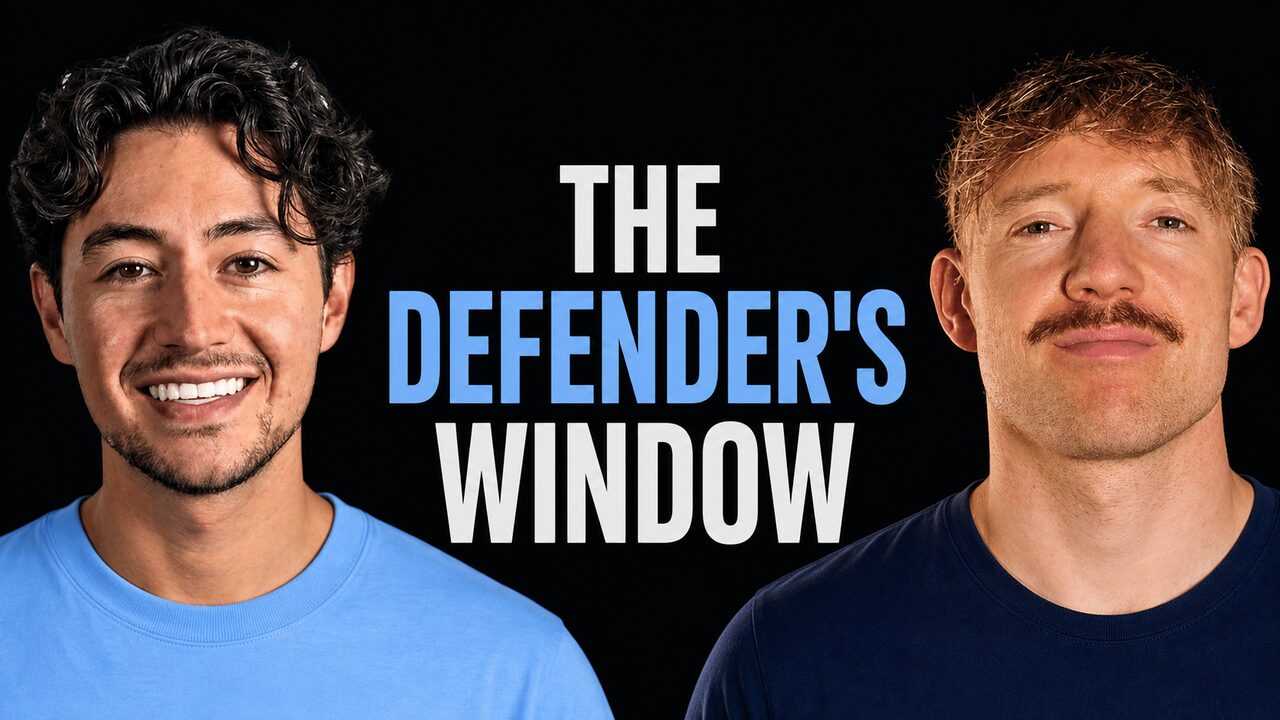
Theo Jaffee asks Tulsee Doshi how coding, multimodal capability and deeper reasoning contribute to Gemini 4 Argon's presented 3D performance. She emphasizes complex, persistent tasks and scientific research rather than treating one capability ranking as a universal choice for every user.
Tulsee Doshi tells Theo Jaffee that early access for cyber defenders was intended both to find and patch vulnerabilities and to gather feedback before broader deployment. She describes internal and partner work, including a hospital-system example. These are the product lead's reported results, not an independently verified security assessment.
Theo Jaffee and Tulsee Doshi distinguish extended reasoning for difficult problems from simply producing a very long book. She also describes input protections, model-level safeguards and reasoning monitoring that can intervene when behavior veers off track, while stressing continued monitoring and iteration rather than a finished safety guarantee.
Tulsee Doshi describes internal coding optimization, legacy-feature work and research experiments in conversation with Theo Jaffee. Her account also links the model with agent-first development tools and future product feedback. The summary preserves those intended uses and attributed experiences without repeating subscription invitations, sponsor reads or unverified promises of broad superiority.
 Watch on YouTube