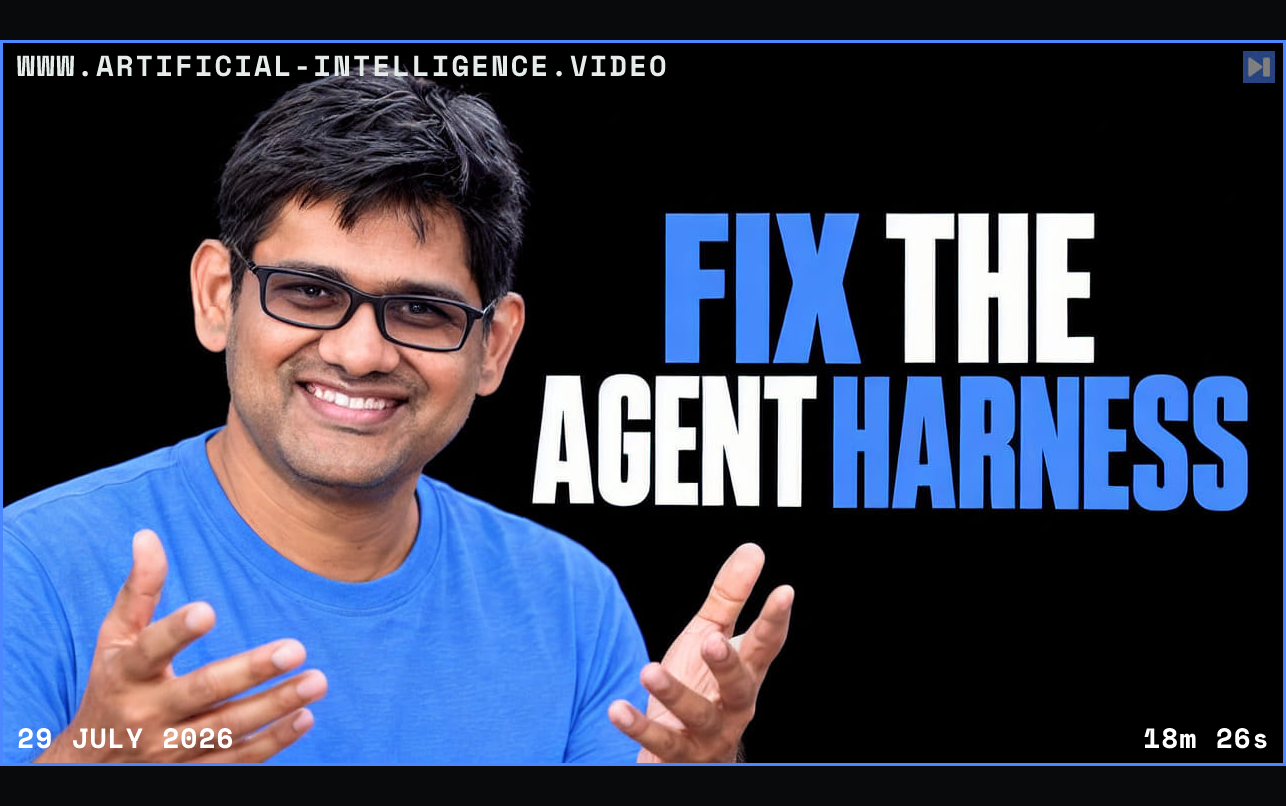
Vinoth Govindarajan uses OpenClaw incidents to distinguish model capability from the surrounding systemAn AI agent harness is the software framework that packages a model with tools, instructions, context management, execution controls, and user interaction.'s reliability. A reply can reach the user while its durable recordAI agent memory is stored information that an agent can retrieve and use across steps, sessions, or changing contexts. is missing, leaving the next turn to reason confidently from incomplete history.
Vinoth Govindarajan examines overlapping writes, tool calls without terminal results, stale approvalsHuman-in-the-loop command approval requires a person to review and authorize a consequential AI action before it executes. and messages accepted internally but never shown to the user. He recommends one ordered commit path per mutable state boundary, bounded waits and authority tied to the exact action, while still allowing independent work to run concurrently.
Vinoth Govindarajan proposes a five-question audit: identify the trigger, inherited state, authority, executed operation and surviving evidenceAn execution trace records the sequence of operations and results produced while a system carries out a task.. The aim is to verify the user-visible outcomeAgent completion verification checks evidence that an agent achieved the requested outcome rather than merely producing intermediate work. and preserve enough evidence to reconstruct failures across turns.
 Watch on YouTube