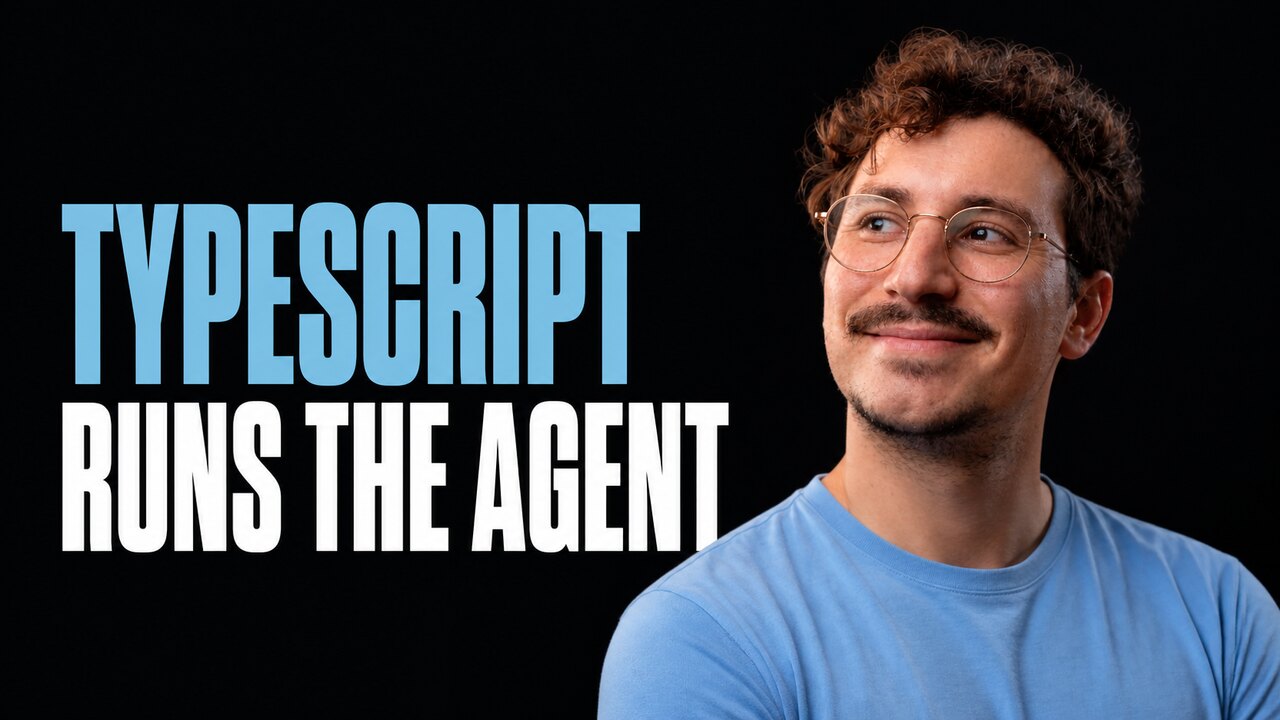
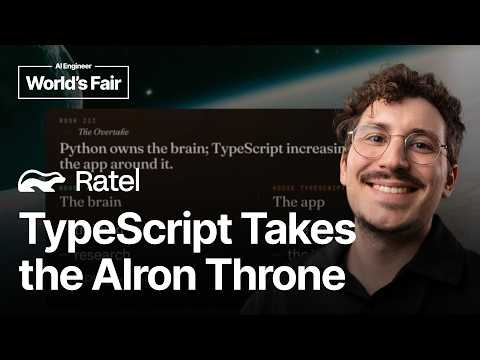
Roberto Stagi separates the AI stack into a model layer still dominated by Python and an application layer increasingly built with TypeScript. As AI moves from training models to shipping product features, agents must connect to interfaces, authentication, payments, infrastructure and other application services.
TypeScript lets teams implement the agent loop, tools, backend and frontend in one language. Shared schemas such as Zod can keep model outputs and user interfaces aligned without maintaining a separate contract between a Python service and a JavaScript application.
Stagi also points to coding agents, npm's package ecosystem and rapid growth in TypeScript AI libraries as reinforcing factors. His recommendation is to keep Python for model research and serving where it excels, while considering TypeScript for the software that calls models and delivers agent behavior to users.
 Watch on YouTube