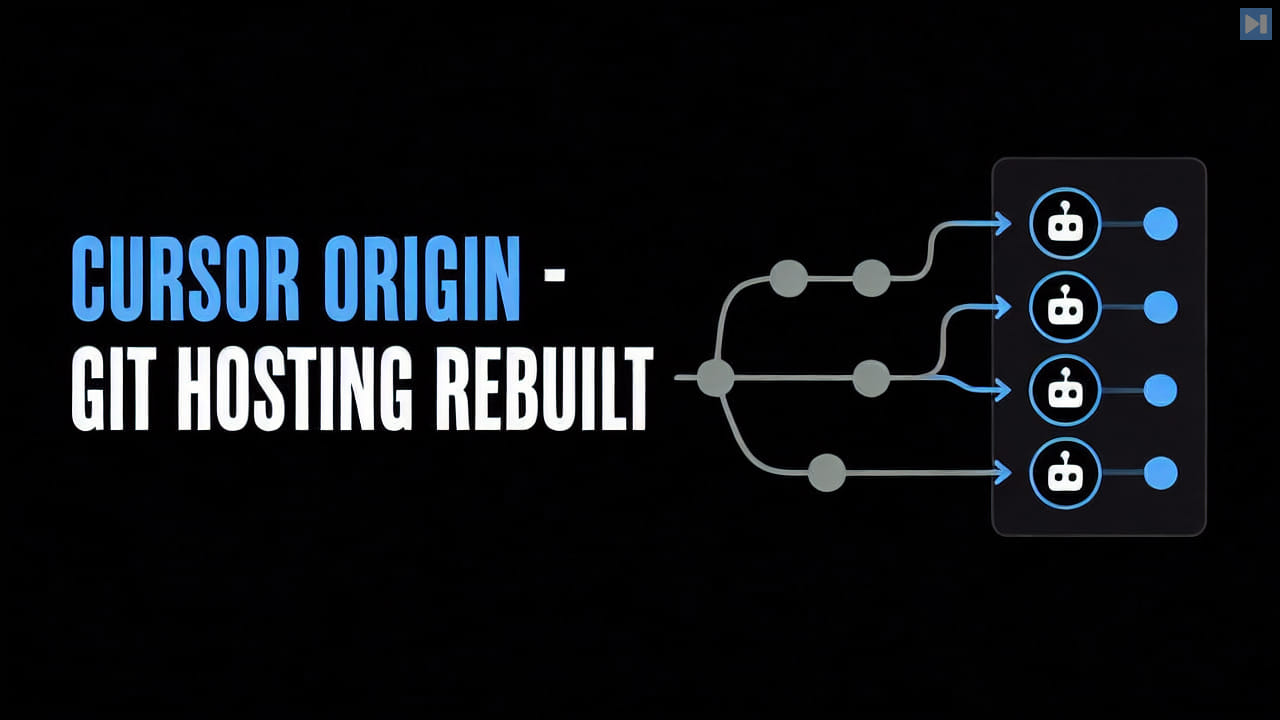
An orchestration layer can start agents, assign work, wait for a defined status and collect results. Structured commands are more reliable than simulating keystrokes because the system can identify targets and validate lifecycle state.
Good orchestration limits concurrency, preserves session identity and exposes blocked or completed work for review. It should allow unsupported tools to continue with reduced capability rather than inventing status that the integration cannot verify.