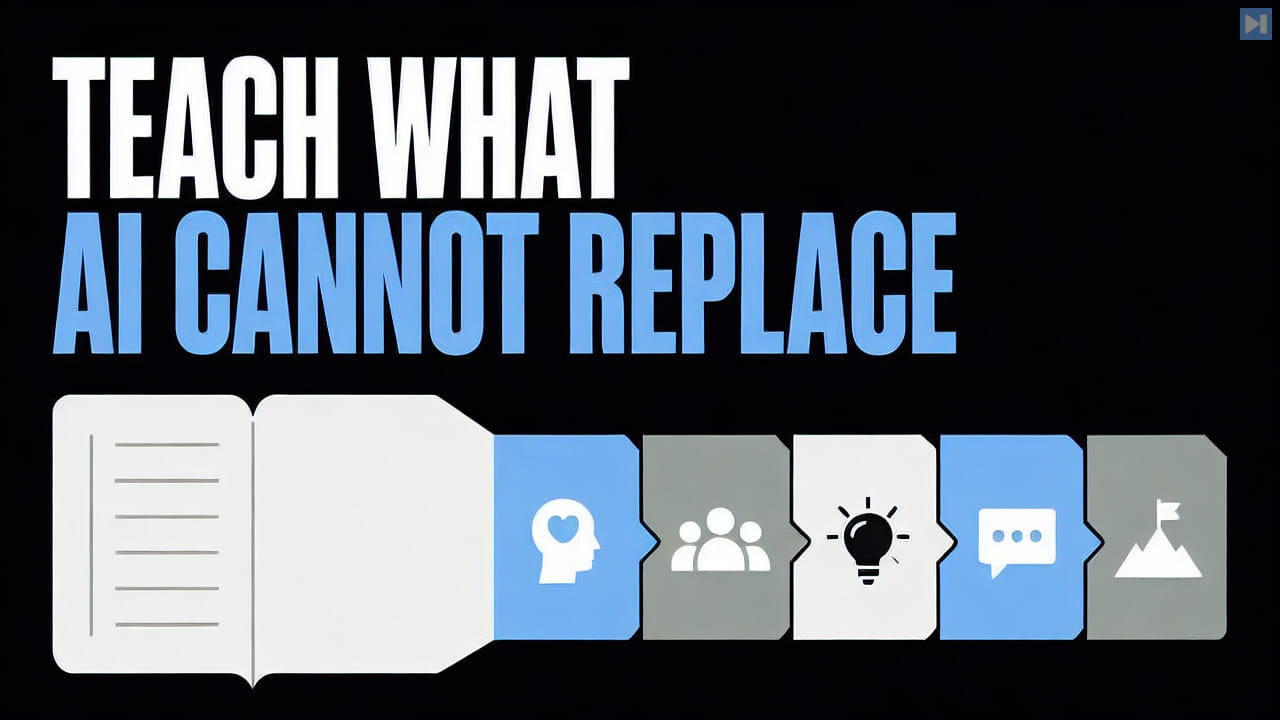
Sovorel begins with the gap between traditional measures of a good student and the reality of widely available generative AIGenerative AI creates new text, images, audio, video, code or other content from learned patterns and supplied context.. Remembering information, writing well, completing assignments and conducting manual research still matter, but they are no longer sufficient signals of readiness when models can assist with or complete much of that work.
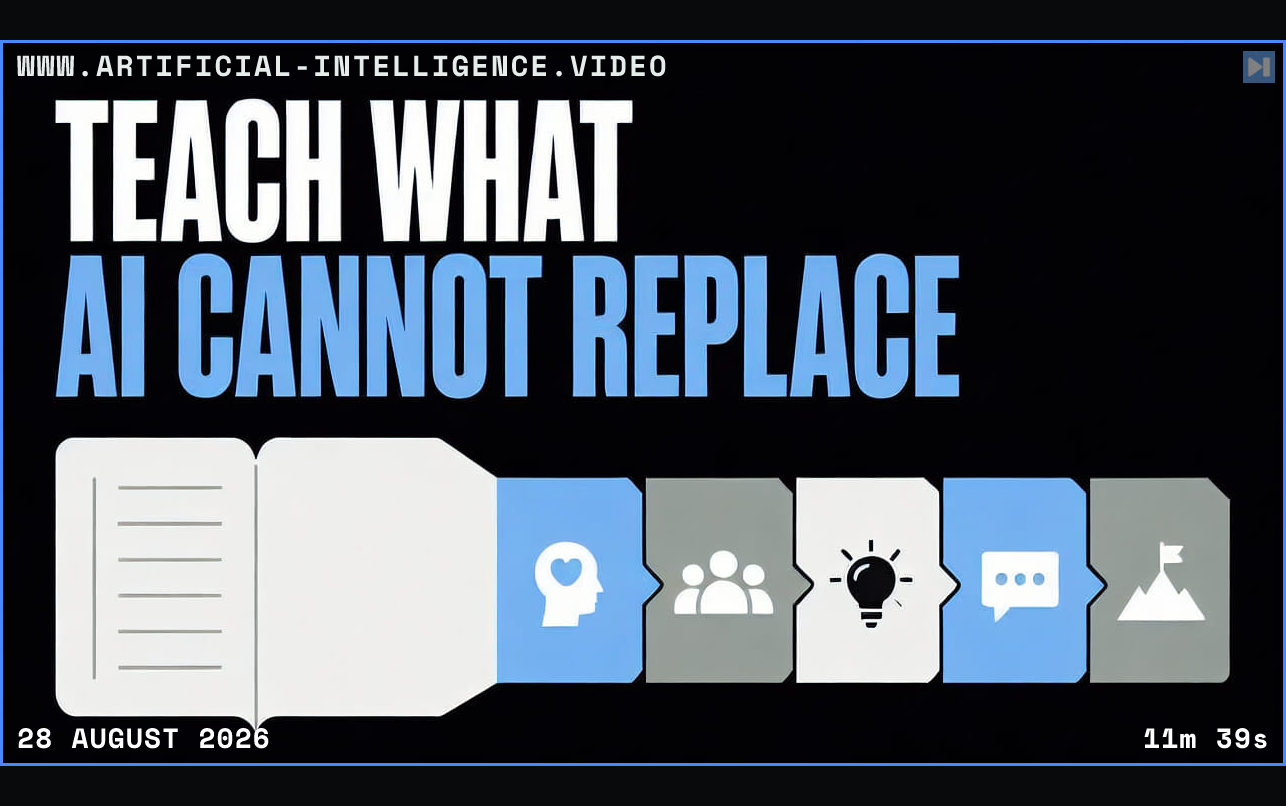
The proposed replacement is the SHAPE framework. Subject mastery lets students evaluate and extend AI outputAI model output is the text, image, audio, code, prediction or other result a model produces from its input and learned patterns., while human judgmentHuman judgment in AI is the accountable interpretation and decision-making people contribute when setting goals, evaluating evidence, and managing consequences. helps them decide when to use a model, which system fits the task and whether its suggestions deserve trust.
AI fluencyAI fluency is the practical ability to select, direct, evaluate and combine AI tools effectively within a specific role or domain. combines general literacy about how AI works with role-specific practical skills. Problem-solving and creation then move students from reproducing answers toward framing problems, sequencing decisions, generating alternatives and using AI as a collaboratorHuman-AI collaboration combines human judgment and accountability with AI speed, generation, analysis, and tool use in a shared workflow. without surrendering their own creativity.
The final element combines engagement and leadership. Students need communication, emotional intelligence and the ability to coordinate people and AI agents. Sovorel recommends more experiential learning so they can practise applying knowledge, leading teams and making decisions in realistic situations rather than being assessed mainly through assignments AI can already complete.
 Watch on YouTube