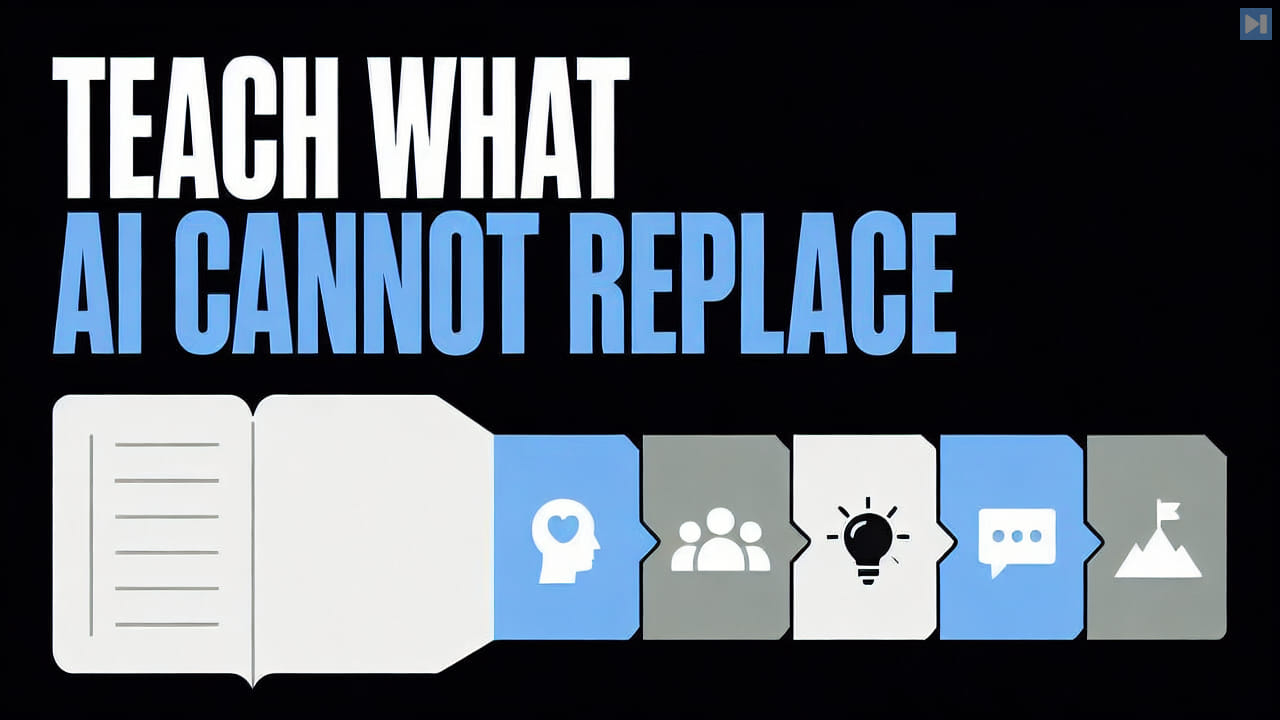
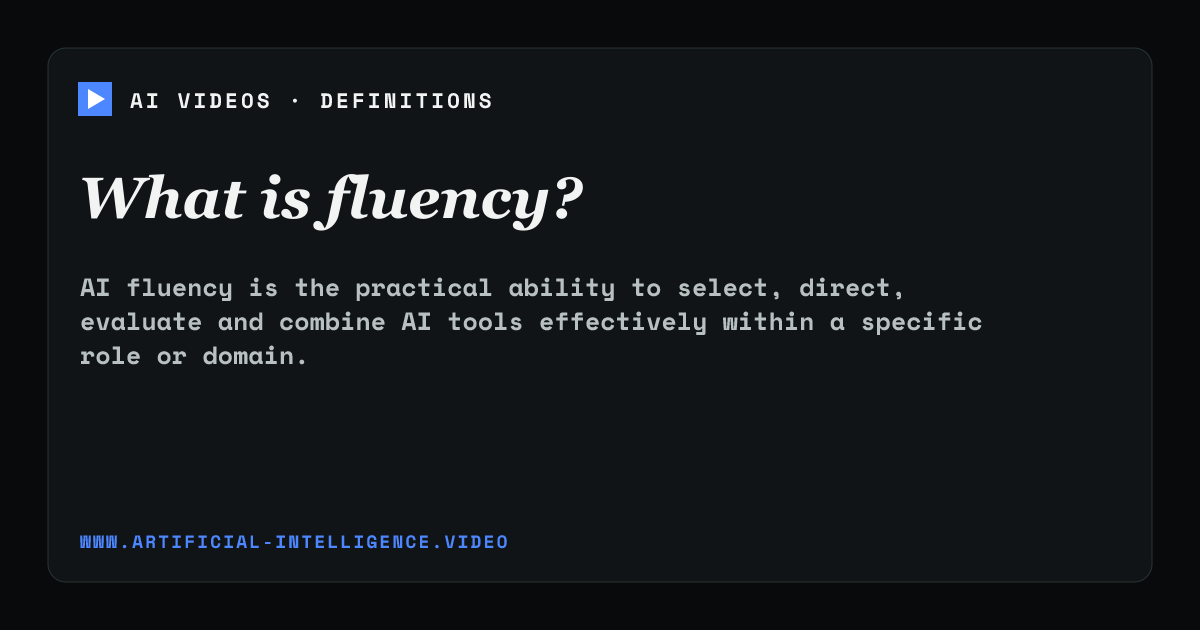
AI fluency builds on literacy by adding practiced skill. A fluent user can frame a task, choose a suitable system, provide useful context, evaluate the output and integrate the result into a real workflow without surrendering responsibility.
Fluency is role-specific as well as general. A teacher, engineer and researcher need different tools, evidence standards and safeguards. Because systems change quickly, durable fluency emphasizes problem-solving and judgment rather than memorizing one interface.
ELI5
AI fluency is the practiced ability to choose, direct and evaluate AI tools effectively in real work. It includes giving useful context, checking results and fitting the tool into a workflow while keeping human responsibility.
For example, an AI-fluent teacher and engineer may use different tools and evidence standards even though both understand the basic technology. Durable fluency focuses on judgment and problem solving because particular products and interfaces change quickly.
How is AI fluency different from literacy?
Literacy provides foundational understanding and critical awareness, while fluency adds repeated practical skill in applying AI to real tasks.
How can students develop AI fluency?
They can practise on authentic problems, compare tools, inspect failures, verify output and explain why a particular workflow or model is appropriate.