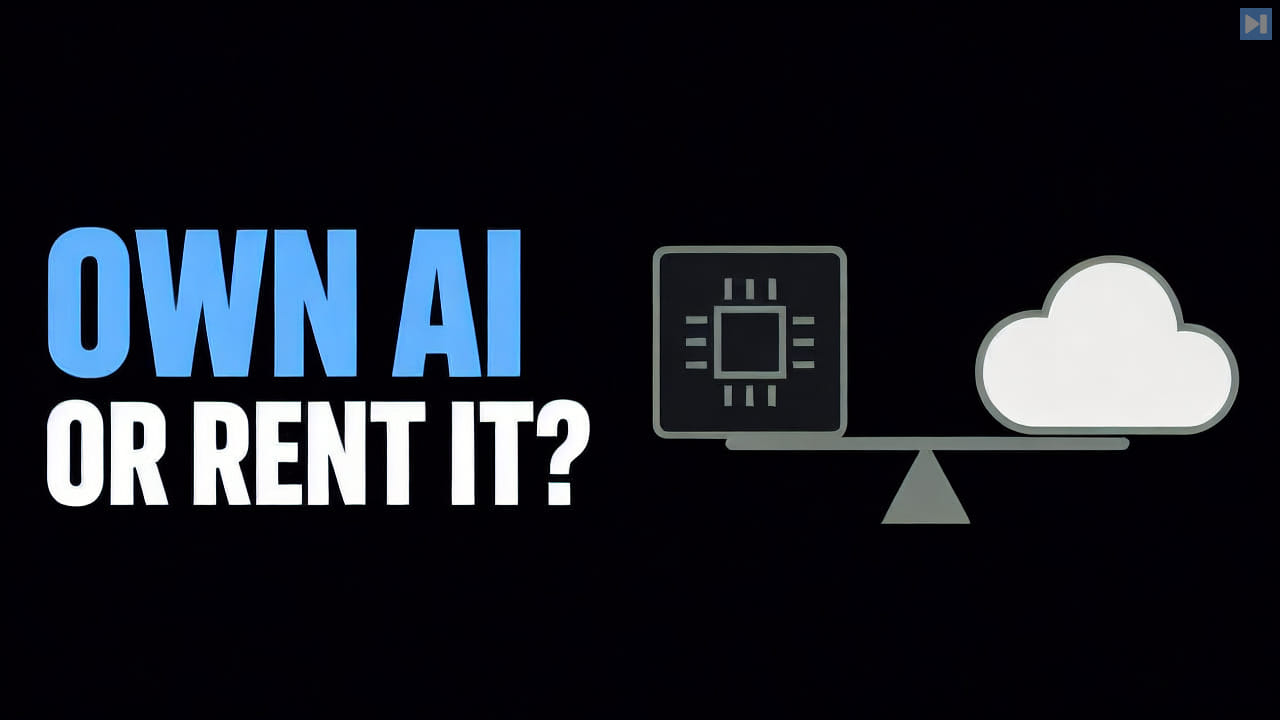
Local execution can reduce network delay, keep sensitive input on the device and allow some features to work without internet access. The application uses the device's processor, graphics hardware or dedicated accelerator to run the model.
Device limits still matter. Available memory, power, heat and model size affect speed and accuracy, so developers must choose a model and runtime that fit the intended hardware.
ELI5
On-device inference means the AI model runs on the phone, laptop, or other device in front of you, rather than sending every request to a remote data center. This can make some features faster, work without a steady internet connection, and keep selected information on the device.
For example, a phone could sort photos or suggest text locally while it is in airplane mode. The tradeoff is that a small device has limited memory, processing power, and battery life, so the model may need to be compressed or made less demanding.
What are the benefits of on-device inference?
It can improve privacy, reduce network delay, lower service dependence and support offline use.
What limits on-device inference?
Device memory, compute speed, heat, battery use, model size and runtime compatibility can limit it.