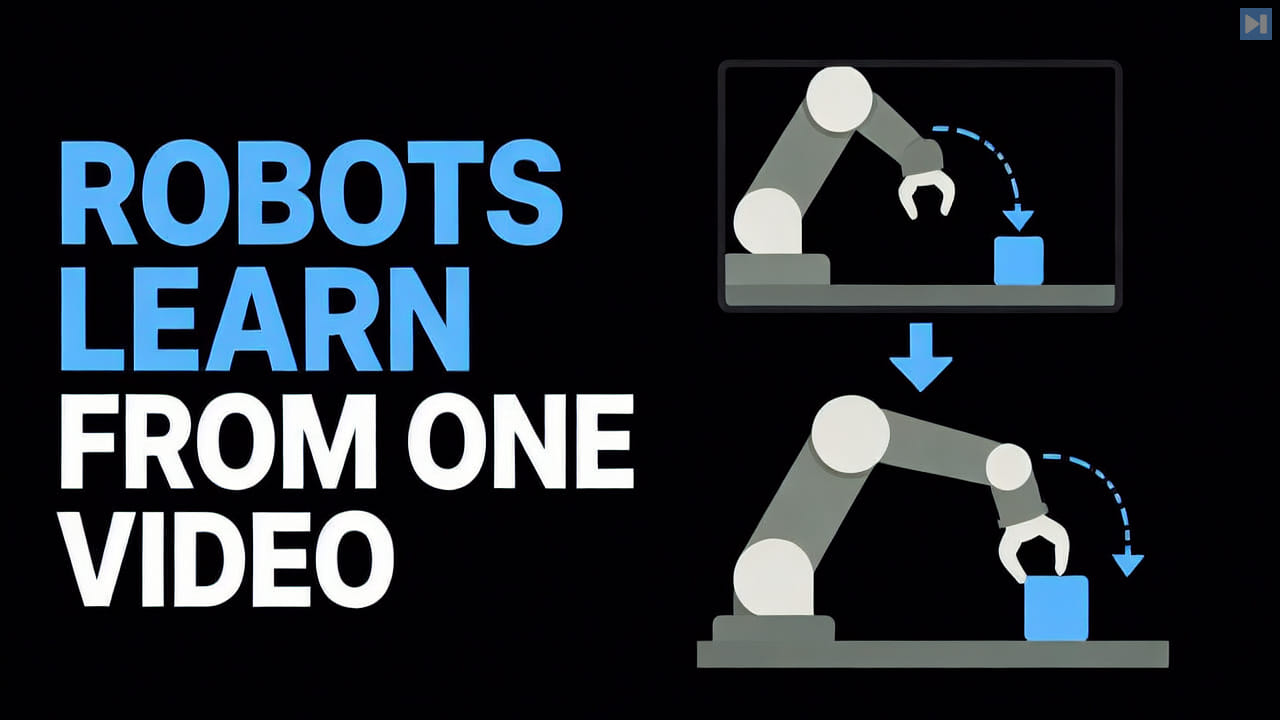
Task generalization goes beyond reproducing training examples. A model must identify the structure that matters and adapt its behavior when objects, initial states, wording, tools, or environmental details change.
Evaluation uses held-out tasks and controlled variations to measure this ability. Strong results on one test set still need broader validation because real deployments can introduce conditions absent from the original evaluation.
ELI5
Task generalization is an AI model's ability to use a learned skill on examples and conditions it did not see during training. It must recognize the important structure rather than memorize familiar wording or objects.
For example, a robot trained to place red cups should still understand the task when the cup is blue or starts in a new location. Held-out tests and controlled variations show how well the skill transfers.
How is task generalization tested?
Evaluators use unseen tasks, changed objects, altered conditions, and new combinations that were withheld from training or demonstrations.
Why is task intent important for generalization?
Understanding intent helps a model adapt the goal to new conditions instead of copying superficial details from an example.