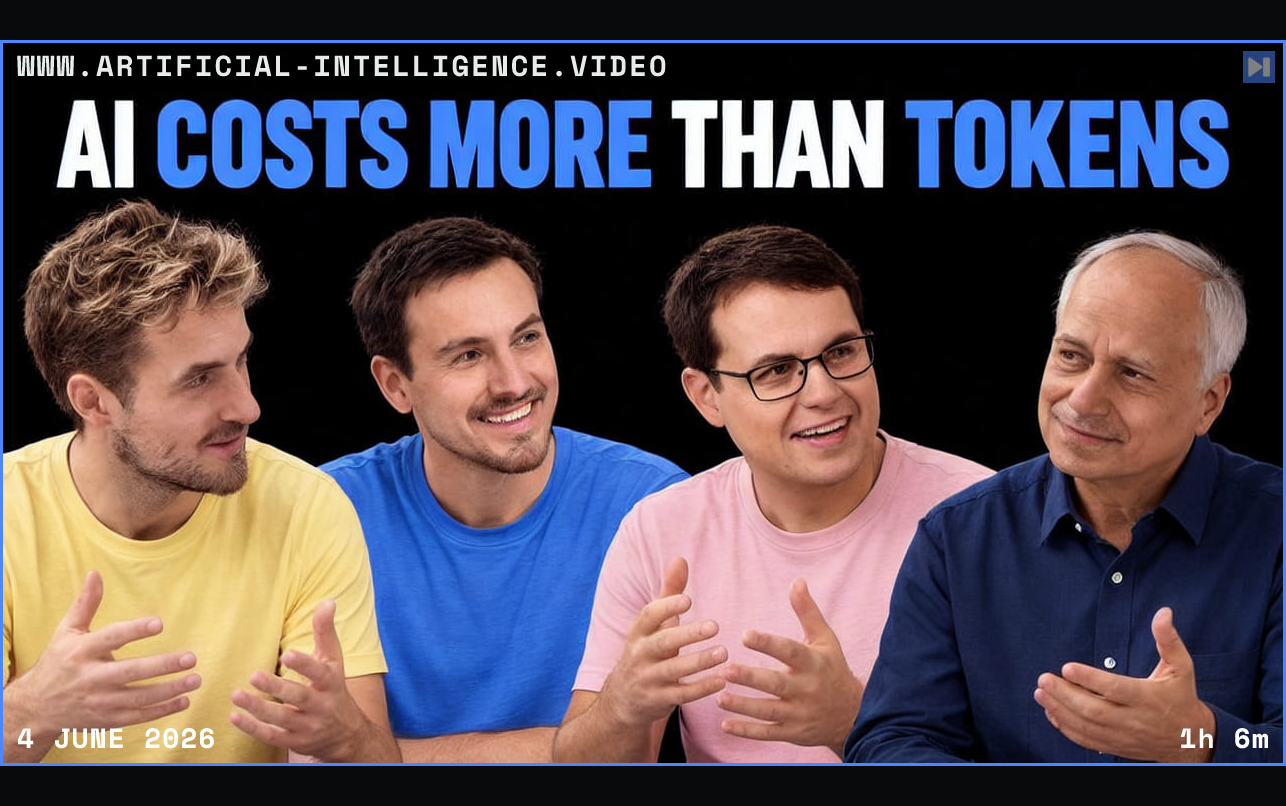
Pierce Freeman and Richard Diehl Martinez explain why input processing and sequential output generation have different costs. They argue that headline per-token prices are an incomplete comparison: tokenization, output length, latency and task quality all affect what a finished workload costs. Their practical suggestion is to test representative traces across models before replacing a more capable system with a cheaper one.
The enterprise discussion asks what organizations should count as productivity. The hosts reject raw lines of generated code as a useful goal and point to review, maintenance and deployed outcomes as remaining bottlenecks. They also consider how moving automated workflows from subscription allowances to usage-based billing could change costs. The announced Claude billing change discussed here was subsequently paused, so it is not a reliable description of current plan rules.
They then question how reported growth and operating profit should be interpreted when infrastructure spending is changing. Their figures and proposed accounting explanation are not independently established financial results. In particular, the episode's contrast between American cash-based accounting and a supposed European 'non-GAAP' alternative is misleading and should not be treated as accounting guidance.
A pre-WWDC discussion explores how Apple could expose controlled application actions through App Intents while managing permissions and nested agent workflows. Typed outputs help applications handle tool requests, but do not by themselves establish that an action is correct or authorized. Predictions about Apple's commercial strategy and future announcements remain the hosts' interpretation.
The closing section examines Pope Leo XIV's AI encyclical and Chris Olah's participation in its presentation. It connects human dignity, labor, responsible decisions and wider access to AI's benefits with the need for voices outside technology companies. The hosts' speculation about invitations, consciousness and institutional influence is not proof of papal endorsement of a particular lab.
 Watch on YouTube