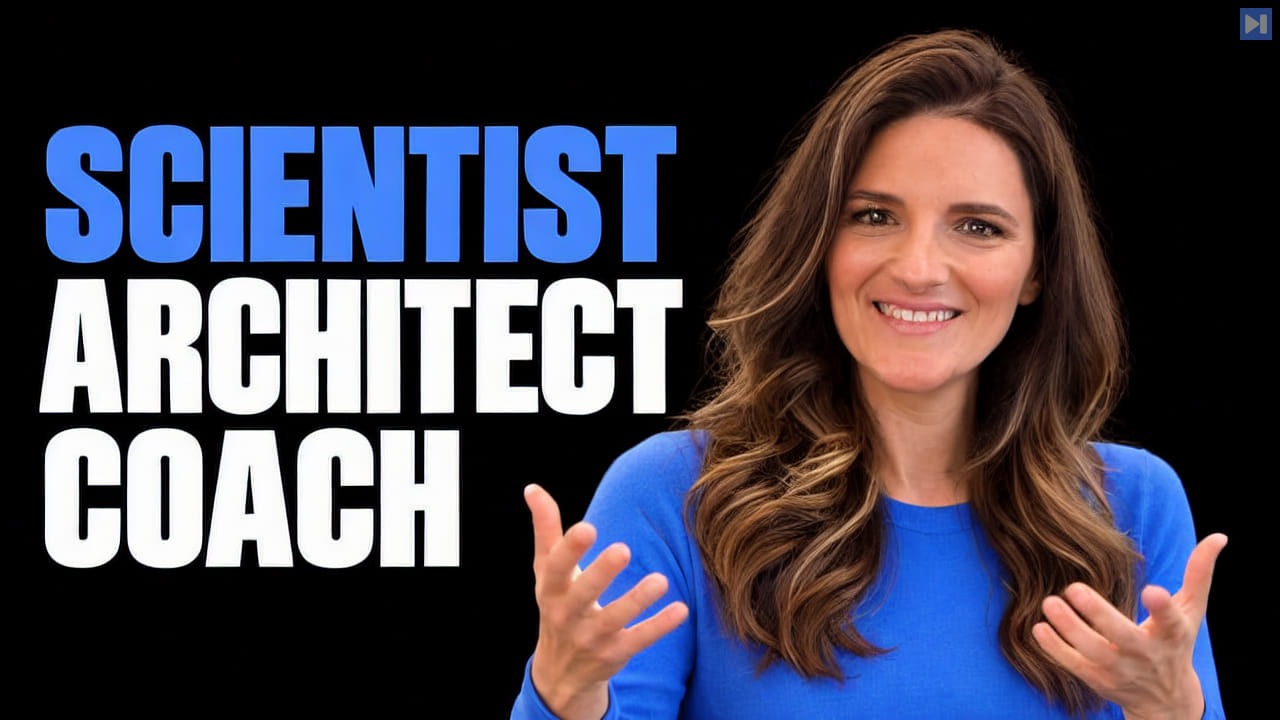
Rania Khalaf explains why the chief AI officer title can describe very different jobs. She organizes the role around scientific experimentation, architectural and product strategy, and coaching employees or customers. The appropriate balance depends on whether a company sells software, its level of AI maturity and the capabilities of the person appointed.
Rania Khalaf contrasts her experience in research, agricultural biotechnology and WSO2 to show how the mandate changes. In one example, a simple computer-vision technique solved a measurement problem without requiring machine learning; elsewhere, new algorithms or a broader platform strategy were appropriate. The lesson is to choose methods and responsibilities around the actual business needHuman judgment in AI is the accountable interpretation and decision-making people contribute when setting goals, evaluating evidence, and managing consequences..
Rania Khalaf recommends measuring workforce fluency, depth of adoption, product accessibility to agents, customer useEvaluation is the systematic assessment of a system's behaviour or results against explicit criteria. and ecosystem participation rather than treating token consumption as success. She also emphasizes strong executive relationships, feedback loopsAn AI feedback loop occurs when AI outputs or their consequences become inputs that influence later model or agent behavior. and a role design that matches the leader's interests and the organization's needs.
 Watch on YouTube