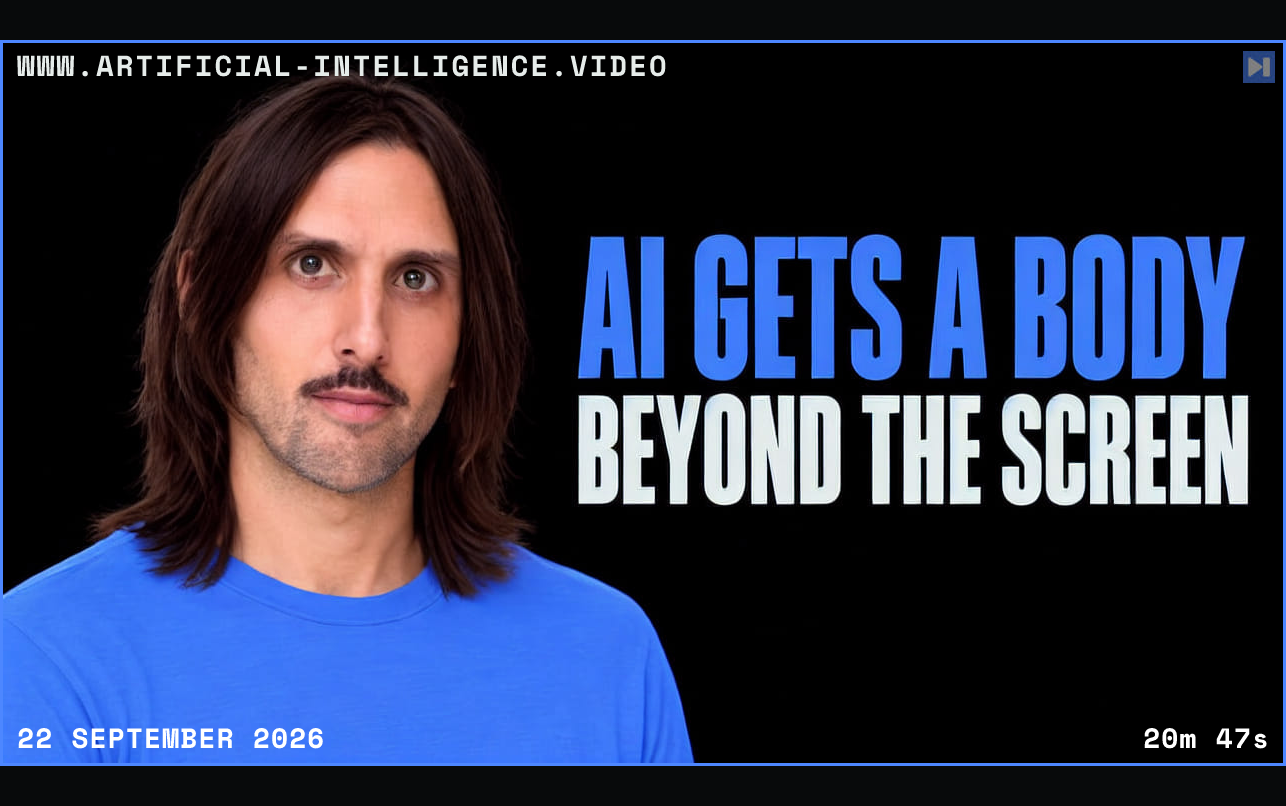
Cyrus Clarke describes connecting an AI agent to a shape display and studying embodied interactionEmbodied AI perceives and acts through a physical or simulated body while interacting with an environment. rather than task execution alone. Early movements, letters and breathing-like patterns attracted strong public reactions, but he presents the device as a constrained physical interface, not evidence that a model is alive.
Cyrus Clarke develops a gesture-generation loop to address slow responses and limited memoryAI agent memory is stored information that an agent can retrieve and use across steps, sessions, or changing contexts.. Candidate expressions pass validation gates, receive agent scores and undergo human reviewHuman-in-the-loop AI keeps a person involved in reviewing, correcting, approving, or guiding an AI system's work. before entering a reusable vocabulary. He reports that familiar gestures can respond faster than generated language and make interaction feel richer.
Cyrus Clarke relates the experiment to sensory interfaces, non-humanoid design and the ethical questions raised by technological systems. His perspective combines design practice, philosophy and early user observations; the talk does not establish general intelligence, consciousness or broadly validated psychological effects.
 Watch on YouTube