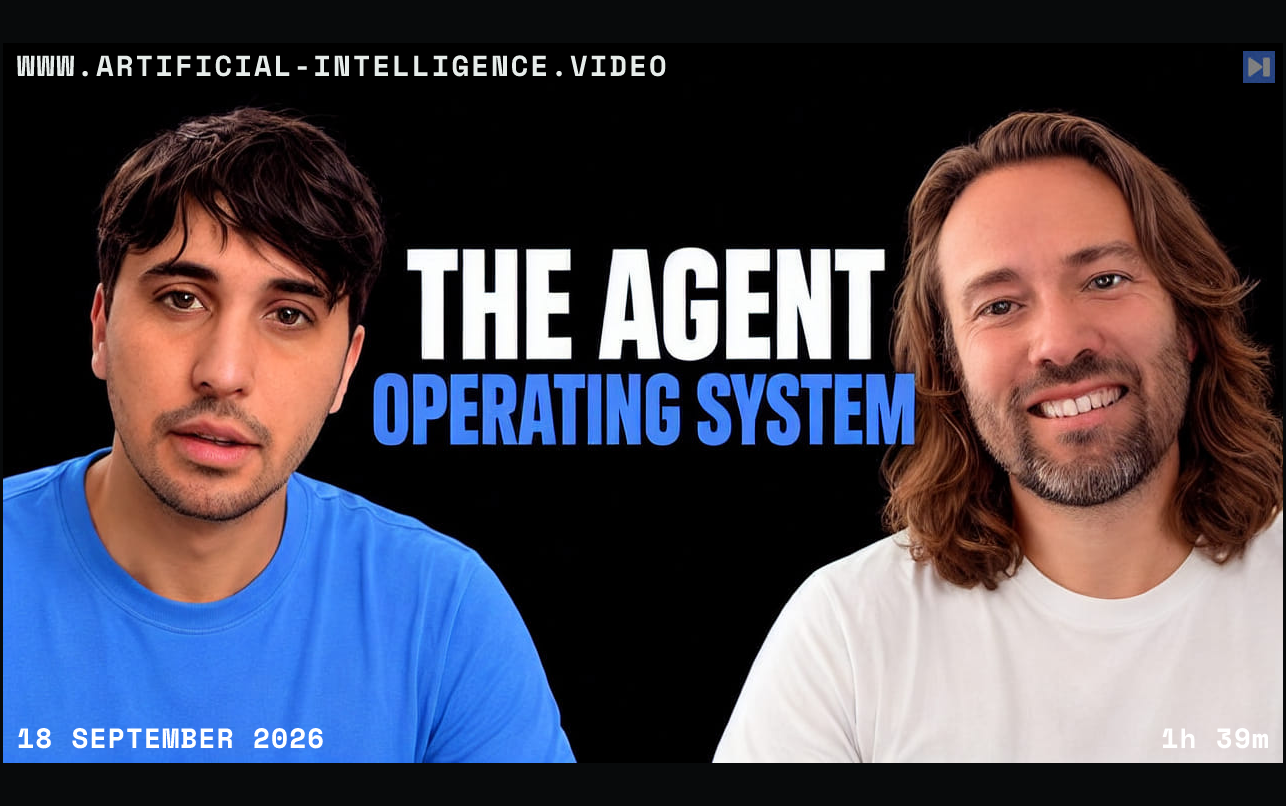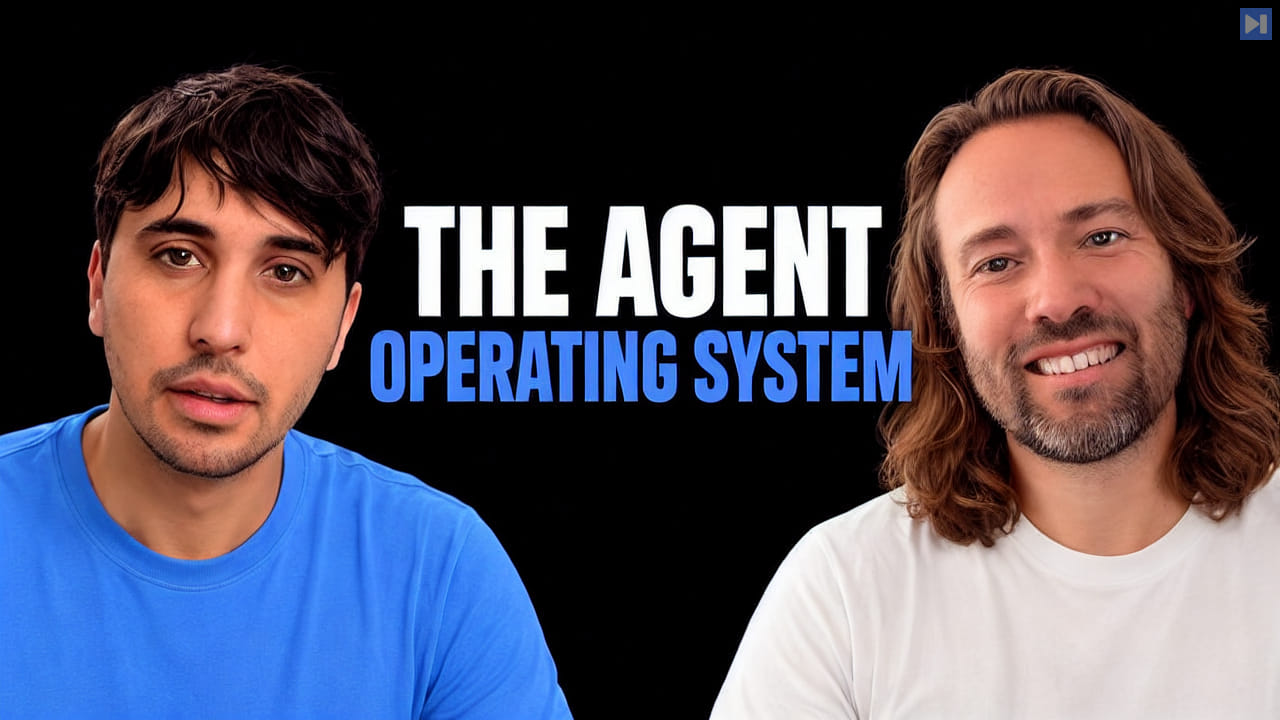
David Heinemeier Hansson describes a shift from intrusive autocomplete to task-oriented coding agents whose tools and feedback loops can produce usable software. In conversation with 0xSero, David Heinemeier Hansson recounts building small recording and presentation applications, illustrating increased ambition rather than a controlled productivity benchmark.
The discussion considers how small teams divide work when individuals can coordinate many agentsAgent orchestration coordinates AI agents, tools, people, tasks, state, and control flow so a larger workflow reaches a verified outcome.. David Heinemeier Hansson argues for reducing coordination bottlenecks, while both speakers discuss test-driven feedback and the continuing importance of design, integration and judgmentHuman judgment in AI is the accountable interpretation and decision-making people contribute when setting goals, evaluating evidence, and managing consequences.. The sweeping productivity and economic-growth estimates are opinions and anecdotes, not measured outcomes.
David Heinemeier Hansson distinguishes low-criticality personal tools from mature shared products. Examples from Basecamp include agents taking architectural shortcuts, making clear that enthusiasm about agents does not establish that unrestricted changes are appropriate in every system. Repeatable build commands, reference projects and tests help define the work being delegatedAI agent delegation assigns a bounded task, context, authority, and expected result from one participant to an agent or another agent..
The Omarchy discussion links a configurable Linux environment with agent-assisted troubleshooting and customization. David Heinemeier Hansson describes security staffing, disclosure processes and responding to criticism, but those descriptions are not an independent audit. Broader comments about regulation, funding and technological abundance remain the speakers' political and economic views.
The closing conversation returns to local inference and sovereignty. David Heinemeier Hansson and 0xSero want useful models on hardware they controlA local model runs on computing infrastructure controlled directly by the user rather than only through a remote model service. while continuing to use hosted frontier models where those work better. The distinction is between having additional options and claiming local systems have already replaced every frontier capability.
 Watch on YouTube