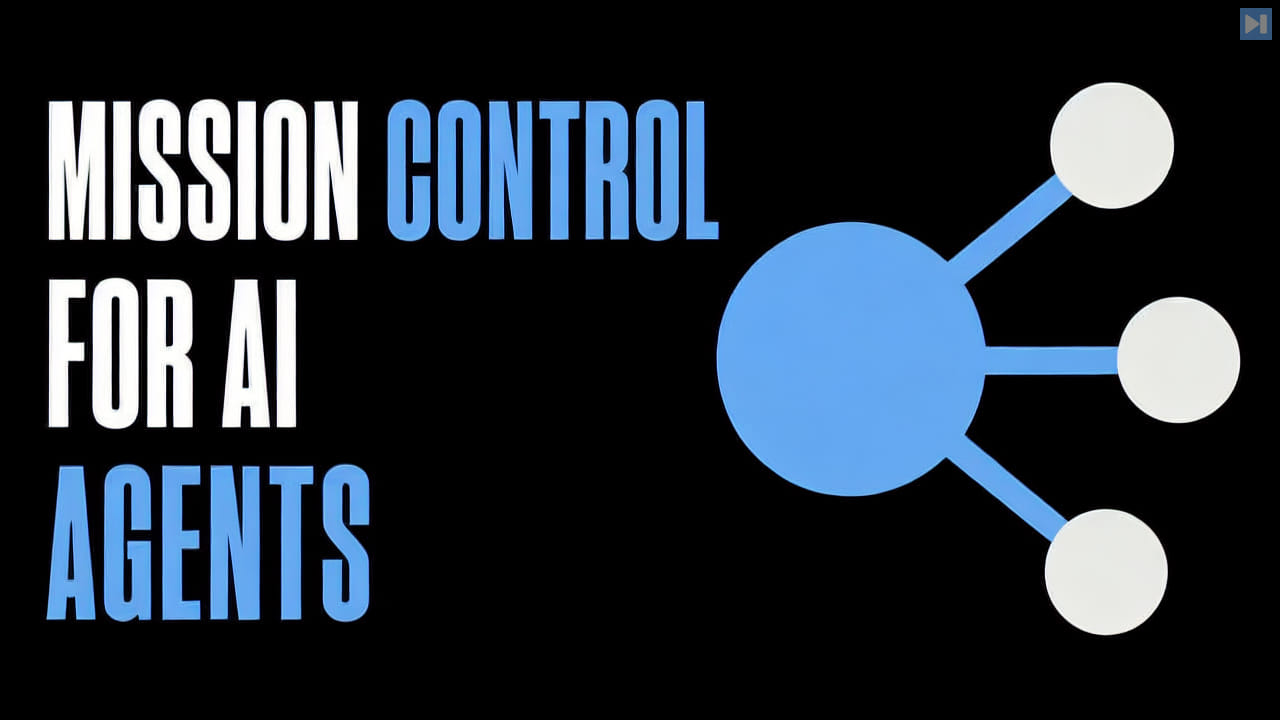
Agent orchestration determines which participant should act, what context and tools it receives, how outputs become inputs, and when work should branch, wait, retry, escalate, or stop. It can coordinate one persistent agent across a team or several specialized agents.
Good orchestration makes ownership, permissions, failure handling, and final verification explicit. Poor orchestration can create duplicated work, conflicting actions, excessive messages, context leakage, loops, and coordination overhead that outweigh the automation benefit.
ELI5
Agent orchestration organizes how AI agents, models, and tools work together. It decides who receives each part of a task, what must happen first, how results move between steps, and when a person needs to intervene.
For example, a software issue might go first to a research agent, then to an implementation agent, and finally to a review agent. The orchestrator keeps the shared goal and status visible so the agents do not work from conflicting assumptions.
What does agent orchestration manage?
It manages task routing, context, tools, permissions, state, sequencing, concurrency, retries, handoffs, approvals, failures, monitoring, and final verification.
Can orchestration coordinate people as well as agents?
Yes. It can include human review, approval, exception handling, decisions, and handoffs alongside agent and tool actions.