Nufar Gaspar explains that tokensA token is a unit of encoded input or output that a model processes, such as a word, part of a word or a punctuation mark in text. are the chunks a model reads and writes, and that the same text can yield different token counts across tokenizers and languages. She contrasts inexpensive everyday prompts with research, coding and autonomous workflows that repeatedly carry context and can consume far more tokens.
Gaspar separates input, hidden reasoning and visible output tokens, then argues that a low advertised price per tokenToken pricing is the rate an AI provider charges for processing input tokens, generating output tokens, or reading cached tokens. does not guarantee a low total bill. She and host Nathaniel Whittemore recommend comparing models and tools by cost per accepted taskCost per completed task measures the total AI, tool, infrastructure, retry, and repair expense for each verified useful outcome., including retries, review, elapsed time and quality, instead of raw usage alone.
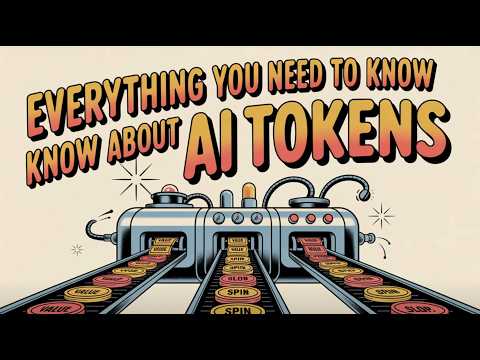
Gaspar groups spending into tokens that teach, produce or spin. She recommends preserving useful experiments and completed work while auditing idle agents, unused reports, long sessions and excess context. Practical checks include reviewing usage when no one is working, comparing input and output, setting alerts, starting fresh sessions for new tasks and choosing models for the workModel selection chooses the AI model whose capability, quality, cost, speed, safety, and operating constraints best fit a task.. The discussion closes with workload-specific budgets and regular reviews rather than blanket token minimizationAI token efficiency measures how effectively a model or workflow turns consumed input and output tokens into useful results..
 Watch on YouTube